Governor Gavin Newsom announced today the completion of over 180 new affordable homes in the Los Angeles area, a strategic initiative that underscores the state’s dual commitment to tackling the ongoing housing affordability crisis while advancing aggressive climate change targets. The development, which features units near key public transit corridors and local businesses, is funded in part by California’s Cap-and-Invest program. This project is a tangible piece of the Newsom administration’s broader strategy to decouple housing development from high-emission patterns by prioritizing “infill” growth—building where residents can rely on walking, biking, and public transportation rather than private vehicles.
Key Highlights
- Project Scope: Over 180 new affordable housing units delivered in the Los Angeles area, specifically targeting communities with immediate transit access.
- Funding Mechanism: Utilizing California Climate Investments (Cap-and-Invest) funds, linking public health and climate goals with housing development.
- Strategic Focus: Prioritizing “infill” development near transit and job centers to reduce transportation-related emissions and increase resident mobility.
- Statewide Milestone: The announcement coincides with a new progress milestone for 85 additional units in San Francisco, reflecting a statewide push for housing density.
The Nexus of Housing and Climate Policy
The integration of housing and climate policy has become a hallmark of the Newsom administration. Historically, California’s housing crisis and its climate targets were treated as separate legislative silos. By utilizing funds from the state’s Cap-and-Invest program—which collects revenue from polluters to reinvest in green infrastructure—the Governor is effectively turning climate mitigation into a direct housing solution. This specific development in Los Angeles is not merely about providing shelter; it is designed as a template for low-carbon living.
Why Infill Matters
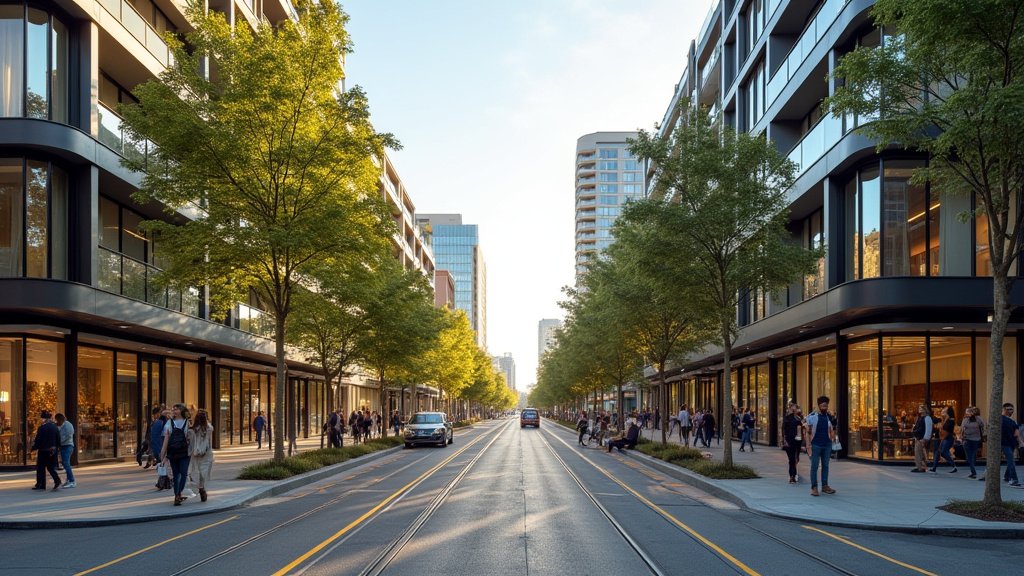
Urban planning experts have long argued that the most effective way to reduce a state’s carbon footprint is to ensure that residents live close to where they work and play. By placing 180+ units in walkable, transit-rich environments, the state is actively reducing the reliance on personal automobiles. This decreases traffic congestion and lowers local air pollution, directly benefiting the health of the neighborhood’s residents. This “infill” strategy—building within already developed areas rather than sprawling into wildland-urban interfaces—is critical for California’s long-term environmental sustainability.
The Cap-and-Invest Advantage
Traditional affordable housing funding has often been limited by the boom-and-bust cycles of local tax revenues or state budget surpluses. The Cap-and-Invest program provides a more consistent, albeit specifically earmarked, stream of revenue. It creates a circular economic model: industrial emissions that contribute to climate change are taxed, and that capital is then diverted to help low-income families secure housing that is energy-efficient and connected to the broader transit grid. It is an economic feedback loop designed to solve two massive, systemic issues simultaneously.
Challenges and the Path Forward
While the announcement of 180+ homes is a localized victory, it sits against the backdrop of a much larger, statewide deficit in housing units. The administration acknowledges that to meet California’s housing demand, production must scale significantly. Critics and housing advocates often point to the slow speed of bureaucratic approvals, environmental review hurdles, and local NIMBYism as the primary factors that artificially inflate construction costs and delay timelines.
The Role of Regulatory Streamlining
To accelerate the pace of such projects, the Newsom administration has focused on CEQA (California Environmental Quality Act) reform and streamlining the permitting process for developments that meet strict density and affordability standards. The successful delivery of these units in Los Angeles serves as a proof-of-concept for the efficacy of these new streamlining measures. When regulatory barriers are removed, projects that are otherwise viable can move from groundbreaking to occupancy at a pace that actually impacts the market.
Economic Impact on Local Communities
Beyond the environmental and housing benefits, these projects have a significant economic multiplier effect. The construction phase creates local jobs, and the long-term occupancy of these units supports local small businesses, grocery stores, and service providers. By ensuring that these homes are within walking distance of retail and service hubs, the state is effectively injecting new, consistent consumer demand into the local Los Angeles economy, stabilizing neighborhood commercial corridors that have struggled in recent years.
FAQ: People Also Ask
Q: How does the Cap-and-Invest funding work for housing?
A: California’s Cap-and-Invest program puts a price on greenhouse gas emissions. The revenue generated from these permits is deposited into the Greenhouse Gas Reduction Fund (GGRF). The state then appropriates this money to projects—like affordable housing near transit—that demonstrably reduce emissions by curbing sprawl and vehicle miles traveled.
Q: Are these homes permanently affordable?
A: Yes. Developments funded through these state programs are typically subject to long-term affordability covenants, usually lasting between 55 to 99 years, ensuring that the units remain priced for low-income households regardless of market fluctuations.
Q: How does this project differ from typical affordable housing developments?
A: The primary difference is the focus on “location efficiency.” Unlike suburban affordable housing projects that might require residents to own a car, these units are specifically sited in dense urban areas with robust public transit infrastructure, thereby lowering the total cost of living for residents by reducing transportation expenses.
Q: Is the state planning more of these projects?
A: Yes. The Governor’s office has signaled that this is part of a multi-year pipeline. The administration continues to advocate for higher density and the prioritization of affordable units in the state’s ongoing housing element planning process for all municipalities.