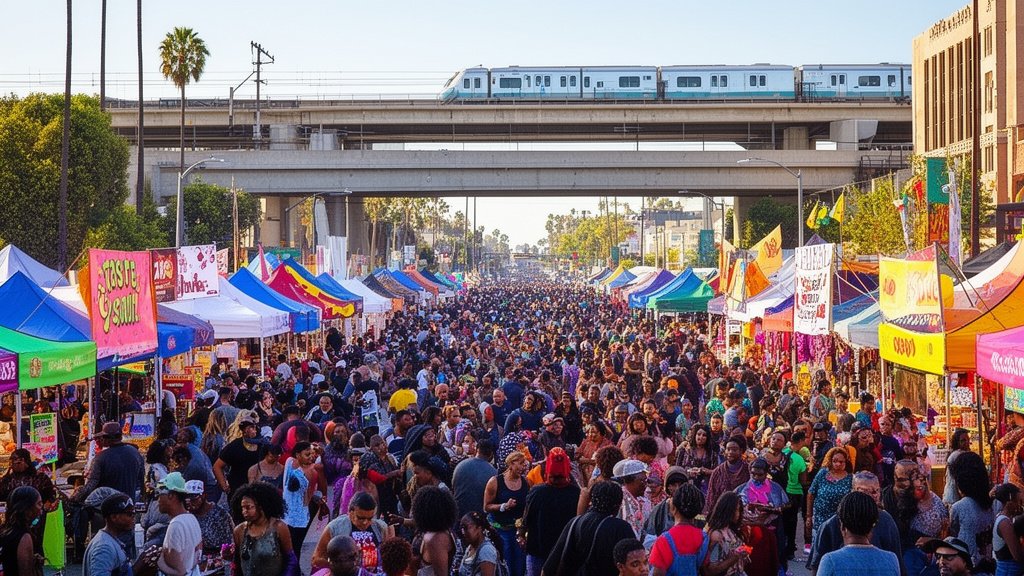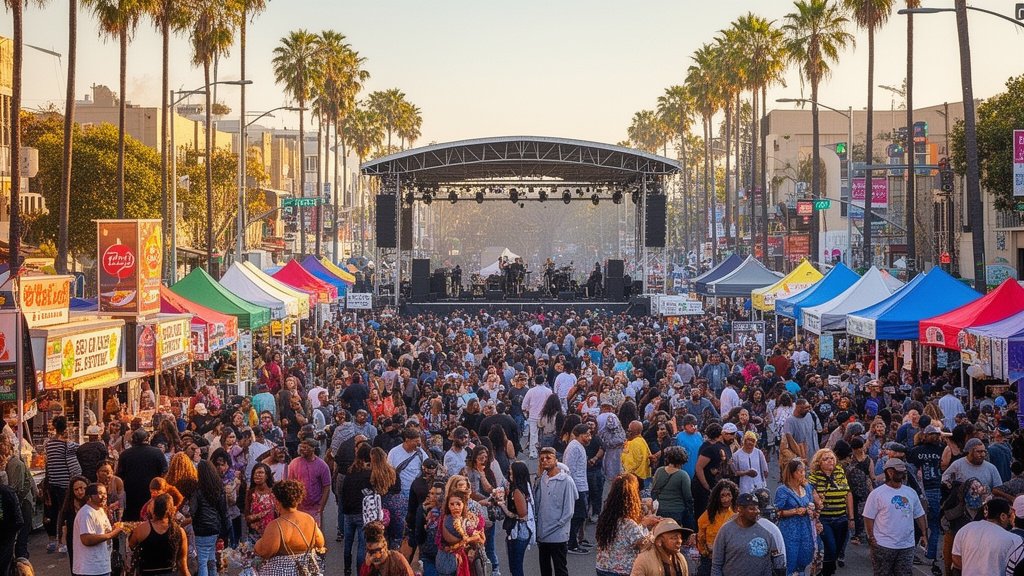
On October 17, 2026, the 21st annual Taste of Soul Family Festival returned to the historic Crenshaw Boulevard, cementing its status as Los Angeles’ premier community gathering. The event, which has grown significantly over two decades, once again served as a powerful economic engine and cultural touchstone, drawing massive crowds to experience a curated blend of culinary excellence, live entertainment, and robust support for local small businesses.
Key Highlights
- Milestone Anniversary: 2026 marked the 21st consecutive year of the Taste of Soul, reflecting two decades of resilience and cultural growth.
- Prime Location: The festival transformed the arterial Crenshaw Boulevard into a pedestrian-friendly celebration space, emphasizing the neighborhood’s historic identity.
- Economic Catalyst: Hundreds of local vendors, ranging from culinary artisans to minority-owned small businesses, utilized the platform to engage directly with the public.
- Community-First Programming: The event focused on showcasing local musical talent and family-oriented programming, reinforcing the Brotherhood Crusade’s original vision.
The Resilient Legacy of Crenshaw Boulevard
The 21st annual Taste of Soul Family Festival was more than just a gathering; it was a testament to the enduring significance of Crenshaw Boulevard in the cultural landscape of Los Angeles. As the festival has evolved from its humble beginnings to becoming a sprawling, multi-block experience, it has consistently maintained its commitment to uplifting the community that lines the iconic corridor. For the 2026 iteration, the organizers leaned into this legacy, ensuring that the geography of the festival was not merely a backdrop, but an active participant in the narrative of the day.
Historically, the festival has navigated various shifts in the city’s economic and social environment. By remaining rooted on Crenshaw, the event organizers have created a permanent mental map for Angelenos, associating the boulevard with celebration, unity, and economic vitality. The 2026 festival demonstrated that this intentional placement remains the event’s greatest strength, allowing the community to reclaim public space in a way that is both festive and deeply meaningful.
Economic Impact and Small Business Empowerment
Central to the success of the 2026 festival was the dedicated focus on local business support. Unlike commercialized festivals that rely on corporate sponsors for every interaction, Taste of Soul has historically prioritized the micro-economies of South Los Angeles. This year, the vendor stalls—spanning blocks of the boulevard—served as incubators for businesses that often lack the footprint of larger, mainstream commercial enterprises.
Analysts have noted that for many participating vendors, the revenue generated during the single day of the festival can account for a significant percentage of their annual profit. By providing a platform where these businesses can interact with thousands of attendees, the festival acts as an essential catalyst for local entrepreneurship. The 2026 Guide emphasized a diverse range of services, including apparel, professional services, and the quintessential food offerings that have made the event famous. This economic model creates a ‘virtuous cycle’: revenue earned by the vendors is reinvested into the community, keeping the neighborhood’s fiscal health vibrant throughout the remainder of the year.
Culinary Arts and the Cultural Tapestry
The ‘Taste’ in Taste of Soul is not merely a brand name; it is a serious exploration of the culinary diversity found within Los Angeles. The 2026 festival featured an expansive array of soul food, Caribbean flavors, and fusion cuisines that reflect the changing demographic and cultural shifts of the city. Attendees were treated to a sensory experience that served as a microcosm of the city’s broader food culture.
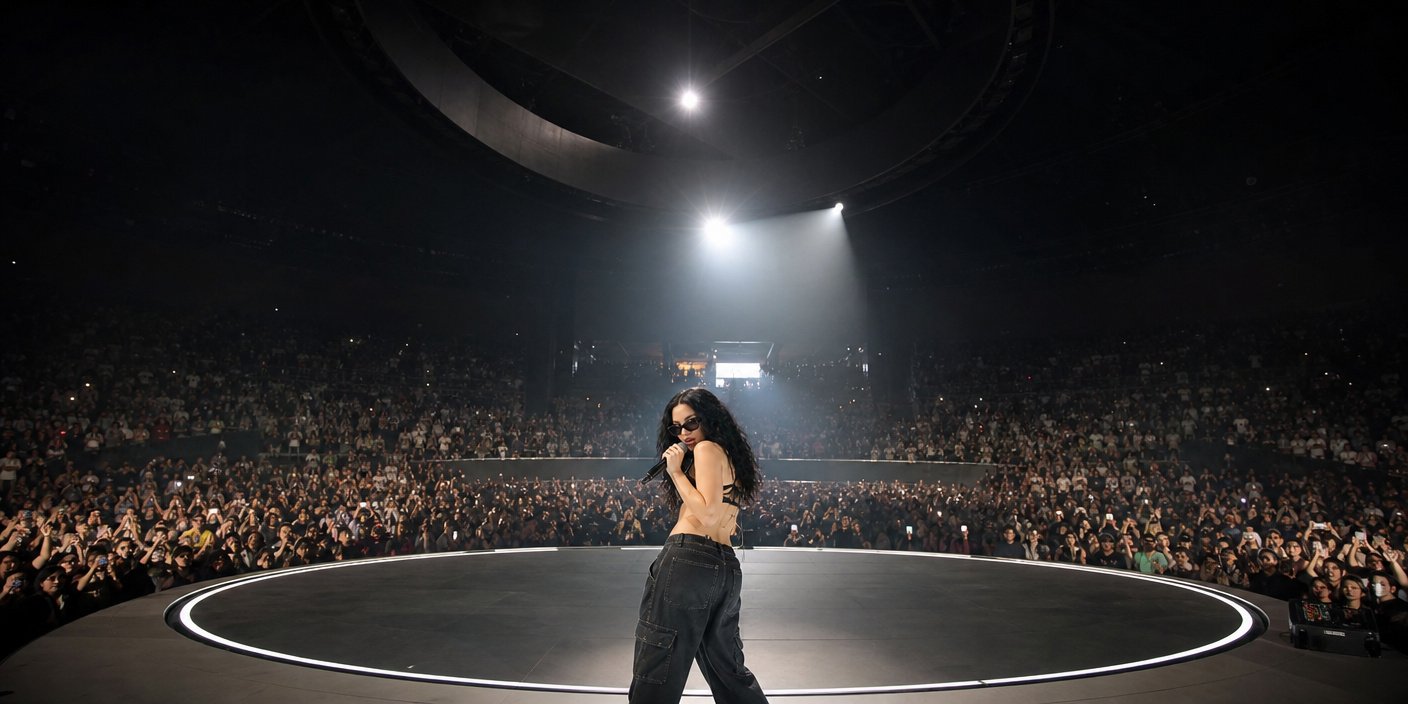
Beyond the food, the musical programming provided the heartbeat of the event. With multiple stages positioned strategically throughout the festival grounds, the soundscape moved seamlessly from classic R&B and gospel to contemporary hip-hop and spoken word performances. This multi-generational approach to entertainment ensured that the festival remained relevant to younger demographics while honoring the elders who have supported the event since its inception in the early 2000s. The curated performance schedule was designed to mirror the diversity of the attendees, creating a shared experience that transcends traditional demographic boundaries.
Looking Toward the Future of Local Festivals
The success of the 2026 festival invites a critical look at the future of large-scale, community-led events. As cities become increasingly digitized, the value of physical, high-touch events like Taste of Soul continues to rise. The 21st annual celebration has set a benchmark for how festivals can remain authentic in an era of mass commercialization.
Looking ahead, stakeholders are already discussing how to leverage the technological infrastructure deployed during the 2026 event to enhance the user experience for 2027. Potential advancements include digitized vendor mapping for easier navigation and enhanced mobile-first engagement for community organizations. However, the core of the event—the face-to-face interaction and the celebration of Crenshaw’s unique spirit—remains non-negotiable. As long as the festival continues to prioritize this human connection, it will remain the gold standard for neighborhood-centric events in Southern California.
FAQ: People Also Ask
1. Why is the Taste of Soul held on Crenshaw Boulevard?
Crenshaw Boulevard is historically significant to the African American community in Los Angeles. Hosting the festival there serves to reclaim public space and highlight the economic and cultural contributions of the area.
2. How has the festival changed over its 21-year history?
While the core mission of community support and local entrepreneurship remains the same, the festival has grown from a local gathering into a massive, multi-city-block event with a significant regional influence, enhanced vendor participation, and more sophisticated staging.
3. Who organizes the Taste of Soul?
Taste of Soul is famously championed by the Brotherhood Crusade, a non-profit organization dedicated to improving the quality of life for the residents of Los Angeles through various community-based programs.
4. Is the festival free to attend?
Yes, traditionally, the Taste of Soul Family Festival is free and open to the public, focusing on accessibility and community participation rather than an exclusive, ticketed model.