Record Heat Descends on Southern California and Southwest
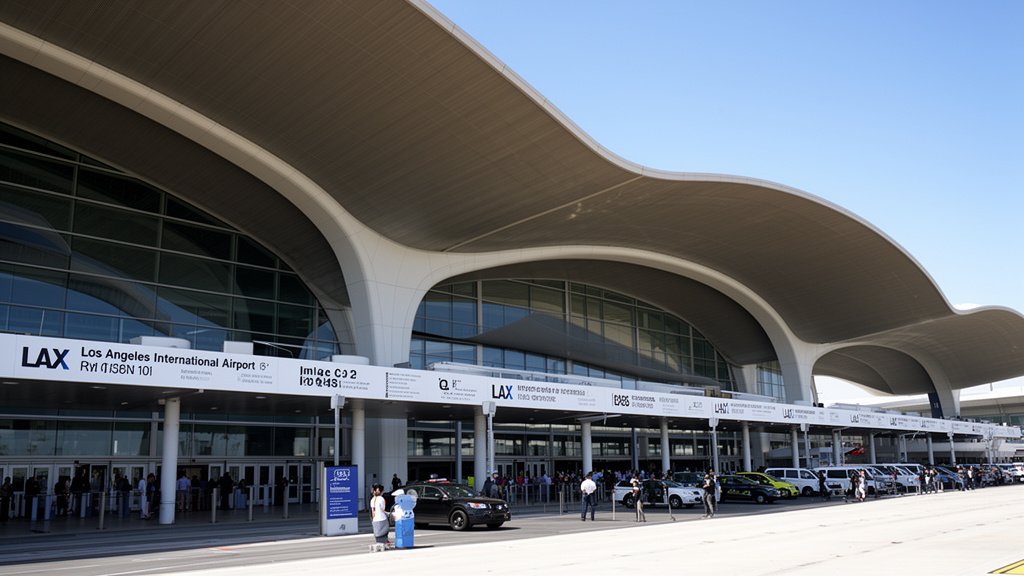
Temperatures are on the rise across Los Angeles and substantial portions of the southwestern United States, with extreme heat already impacting Southern California and Arizona. The National Weather Service has issued a heat advisory set to take effect on Thursday for areas including Los Angeles and Burbank. In downtown Los Angeles, temperatures are forecast to peak around 87°F on Thursday, with Burbank potentially reaching 92°F. Desert areas like Palm Springs and Phoenix could see readings climb as high as 116°F (47°C) through Thursday.
Broader Heat Wave Impacts US West and South
This burgeoning heat wave is poised to affect the U.S. West and South more broadly. Forecasts indicate temperatures running 3°F to 5°F above normal across the Rocky Mountains through Saturday. Looking further ahead, the U.S. Climate Prediction Center has forecast a moderate risk of extreme heat from Southern California to Florida, extending from July 14 to July 20. Many areas in the western and southern U.S. have a greater than 50% chance of experiencing above-normal temperatures, with Southern California, the northern Rocky Mountains, and most of Florida having an even higher likelihood.
Heat Dome Phenomenon and Fire Risk
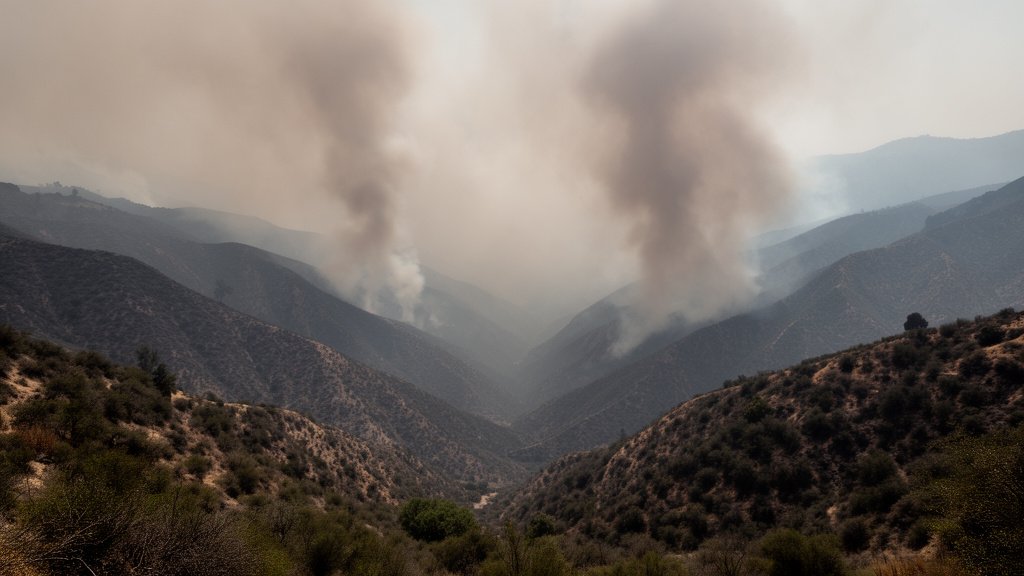
A major contributing factor to this extreme heat is the anticipated formation of a powerful heat dome over the western U.S. A heat dome occurs when a large area of high pressure traps hot air, preventing it from escaping and causing temperatures to rise steadily day after day. This phenomenon not only elevates temperatures but also suppresses rainfall, leading to drier conditions and increasing the risk of wildfires. Record dry fuels have been noted in parts of Utah and Colorado, exacerbating this danger.
Regional Temperature Forecasts and Concerns
While Los Angeles city temperatures are expected to be in the mid-80s to mid-90s, inland valleys and desert regions will experience significantly higher temperatures, with highs potentially reaching 108°F (42°C) in some valley areas and even hotter in deserts. In Arizona, Phoenix is projected to hit 110°F (43°C), and Las Vegas is expected to see similar extreme temperatures. The risk of extreme heat is particularly high for vulnerable populations, including the elderly, children, and those without adequate access to air conditioning.
Long-Term Outlook and Potential for Records
Forecasters indicate that the week ending July 9, 2026, could be the hottest week of July in the past decade, with some models projecting temperatures to exceed previous peaks. A dominant ridge of high pressure is expected to establish itself across the western and central U.S., contributing to persistently high temperatures throughout the period. While some models show uncertainty regarding the exact progression and intensity of this ridge, the overall consensus points to a significant and prolonged heat event across much of the country.
Secondary Angles
Historical Context of Heat Waves: This current heat wave builds upon a pattern of increasingly intense summer heat events in recent years. For example, a record-breaking March heat wave in Southern California in 2026 saw temperatures 20-30 degrees above normal, with some areas reaching 95-102°F. The potential for this July’s heat to surpass previous records highlights a concerning trend of escalating summer temperatures across the U.S.
Impact on Infrastructure and Health: Extreme heat poses significant risks to public health, increasing the likelihood of heat-related illnesses and straining emergency services. Infrastructure can also be affected, with roads potentially buckling under the intense heat. Furthermore, the combination of heat and dryness elevates the threat of wildfires, which can have devastating consequences for communities and ecosystems.
Climate Drivers and Future Predictions: The formation of heat domes is often linked to broader climate patterns. Scientists are closely monitoring how these patterns are evolving and influencing the frequency and intensity of heat waves. Long-term predictions suggest that such extreme heat events may become more common in the future, necessitating adaptive strategies for communities and infrastructure.
FAQ: People Also Ask
What are the expected peak temperatures in Los Angeles during this heat wave?
Temperatures in downtown Los Angeles are forecast to peak around 87°F on Thursday, while Burbank may reach 92°F.
Which areas in the Southwest are expected to experience extreme heat?
Areas like Palm Springs and Phoenix are expected to reach temperatures as high as 116°F (47°C) through Thursday.
When is the broader heat wave expected to impact the US West and South?
Temperatures are expected to run 3°F to 5°F above normal across the Rocky Mountains through Saturday, with a moderate risk of extreme heat forecast from Southern California to Florida from July 14 to 20.
What is a heat dome and how does it contribute to extreme heat?
A heat dome is a large area of high pressure that traps hot air underneath, preventing it from escaping and causing temperatures to rise significantly over an extended period.
What is the wildfire risk associated with this heat wave?
The combination of extreme heat, dryness, and potential for dry lightning significantly increases the risk of fast-moving wildfires across the U.S. West.