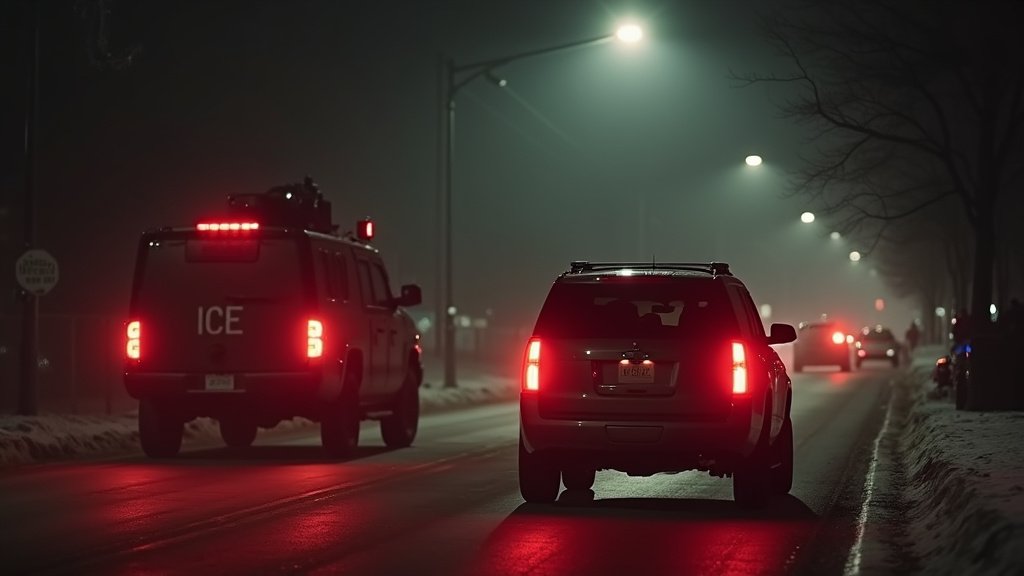
The Minnesota ICE Lawsuit represents a significant challenge to federal immigration enforcement tactics. Minnesota officials are taking legal action, suing the Trump administration to stop a surge of ICE agents. This action follows a fatal shooting incident where an ICE agent killed Renee Nicole Good, a U.S. citizen. The Minnesota ICE Lawsuit was filed by Attorney General Keith Ellison, along with the cities of Minneapolis and St. Paul, who claim the federal surge constitutes a “federal invasion” and violates constitutional protections, including the First and Tenth Amendments. This particular Minnesota ICE Lawsuit has garnered national attention.
Background of the Federal Invasion Claims
The Department of Homeland Security (DHS) launched “Operation Metro Surge,” deploying approximately 2,000 federal agents with nearly 1,000 more expected. This surge, described as the largest ever, was reportedly aimed at targeting fraud, including allegations involving Somali residents, and other nations. Homeland Security Secretary Kristi Noem and ICE Director Todd Lyons were named in the legal filings associated with the Minnesota ICE Lawsuit. They are accused of employing unlawful tactics, such as militarized raids at schools and hospitals, contributing to the grounds for the Minnesota ICE Lawsuit.
The Fatal Shooting of Renee Nicole Good and its Impact on the Minnesota ICE Lawsuit
Renee Nicole Good was shot and killed on January 7, 2026, by ICE agent Jonathan Ross in Minneapolis. The incident occurred while Good was in her SUV, stopped in the street. Agents approached her vehicle, and as Good began to drive away, Ross fired three shots, resulting in her death. The Trump administration defended the shooting, claiming the agent acted in self-defense and that Good attempted to run over the agent. However, eyewitnesses and video footage appear to contradict this narrative, fueling further claims in the Minnesota ICE Lawsuit. Minneapolis Mayor Jacob Frey condemned the administration’s claims, demanding ICE’s withdrawal from Minneapolis, adding a significant dimension to the Minnesota ICE Lawsuit. The UN human rights office has called for a prompt, independent, and transparent investigation, highlighting the international implications of this Minnesota ICE Lawsuit.
Legal Arguments and Constitutional Rights Violation Claims
Minnesota officials allege the federal surge is politically motivated, targeting the state for its diversity and political stances, which they argue is a violation of the First Amendment. The Minnesota ICE Lawsuit cites the Administrative Procedure Act, claiming federal actions are arbitrary and capricious. The state also contends that federal agents are employing excessive force and making arrests without warrants, alongside allegations of racial profiling. This aspect of the Minnesota ICE Lawsuit focuses on a potential constitutional rights violation.
Furthermore, the Minnesota ICE Lawsuit asserts that federal agents have engaged in dangerous tactics, including the use of swapped license plates, tear gas on bystanders, and arrests without probable cause. The state argues that this influx of federal agents infringes upon Minnesota’s police powers and violates state sovereignty, a key point in the Minnesota ICE Lawsuit protected by the Tenth Amendment.
Similar Lawsuits and Federal Response to the Minnesota ICE Lawsuit
Minnesota is not the only entity challenging federal actions. The states of Illinois and the city of Chicago have filed similar legal actions, also challenging DHS over dangerous enforcement tactics and the unlawful use of force, with federal agents allegedly acting as an “occupying force.”
In response to the Minnesota ICE Lawsuit, a DHS spokeswoman stated their activities are constitutional and questioned the “Left’s” use of the Tenth Amendment, asserting that Minnesota leaders are prioritizing politics over federal law enforcement efforts. This response sets the stage for further legal battles stemming from the Minnesota ICE Lawsuit.
Consequences and Broader Implications of the Minnesota ICE Lawsuit
The surge of ICE agents has instilled fear, leading to reported school shutdowns and business closures in the Twin Cities. Protests erupted following Good’s death and spread nationwide, amplifying the importance of the Minnesota ICE Lawsuit. The lawsuit seeks a temporary restraining order to halt or limit the operation, highlighting deep divisions over federal immigration enforcement and the balance of power between state and federal authorities. This legal battle, including the claims within the Minnesota ICE Lawsuit, could set a precedent concerning the limits of federal power and the protection of constitutional rights. The UN’s call for an investigation adds international scrutiny to the situation, underscoring rising tensions surrounding immigration policy and civil liberties, all central to the ongoing Minnesota ICE Lawsuit.