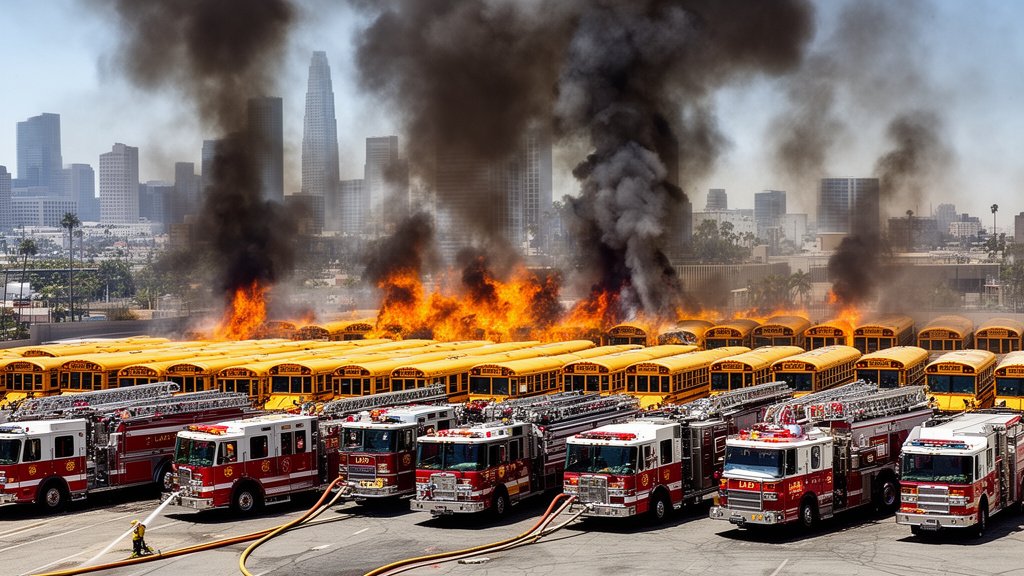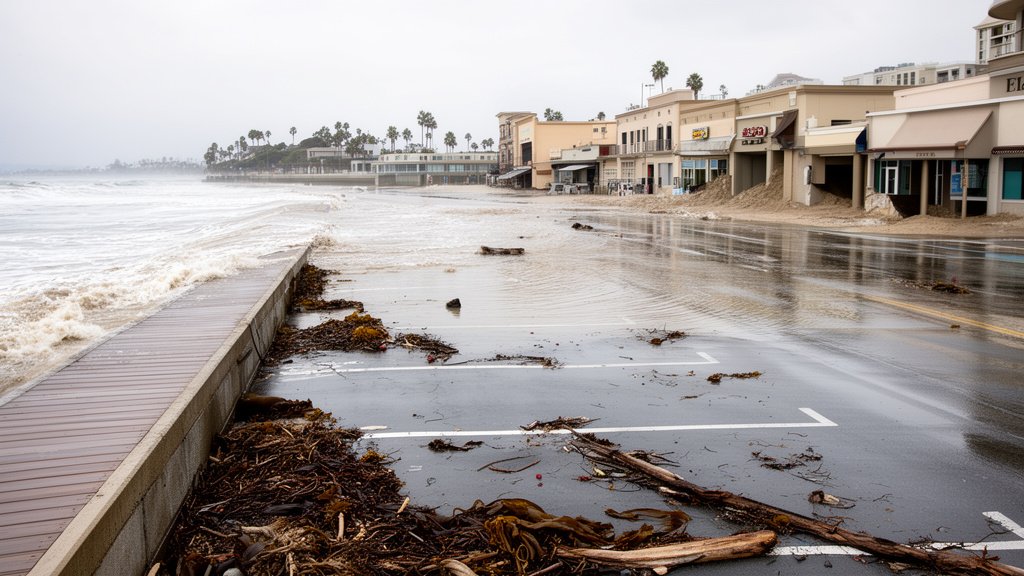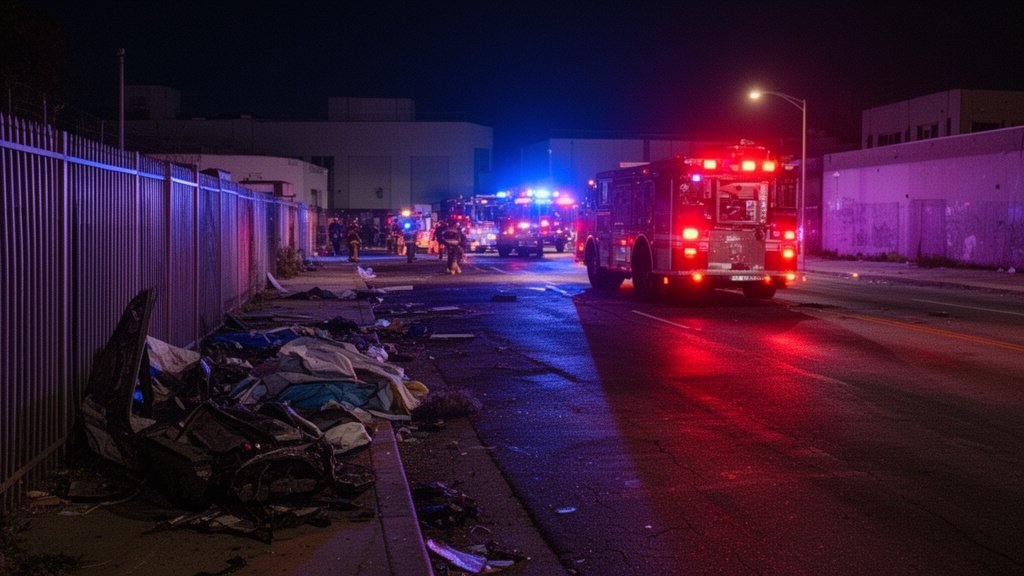
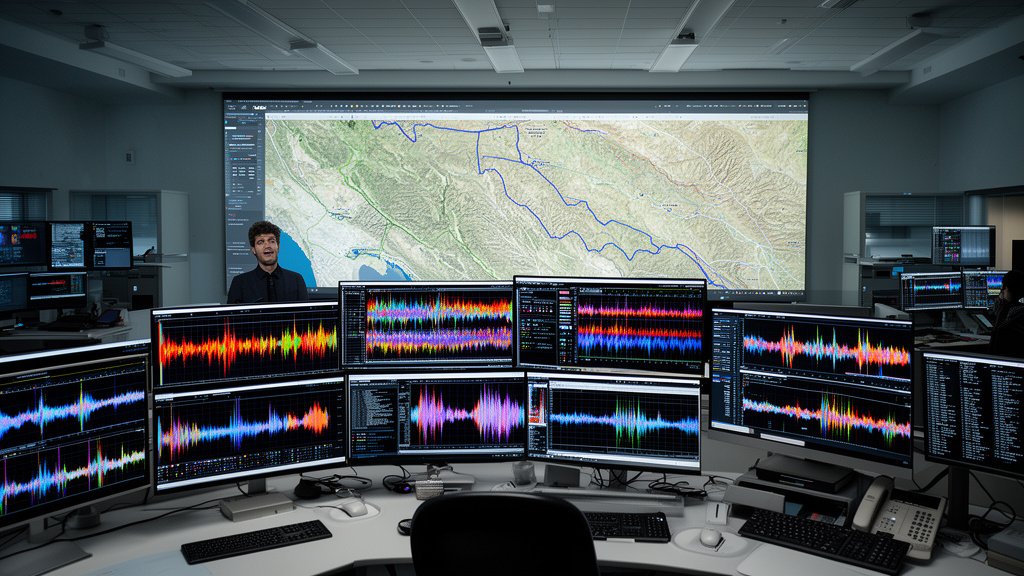
On November 28, 2026, residents across the Los Angeles basin were startled by a significant seismic event centered off the coast of Manhattan Beach. The 5.0 magnitude earthquake, which struck at a shallow depth, served as a stark reminder of the region’s active tectonic environment. While official reports from the United States Geological Survey (USGS) and local authorities confirm that there is no major structural damage across the metropolitan area, the geological activity is far from concluded. Experts at the California Institute of Technology (Caltech) convened a press conference shortly after the tremor to provide context, analyzing the sequence of events and urging residents to remain prepared for ongoing aftershocks.
Key Highlights
- Magnitude 5.0 Event: The tremor originated off the coast of Manhattan Beach on November 28, 2026, causing widespread shaking across the LA basin.
- Aftershock Activity: Over 100 aftershocks have been cataloged by seismic sensors since the initial event, highlighting the continued instability of the local fault systems.
- Structural Integrity: Emergency management services report no major structural damage or casualties, though infrastructure stress is currently being assessed.
- Expert Guidance: Caltech scientists emphasize the importance of the “drop, cover, and hold on” protocol and maintain that aftershocks are a normal, yet unpredictable, part of the seismic cycle.
Seismic Stability and Long-Term Basin Dynamics
The November 28 event in Manhattan Beach has reignited critical conversations regarding the geological framework of the Los Angeles Basin. This region is a complex mesh of strike-slip and thrust faults, driven by the relentless convergence of the Pacific and North American tectonic plates. The 5.0 magnitude earthquake, while not considered a ‘catastrophic’ event by seismological standards, was high-impact due to its location near a densely populated coastal area.
The Science Behind the Shake: Understanding the Faults
Caltech seismologists, during their post-event analysis, pointed out that the tremor occurred within a secondary fault zone offshore. Unlike the major San Andreas Fault, which accommodates the bulk of the plate motion, the offshore faults near Manhattan Beach are often responsible for smaller, yet more disruptive, local events. The mechanism of this earthquake was consistent with the shear forces expected in the region, creating a wave pattern that propagated through the soft, alluvial soil of the LA basin. This geology, while susceptible to shaking amplification, is also why the structural impact was limited; modern building codes in Southern California are engineered to withstand precisely these types of horizontal acceleration forces.
Aftershock Dynamics: Why Vigilance Is Essential
The occurrence of over 100 aftershocks within the first 24 hours is a significant statistical indicator for residents. Seismologists define aftershocks as a redistribution of stress along the fault plane. After the initial rupture, the crust remains in a state of localized imbalance. The Caltech team stressed that while the magnitude of these aftershocks tends to decay over time, their frequency can remain high for days or even weeks.
From a public safety perspective, this presents a unique psychological and practical challenge. Constant, smaller tremors can wear down the nerves of the public and potentially weaken already compromised structures. Experts are advising citizens to secure heavy furniture, check gas lines for leaks, and ensure that emergency supply kits—containing water, non-perishable food, and medical supplies—are readily accessible. The psychological impact of ‘seismic anxiety’ is also being addressed, with local health officials encouraging community members to rely on official information channels rather than unverified reports on social media.
Caltech’s Role: Expert Analysis and Public Preparedness
The press conference held at Caltech served as a hub for data dissemination. By leveraging advanced seismic monitoring networks, the institute has been able to provide granular detail on the epicenter and depth of the tremors. This data is fed directly into early warning systems like MyShake, which provide residents with critical seconds of warning before shaking begins.
Looking toward the future, the Manhattan Beach event underscores the necessity for continued investment in infrastructure resilience. The ability of the LA basin to withstand a 5.0 magnitude quake without major incident is a testament to seismic retrofitting programs implemented over the last three decades. However, Caltech experts warned that this event should not be viewed in isolation. It is a data point in the larger historical context of Southern California earthquakes. The takeaway for the public is clear: complacency is the greatest risk in a seismic zone. Preparedness is not a one-time task but a continuous commitment to safety, architectural integrity, and community readiness.
FAQ: People Also Ask
Q: Why was the earthquake felt so widely if it was only a 5.0 magnitude?
A: The perceived intensity of an earthquake depends on depth, distance from the epicenter, and local soil conditions. The LA basin contains deep, sediment-filled valleys that can trap and amplify seismic waves, allowing the shaking to be felt across a broader area than in solid bedrock regions.
Q: Should I be worried about a larger earthquake following these aftershocks?
A: While aftershocks are a standard part of the process, they do not inherently predict a larger event. However, in any seismic zone, the risk of larger earthquakes always exists. Caltech scientists recommend staying prepared for a ‘big one’ regardless of recent minor activity.
Q: What is the official protocol during an aftershock?
A: The advice remains identical to the initial tremor: Drop, Cover, and Hold On. Do not attempt to run outside, as falling debris is a primary cause of injury. Stay low, protect your head, and wait until the shaking has completely stopped.
Q: Are there any specific risks to coastal infrastructure following this event?
A: While there is no major structural damage reported, coastal areas can be subject to liquefaction if the soil is loose and saturated. Authorities are currently conducting inspections on piers, bridges, and sea walls to ensure long-term stability.