In the heart of West Hollywood, a new rhythm has taken hold, turning the traditional, often dusty, karaoke experience on its head. Mic Drop, the latest venture by brothers Leo and Oliver Kremer, officially opened its doors today inside the legendary Larrabee Studios—a historic site once synonymous with the creative genius of artists like Carole King and Gerry Goffin. The venue is not merely a place to sing; it is a meticulously engineered sonic sanctuary that attempts to answer a singular question: Why shouldn’t karaoke feel as premium as a night out at the world’s best cocktail lounges?
By blending professional-grade acoustic architecture with the accessibility of modern song-catalog services, the Kremers—Leo is a former bassist for the alternative rock band Third Eye Blind—are betting on a post-pandemic shift toward shared, high-octane social experiences. Mic Drop represents a significant departure from the ‘generic, dim, and poorly lit’ karaoke rooms that have historically populated the Los Angeles landscape, offering a glossy, high-production alternative that treats the amateur performer with the same reverence usually reserved for global touring acts.
Key Highlights:
- Historic Location: The venue occupies the former Larrabee Studios, a 1920s building where Carole King recorded some of her most iconic albums.
- Dual-Stage Experience: Guests can choose between 13 sound-proof, design-forward private suites or a high-energy main stage for those who prefer to perform in front of a live, cheering audience.
- Pro-Level Production: The venue features professional-grade lighting rigs, haze machines, and custom acoustic treatment, prioritizing superior sound quality over the standard ‘karaoke-machine’ audio profile.
- Vast Catalog: Utilizing the popular KaraFun service, the lounge offers a library of over 600,000 songs, ensuring that even the most obscure or modern deep-cut requests are available.
- Industry Backing: The venture is bolstered by significant interest from music industry veterans, including Third Eye Blind’s Stephan Jenkins and Brad Hargreaves.
The Architectural Elevation of Social Singing
For decades, the karaoke industry has operated under a ‘less is more’ philosophy—less expense on aesthetics, more focus on simply providing a screen and a microphone. The Kremers, who traveled extensively exploring karaoke culture worldwide, identified this gap in the market immediately. They noticed that while the demand for karaoke was skyrocketing, the physical environments were consistently failing to match the energy of the participants. Their solution was to approach the design of Mic Drop not as a bar with a karaoke machine, but as a live music venue that happens to prioritize audience participation.
Designing for the Performer
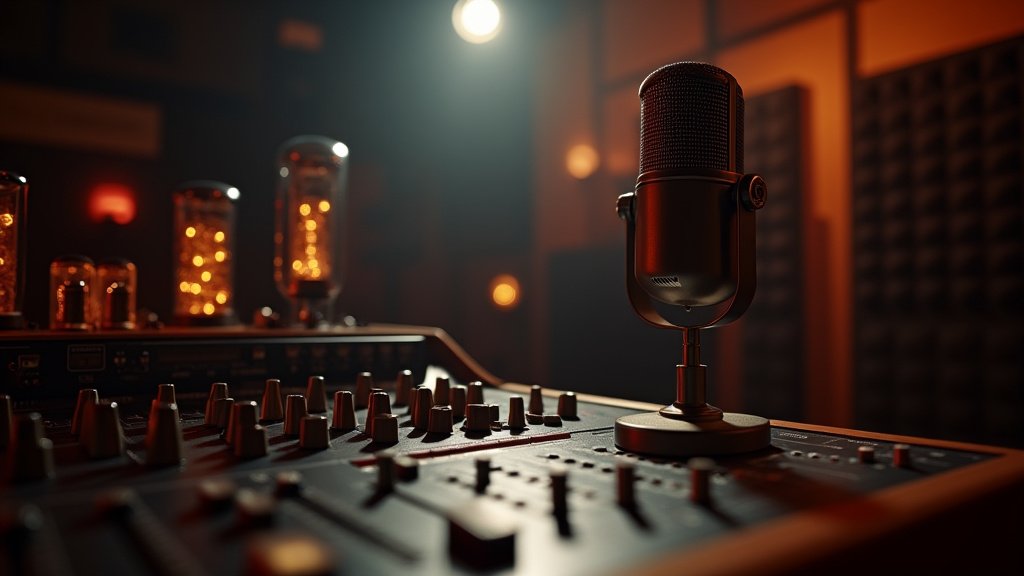
The most striking aspect of Mic Drop is the interior design. Each of the 13 private rooms is themed around legendary recording studios, such as Abbey Road and Electric Lady. This serves a dual purpose: it honors the musical lineage of the building itself while creating a sense of ‘place’ that elevates the mood of the party. The acoustics were a primary concern; rather than standard drywall, the rooms feature soundproofing and baffling that allow singers to push their vocal cords without the fear of leakage or distortion—common pitfalls in smaller, poorly built lounges.
Beyond the rooms, the lighting design is a standout feature. Most karaoke rooms suffer from static, uninspiring overhead lights. At Mic Drop, the rooms are equipped with dynamic, automated lighting that shifts with the rhythm of the music. When a user selects a ballad, the lights soften into warm, amber hues; when the room breaks into an up-tempo rock track, the lighting pulses with strobe and spot effects. It is this attention to detail that transforms a mundane Tuesday night into a theatrical event.
The Sonic Infrastructure
The decision to utilize the KaraFun service, which pushes updates and new tracks monthly, addresses the ‘stale catalog’ problem that plagues many karaoke venues. However, the hardware behind the audio is where the venue truly differentiates itself. By implementing high-fidelity speakers and professional-grade vocal processing, the venue reduces the latency and ‘thin’ sound often associated with digital karaoke tracks. This creates a psychological shift for the guest: when the sound feels professional, the performer sings with more confidence. This is the ‘Mic Drop’ effect—a deliberate engineering choice to encourage guests to lose their inhibitions.
The Future of the ‘Experience Economy’
Mic Drop arrives at a time when the hospitality sector is aggressively pivoting toward the ‘experience economy.’ In an era dominated by digital isolation, consumers are increasingly seeking out venues that offer active participation rather than passive consumption. Nightlife experts argue that the success of venues like Mic Drop lies in their ability to provide a curated social experience that cannot be replicated at home. While living room karaoke has its charm, it lacks the electricity of a crowd—or the high-end cocktail program that Mic Drop aims to cultivate alongside its performances.
Bridging History and Modernity
Situated in the iconic Larrabee Studios, the venue serves as a bridge between Los Angeles’s deep musical history and its future. The building itself is a character in the story; by maintaining the footprint of a studio where history was made, the Kremers are tapping into the aspirational nature of their clientele. Guests aren’t just singing ‘Bohemian Rhapsody’; they are doing it in a space that feels culturally relevant. This cultural cachet is a crucial differentiator in a crowded West Hollywood entertainment scene.
Market Viability and Longevity
Looking forward, the success of Mic Drop will depend on its ability to maintain the balance between high-end lounge atmosphere and accessibility. Karaoke, by its nature, is a leveller—it brings together diverse groups of people. If Mic Drop can successfully market itself as a destination for both serious music lovers and casual party-goers, it may well set a new standard for ‘premium karaoke’ chains nationwide. With institutional investors like Jenkins and Hargreaves involved, the roadmap for expansion seems plausible, provided they can replicate the intimate, ‘bespoke’ feel of this flagship West Hollywood location in other, potentially less historically significant, spaces.
FAQ: People Also Ask
Q: Why was the Larrabee Studios building chosen for this project?
A: The Kremers chose the building to ground the venue in real musical history. Larrabee Studios has a storied past as a premier recording facility, and the venue design pays homage to that legacy, creating an authentic backdrop for guests.
Q: How does Mic Drop differ from a standard karaoke bar?
A: The primary difference lies in production value. Mic Drop offers professional acoustics, dynamic concert-grade lighting, and an expansive, constantly updated song catalog, shifting the focus from ‘simple bar activity’ to an ‘immersive performance.’
Q: Who are the key figures behind Mic Drop?
A: Brothers Leo and Oliver Kremer are the founders. Leo Kremer, a former bassist for the band Third Eye Blind, leads the vision, with backing from industry figures like Third Eye Blind members Stephan Jenkins and Brad Hargreaves.
Q: Can anyone sing on the main stage, or is it invite-only?
A: The main stage is open for guests who wish to perform in front of an audience, adding a ‘rock star’ element to the night that the private rooms cannot provide.