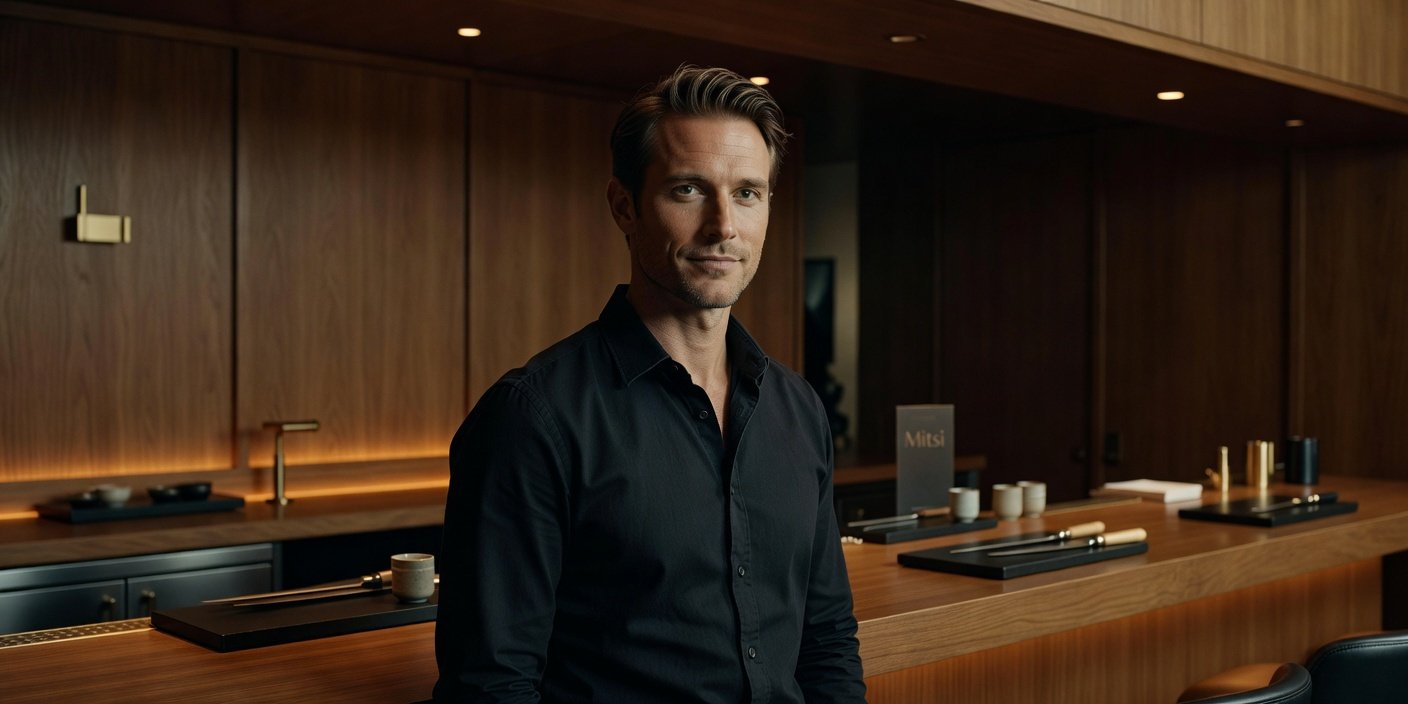
Los Angeles is experiencing a significant shift in its hospitality landscape this week, marked by two distinct but equally ambitious openings that underscore the city’s evolving appetite for experiential, high-design dining. On the creative edge of Chinatown, Ben Lovett—the keyboardist and founding member of the Grammy-winning folk-rock band Mumford & Sons—has officially unveiled his latest project, Mitsi. Simultaneously, the Japanese comfort food titan Jinya Ramen Bar is making a bold play for the luxury demographic, launching its sophisticated, izakaya-forward flagship on North La Cienega Boulevard in West Hollywood. These openings represent more than just new places to eat; they signify a maturing of the city’s ‘third space’ culture, where nightlife, live performance, and elevated gastronomy converge.
Key Highlights
- The Mitsi Arrival: Ben Lovett’s Mitsi, a sophisticated cocktail and omakase-style sushi bar, has opened its doors in Chinatown, functioning as a cultural cornerstone alongside his adjacent music venue, Pacific Electric.
- Jinya’s Strategic Pivot: The new 5,000-square-foot West Hollywood flagship for Jinya marks a departure from its ‘slurp-and-go’ roots, focusing on an upscale, date-night atmosphere with a full izakaya menu.
- Destination Dining: Both establishments prioritize atmosphere and ‘stay-awhile’ layouts, signaling a trend toward longer-duration dining experiences rather than transactional service.
- Culinary Fusion: The trend of merging live music, cocktail craftsmanship, and high-end sushi defines the new standard for Los Angeles hospitality in 2026.
The Reshaping of Los Angeles Hospitality
The dual arrival of Mitsi in Chinatown and the Jinya flagship in West Hollywood offers a snapshot of the current state of the Los Angeles dining market. While the two concepts are vastly different in scale and pedigree—one an intimate passion project by a globally recognized musician, the other a massive expansion of an established global chain—they share a unified philosophy: the necessity of the ‘destination experience.’
Ben Lovett’s Vision for Chinatown
For Ben Lovett, Mitsi is not merely a side project; it is the realization of a years-long plan to integrate hospitality with live entertainment. Located at the intersection of Mission Junction and Chinatown, Mitsi functions as the aesthetic and culinary counterpoint to Pacific Electric, Lovett’s music venue located on the same block. The strategy is to create a seamless ecosystem where a patron can move from a high-energy live performance to an intimate, design-forward environment for cocktails and sushi without leaving the block.
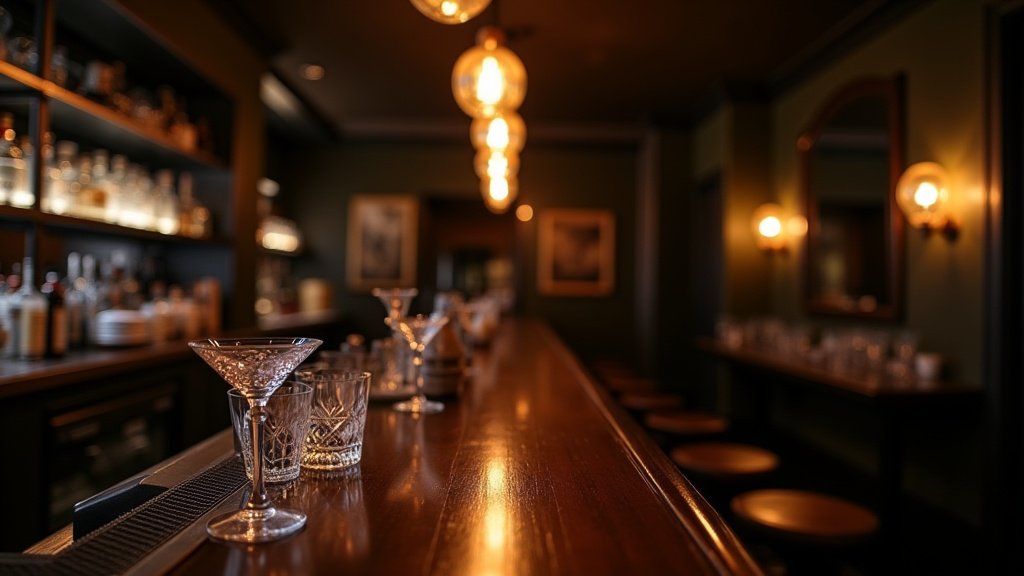
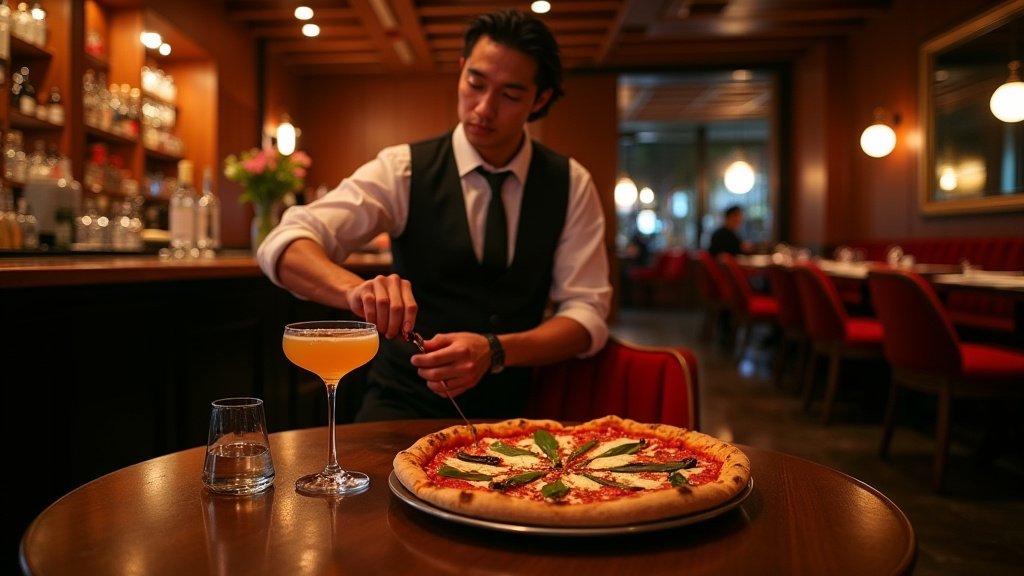
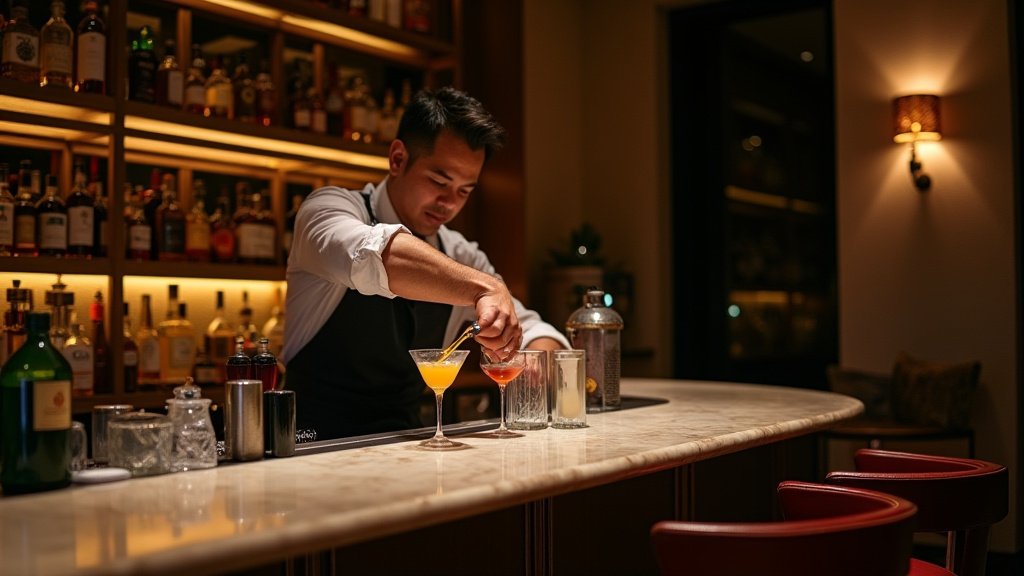
The interior of Mitsi reflects a ‘love letter’ to the neighborhood, balancing elevated design with an accessible, welcoming vibe. The menu, guided by Chef Jon Kim, leans into the precision of omakase-style service, while the cocktail program focuses on reimagined classics and seasonal ingredients. Lovett’s entry into this specific neighborhood underscores a broader trend of creatives betting on the underutilized warehouse districts of Chinatown, seeing the area as the new frontier for those who prioritize artistic community over the crowded corridors of Hollywood or Santa Monica.
Jinya’s Elevated Flagship Strategy
On the other side of town, Jinya Ramen Bar is executing a different kind of evolution. Its new flagship on 826 N. La Cienega Boulevard is a calculated move to capture the ‘night out’ crowd. By merging its reliable, globally loved ramen bowls with an expanded lineup of izakaya-style small plates and a sophisticated cocktail program, Jinya is challenging the assumption that its restaurants are purely for casual lunch breaks.
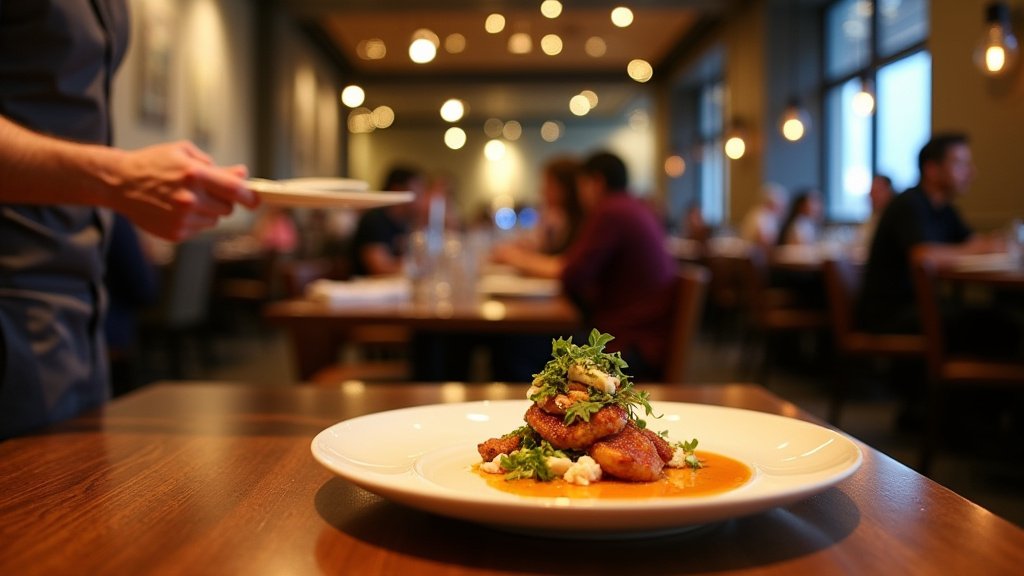
The 5,000-square-foot space in West Hollywood features a more refined dining room, dim lighting, and a focus on dry-aged meat and seafood programs that are rarely seen in fast-casual ramen concepts. This is an attempt to position Jinya as a competitor in the premium casual-dining segment, where the average check size is higher and the ‘experience’ is just as critical as the food itself. By situating this flagship in the heart of the La Cienega dining strip, the company is signaling that it wants to compete with the city’s hottest cocktail bars and dinner spots, rather than just the other noodle shops.
The Rise of the ‘Third Space’
Both Mitsi and the Jinya flagship are manifestations of the post-pandemic craving for ‘third spaces’—environments that exist outside the home and the office where people can gather, socialize, and linger. In Los Angeles, this has become the defining characteristic of successful new hospitality ventures.
Modern diners are increasingly turning away from quick-bite models in favor of spaces that offer a sense of arrival. Whether it’s the dimly lit, sophisticated wood-and-gold aesthetic of Mitsi or the high-gloss, live-fire culinary concept at Jinya, the physical environment has become a primary product.
Secondary Angles: Economic and Social Impact
1. The Creative-Hospitality Hybrid: Lovett’s move is part of a growing trend of musicians, actors, and other creative professionals acting as real estate and hospitality developers. This creates a vertical integration of culture: they produce the music, they own the venue, and they control the bar, creating a closed-loop economic model that benefits the artist and the local community.
2. The ‘WeHo’ Effect: West Hollywood’s La Cienega strip continues to be one of the most competitive restaurant real estate markets in the United States. Jinya’s entrance into this specific corridor, home to high-end institutions, highlights the aggressive expansion of what were once considered ‘fast casual’ chains into the luxury sector.
3. Neighborhood Identity: The choice of Chinatown for Mitsi, as opposed to the Arts District or Silver Lake, speaks to a intentional effort to diversify the cultural centers of Los Angeles. Chinatown is increasingly becoming a hub for nightlife that is less defined by the ‘clout’ of West Hollywood and more by the aesthetic, raw energy of the Eastside.
FAQ: People Also Ask
Q: Is Mitsi open to the public for walk-ins?
A: Yes, Mitsi welcomes walk-ins, though given the buzz surrounding Ben Lovett’s involvement and the intimate nature of the venue, reservations are highly recommended, particularly on weekends.
Q: What makes the new Jinya in West Hollywood different from other locations?
A: Unlike standard Jinya Ramen Bar locations, the West Hollywood flagship features an elevated design, a massive 5,000-square-foot footprint, a unique izakaya-style menu, and a dedicated dry-aged meat and seafood program designed for a more formal dining experience.
Q: Are these locations family-friendly?
A: While Jinya’s flagship maintains a more ‘date-night’ atmosphere than its fast-casual outposts, it remains accessible. Mitsi, however, is designed as a cocktail-forward space and is primarily geared toward adults looking for a sophisticated social environment.