Los Angeles pulses with a unique duality today, May 1st, 2026, as the city plays host to a convergence of historic civic advocacy and a vibrant surge of cultural and entertainment programming. From the labor-focused demonstrations traversing downtown streets in recognition of International Workers Day to the sold-out, star-studded intellectual programming at Exposition Park, the City of Angels is experiencing a day defined by contrast—where social consciousness meets the avant-garde. Residents and visitors alike are navigating a cityscape that demands both engagement with its political roots and participation in its ever-evolving arts scene, marking this Friday as a definitive snapshot of LA’s post-modern character.
Key Highlights
- Civic Engagement: Organized May Day rallies and marches, spearheaded by groups such as the SEIU, are highlighting labor rights and immigration advocacy across downtown corridors.
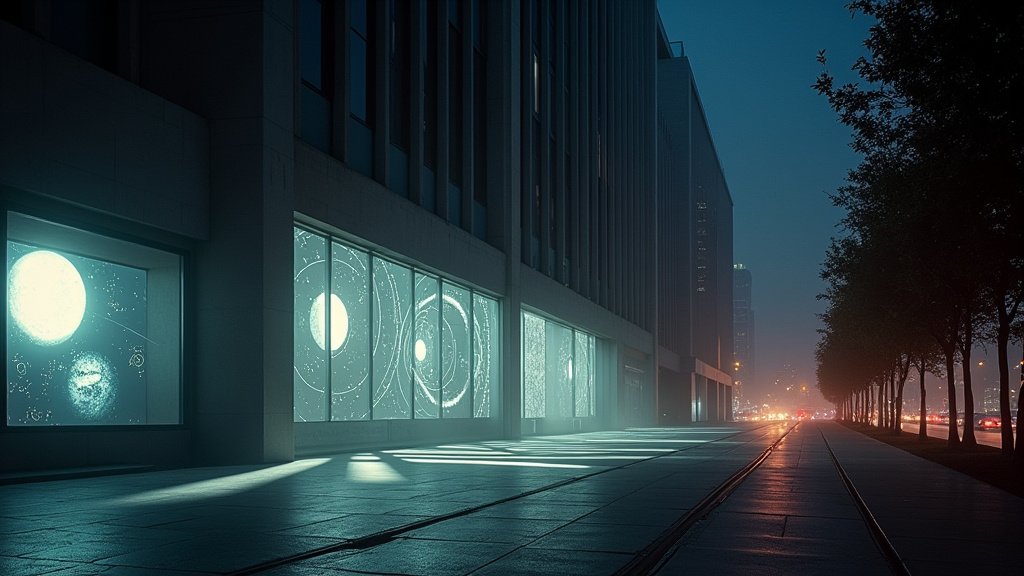
- The NHM Phenomenon: The Natural History Museum’s “First Fridays” series returns for its 20th anniversary with the theme “Life at the Cosmic Scale,” drawing capacity crowds for a blend of science and nightlife.
- Coastal Music Culture: The BeachLife Festival in Redondo Beach officially opens its gates today, signaling the start of a high-profile music and culinary weekend featuring a massive lineup of international and local talent.
- Urban Transit Warning: Major thoroughfares, particularly near Exposition Park and the downtown core, are experiencing heavy congestion due to the overlapping nature of political demonstrations and cultural event traffic.
The Dual Identity of May 1st in Los Angeles
For residents of Los Angeles, May 1st has long occupied a unique space in the annual calendar. It is a day where the city’s identity as a global entertainment hub intersects forcefully with its identity as a site of profound historical struggle and activism. This year, the 2026 May Day landscape is particularly illustrative of the region’s complexity.
The Civic Pulse: May Day 2026
Early morning hours across the Los Angeles metropolitan area were marked by the assembly of labor activists, community organizations, and advocacy groups. International Workers Day remains a fixture in the LA social calendar, serving as a platform for unions like the SEIU to emphasize the ongoing struggle for labor equity and comprehensive immigration reform. Unlike the leisure-focused events occurring simultaneously, these demonstrations demand a slowing of the city’s frantic pace. They transform arterial streets into theaters of political expression, reminding the public that Los Angeles is not merely a backdrop for Hollywood productions but a living, breathing city of millions of working-class citizens.
The demonstrations this year carry a specific resonance, building on discussions regarding the evolving “gig economy” and the economic pressures facing service-industry workers in the greater Los Angeles area. As marchers move through the downtown core, they highlight the disparities that often go overlooked in the glossy veneer of the city’s nightlife and celebrity-focused media landscape. This political activity acts as an essential counterweight to the evening’s festivities, grounding the city in a reality that prioritizes structural change over surface-level consumption.
The Cultural Resurgence at Exposition Park
While the downtown core echoes with the rhetoric of change, Exposition Park has transformed into a locus of scientific and artistic inquiry. The Natural History Museum (NHM) of Los Angeles County has reached a milestone, celebrating the 20th anniversary of its signature “First Fridays” program. The “Life at the Cosmic Scale” event, which sold out well in advance, represents the evolution of museum programming in the 21st century. By merging the academic rigor of astrobiology and mineral sciences with the aesthetic appeal of live music and curated nightlife experiences, the NHM has successfully cultivated a demographic that typically shies away from traditional educational settings.
This convergence of “high art” and “low culture”—where a guest might move from a dense, complex lecture by a neuroscientist to an open-air DJ set on the museum lawn—epitomizes the modern LA spirit. It is a demand for intellectual stimulation that refuses to be boring. The success of this programming model is a testament to the audience’s appetite for depth, proving that when educational institutions lean into the immersive, they can become just as vibrant as the city’s most exclusive nightclubs.
Coastal Rhythms: The BeachLife Festival
Transitioning from the urban density of the city center to the coast, the BeachLife Festival in Redondo Beach represents the third pillar of today’s activities. The festival, which kicked off its 2026 edition today, functions as the opening salvo of the Southern California summer season. Featuring an eclectic mix of legacy acts and emerging artists, the festival is less about the frenetic energy of a downtown club and more about the curated, laid-back ethos that defines the South Bay.
What makes BeachLife notable in the context of today’s news cycle is its economic impact on coastal tourism. By bundling music, culinary arts, and surf culture, the festival manages to attract a regional demographic that might otherwise stay in the city center. This diffusion of event-goers away from the traditional downtown/Hollywood nexus creates a more distributed economic model for LA’s tourism sector, encouraging visitors to explore the coastline rather than solely the dense urban grid. As the sun sets on the Pacific, the contrast between the organized protests in the city and the curated enjoyment at the coast paints a full picture of the day’s inherent contradictions.
Urban Infrastructure and the Future of LA Events
As Los Angeles grows more densified, the logistics of hosting simultaneous large-scale events have become a focal point for city planners. Today’s traffic headaches, particularly near the Exposition Park light rail stations, highlight the strain on the city’s public transit infrastructure. While the expansion of the Metro network has undeniably improved accessibility, the sheer volume of attendees for events like “First Fridays” and the daily commuter influx for workers and protestors creates an operational bottleneck.
Looking toward the future, the city’s ability to manage these “megadays” will determine its viability as a host for larger, global events. The integration of real-time transit data with event ticketing—ensuring that guests can seamlessly move from a protest in Downtown LA to a concert in Redondo Beach—is the next frontier for urban management. The events of May 1st, 2026, serve as a microcosm for this challenge: they are a test of the city’s capacity to host and manage a heterogeneous crowd that is simultaneously seeking justice, education, and leisure.
Ultimately, today is a reflection of the sheer scale of the Los Angeles ecosystem. It is a city that refuses to be defined by a single narrative. One does not simply “experience” Los Angeles; one chooses a facet of it, and today, that choice ranges from the historically profound to the culturally festive.
FAQ: People Also Ask
1. Why is there heavy traffic near Exposition Park and Downtown today?
Traffic is heavily impacted due to the convergence of multiple, high-capacity events. The combination of planned May Day labor marches in the downtown core and the sold-out “First Fridays” event at the Natural History Museum has created congestion on major freeways and surface streets.
2. Are the May Day rallies in Los Angeles peaceful?
Yes, the May Day rallies in Los Angeles are traditionally organized as peaceful demonstrations focused on labor rights and immigration advocacy. Participants are encouraged to follow local law enforcement guidance to ensure a safe environment for all citizens and marchers.
3. How can I get into the Natural History Museum’s First Fridays if it’s sold out?
Unfortunately, as the event is currently sold out, no additional tickets are available for purchase at the door. Museum officials strongly advise against traveling to the venue without a pre-confirmed reservation, as capacity is strictly limited for safety and event quality.
4. Is the BeachLife Festival suitable for all ages?
Yes, the BeachLife Festival is designed as a family-friendly, multi-generational event. However, guests should check the specific age requirements for VIP areas and alcohol-service sections within the festival grounds.