A powerful LA Pipeline Blast rocked Los Angeles County on December 27, 2025, causing major disruption. This significant event led to the closure of the vital I-5 freeway and a shelter-in-place order affecting thousands of residents. This LA Pipeline Blast unfolded just days after record-breaking Christmas rains caused widespread flooding and mudslides across Southern California.
LA Pipeline Blast and Freeway Closure
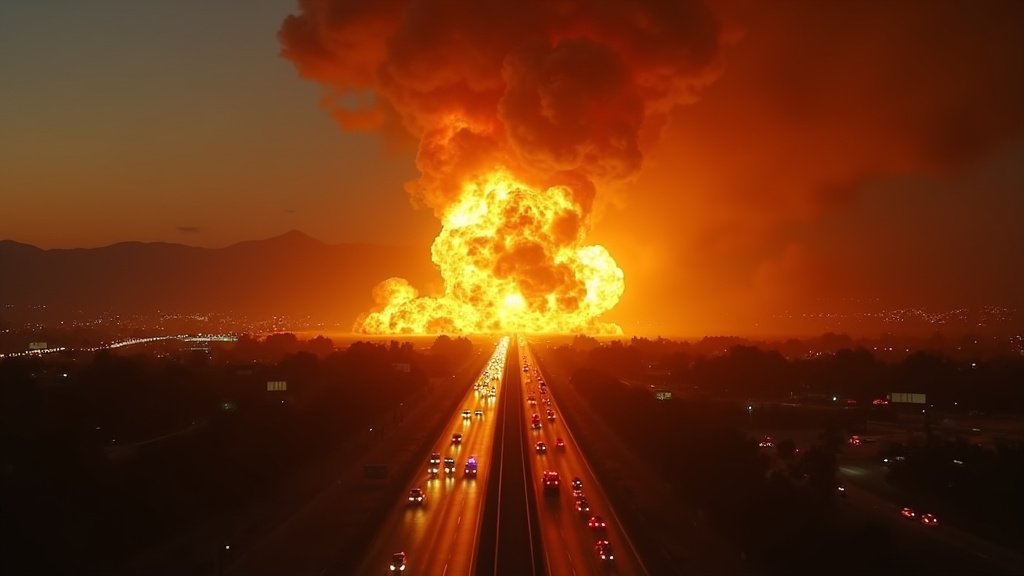
The explosion, a clear instance of a LA Pipeline Blast, occurred around 4:20 p.m. on Saturday, December 27, 2025, in the Castaic area. The rupture involved a 34-inch high-pressure natural gas transmission line. The blast created a loud, jet-like sound, with witnesses reporting seeing a large cloud of dirt and debris from the LA Pipeline Blast.
The California Highway Patrol responded immediately, closing all lanes of the I-5 freeway for hours. This closure, a direct consequence of the LA Pipeline Blast, caused traffic to stretch back for miles. The freeway, a critical north-south artery for the state, saw diversions set up on other state routes, significantly impacting holiday weekend travel due to the LA Pipeline Blast.
Shelter-in-Place and Public Safety Following the LA Pipeline Blast
Authorities issued a shelter-in-place order covering about 15 square miles of Castaic, affecting nearly 15,000 to 19,000 residents. They were instructed to close windows, doors, and vents, and turn off HVAC systems as a precaution against the effects of the LA Pipeline Blast. The Los Angeles County Fire Department and a hazardous materials team responded to contain residual gas leaks. Fire Captain Brian Kight confirmed no injuries were reported from the LA Pipeline Blast. Hazardous materials specialists monitored air quality, and residents in the Santa Clarita and San Fernando valleys might have smelled natural gas, though officials stated this posed no immediate danger.
Investigating the Cause of the LA Pipeline Blast
The exact cause of the rupture, leading to the devastating LA Pipeline Blast, remains under investigation. SoCalGas crews worked to repair the line, noting significant land movement near the break. Heavy rains in the preceding days caused widespread mudslides and flooding across the region, and some reports suggest these mudslides may have contributed to the pipeline failure, potentially explaining the severity of the LA Pipeline Blast. However, other officials stated they did not believe a landslide caused the incident. The pipeline is a transmission line and does not directly serve homes or businesses; five non-residential natural gas customers experienced outages following the LA Pipeline Blast.
High Winds and Wildfire Risk Amidst LA Pipeline Blast Aftermath
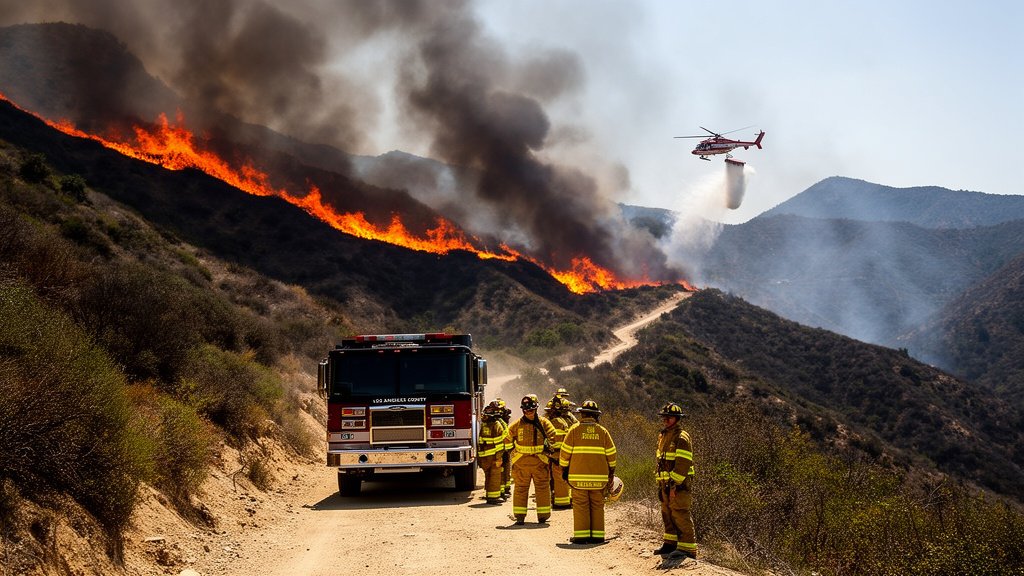
Separately, Los Angeles County was under a high wind warning on December 29, 2025, with winds ranging from 25 to 40 mph and gusts up to 60 mph. This followed a period of heavy rain that saturated soils, increasing the risk of downed trees and power outages. Additionally, a new wildfire was reported in Los Angeles County on December 28, 2025, burning on private land. The cause and containment status were undetermined at the time. This news highlights ongoing challenges in the region, which has faced significant wildfire activity in early 2025, with major fires like the Palisades and Eaton fires causing extensive damage. The combination of recent heavy rains, potential for mudslides, high winds, and new wildfire activity creates a complex situation, adding to the concerns raised by the LA Pipeline Blast.
Los Angeles news continues to focus on these environmental and infrastructure challenges. The ongoing weather patterns are a key trend impacting current operations and public safety. This trending situation, including the effects of the LA Pipeline Blast, demands careful monitoring.
Broader Context of LA Pipeline Blast and Weather Events
The December 27th pipeline incident, a significant LA Pipeline Blast, occurred after a period of severe weather. Heavy rains led to flash floods and mudslides, affecting large parts of Southern California. A state of emergency was declared in Los Angeles County, with roads washed out and some homes buried. The wet conditions also saturated soils, increasing the risk of damage from subsequent high winds, and raising concerns about infrastructure integrity following the LA Pipeline Blast.
The pipeline itself is a 34-inch high-pressure transmission line operated by Southern California Gas Company (SoCalGas). Failures like the one causing the LA Pipeline Blast raise questions about aging infrastructure and the costs associated with repairs, which are often passed on to consumers. This ongoing situation underscores the importance of infrastructure resilience.
Current Los Angeles News on the LA Pipeline Blast and Related Incidents
The current Los Angeles news cycle on December 29, 2025, is dominated by critical events, including the significant LA Pipeline Blast. A new wildfire added to environmental concerns, and high winds are also a factor. These incidents collectively highlight the challenges facing the region. Staying informed about current Los Angeles news is vital, especially regarding the LA Pipeline Blast. The trending topics involve public safety and infrastructure stability.
Conclusion on the LA Pipeline Blast and Regional Challenges
The gas pipeline explosion, a major LA Pipeline Blast, and the new wildfire report underscore significant challenges in Los Angeles County. These events, occurring amidst a high wind warning and following recent severe weather, demand immediate attention. Investigations into the pipeline’s cause are ongoing. The impact on infrastructure and residents from the LA Pipeline Blast is considerable. Public safety remains the top priority as crews work to mitigate risks and restore normal operations. The interconnectedness of weather, infrastructure, and community safety is starkly evident in the current Los Angeles news, with the LA Pipeline Blast serving as a prime example.