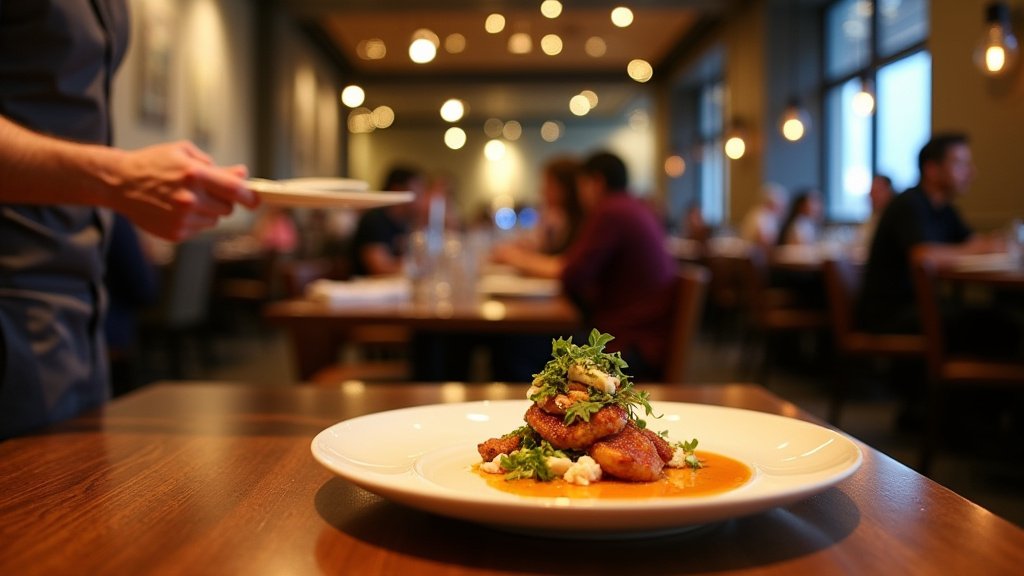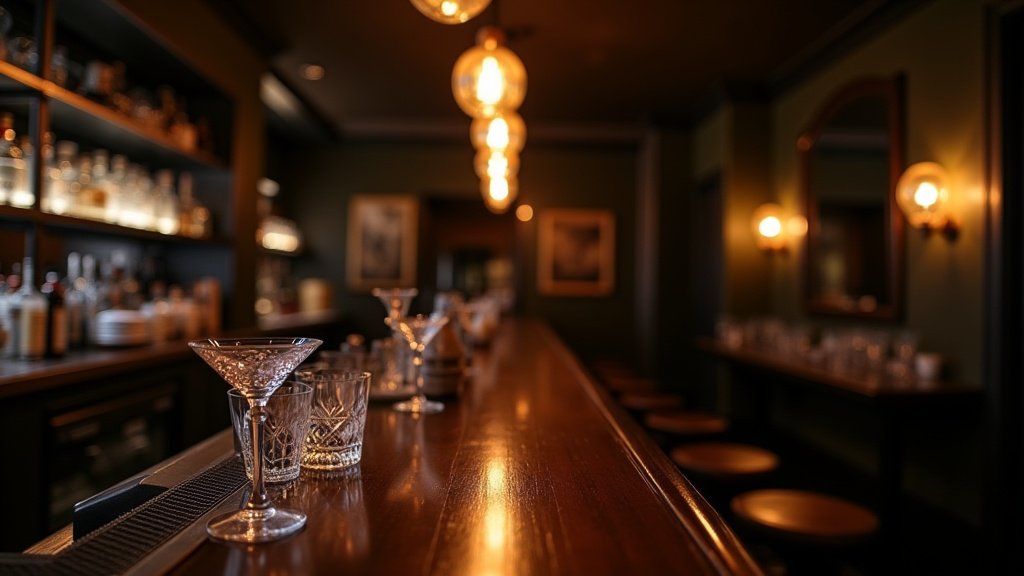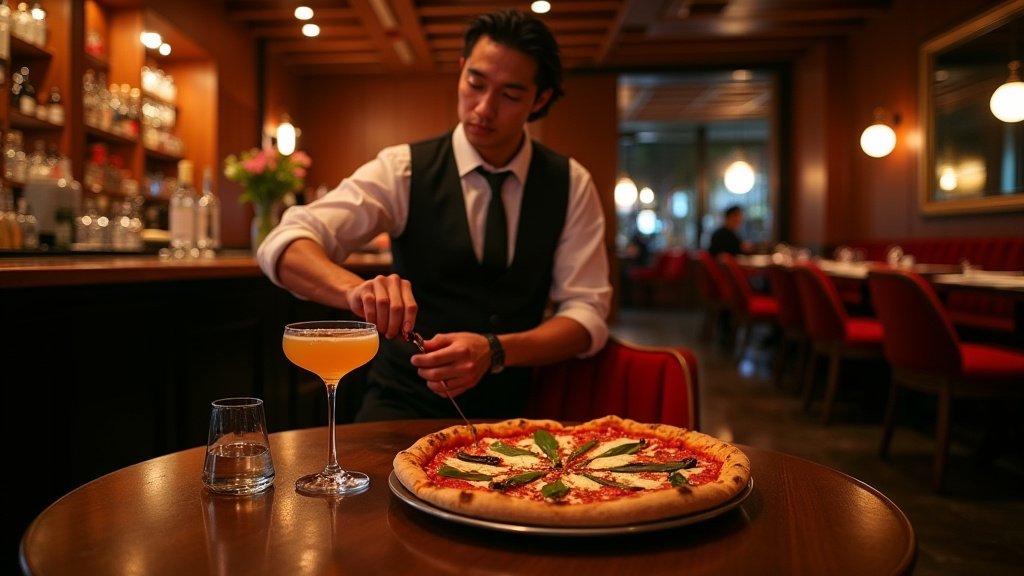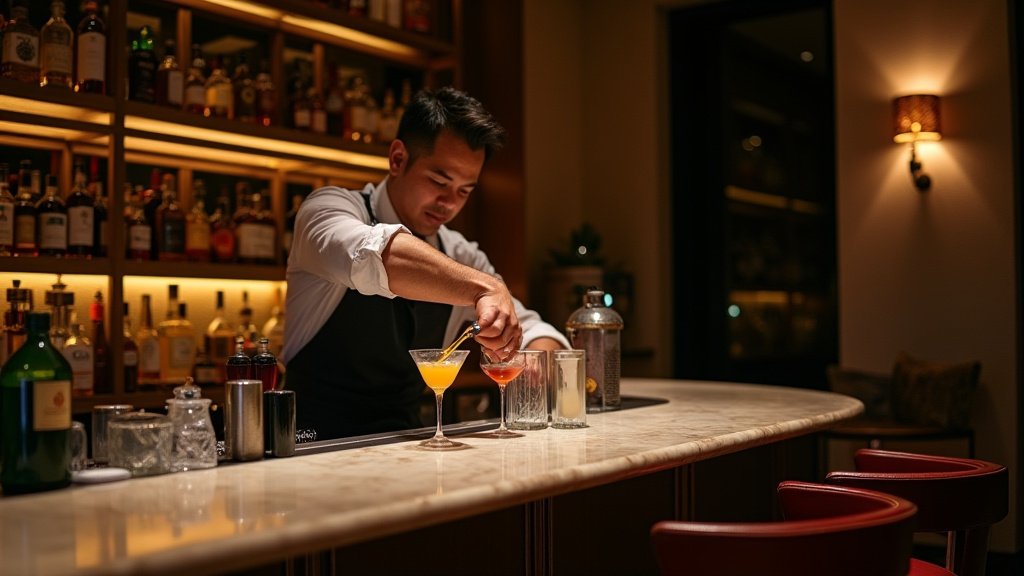
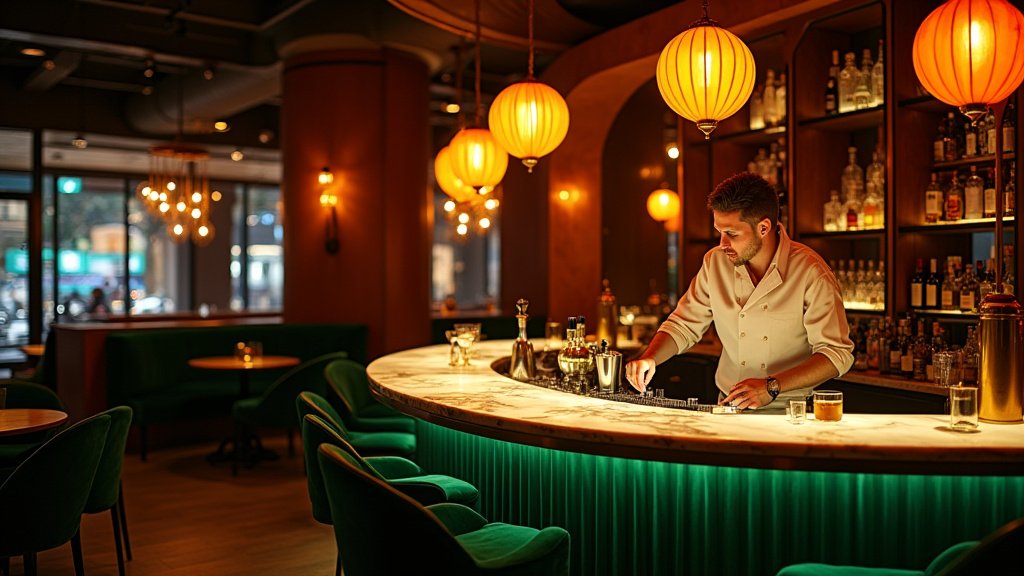
The Los Angeles hospitality landscape is undergoing a significant transformation this month, anchored by two ambitious projects that opened their doors this week. In a city where the dining scene is perpetually evolving, the simultaneous debut of Mitsi in Chinatown—a project from Mumford & Sons’ Ben Lovett—and the ‘final form’ flagship of Jinya in West Hollywood, marks a pivot toward more experiential, atmosphere-driven dining. These openings are not merely about food; they represent a broader shift toward ‘destination’ hospitality that prioritizes design, community connection, and specialized culinary techniques.
Key Highlights
- Mitsi Debuts in Chinatown: A new ‘love letter’ to LA by TVG Hospitality, featuring a mix of craft cocktails and high-end Japanese-inspired small plates.
- Jinya Unveils ‘Final Form’: The West Hollywood flagship introduces a live-fire grilling concept, moving beyond the group’s ramen-focused roots.
- Strategic Locations: Both venues target high-traffic cultural corridors, signaling confidence in the resurgence of urban nightlife and dining.
- Industry Shift: The move toward ‘all-day’ concepts and specialized dining experiences reflects a growing consumer demand for versatile, high-quality social spaces.
The New Guard of LA Hospitality
The arrival of these two establishments signals a robust period for the Los Angeles restaurant industry. While the economic climate remains a talking point, restaurateurs and hospitality groups are betting heavily on the ‘third space’ concept—venues that serve as more than just a restaurant, acting instead as cultural anchors for the neighborhoods they occupy.
Jinya’s Bold Evolution in West Hollywood
Jinya Holdings has long been a household name in the ramen world, but its new flagship in West Hollywood is a departure from the quick-service efficiency for which the brand is known. According to founder Tomo Takahashi, this location represents the ‘final form’ of the group’s premium series. Unlike the standard Jinya Ramen Bar outlets, this flagship is designed as an elevated, full-service dining experience. The centerpiece of the operation is its live-fire grilling program, which utilizes premium wood and charcoal to impart specific flavors onto ingredients like Ora King salmon, branzino, and prime rib. This pivot highlights a critical trend in 2026: the ‘premiumization’ of fast-casual heavyweights looking to capture a higher-end demographic and offer a more sophisticated late-night dining environment.
Mitsi: A Love Letter to Los Angeles
While Jinya leans into the technical mastery of fire, Mitsi—the latest venture from TVG Hospitality—is focused on the alchemy of space and culture. Founded by Ben Lovett of Mumford & Sons, TVG has been instrumental in integrating live music with top-tier food and beverage programs. Mitsi, located at the intersection of Chinatown and Mission Junction, serves as the cocktail-forward counterpart to the nearby Pacific Electric venue. By offering a curated menu of nigiri, hand rolls, and 90s-inspired cocktails, the bar is designed to be a landing pad for the city’s creatives. Its independent operation and strategic hours—designed to capture pre- and post-show crowds—demonstrate a refined understanding of how modern urbanites socialize. It is a ‘third space’ in the truest sense: a place that transitions seamlessly from an early evening cocktail spot to a late-night destination.
The Economic and Cultural Impact
These openings aren’t happening in a vacuum. They are part of a larger, coordinated effort to revitalize LA’s nightlife and culinary corridors. The decision to open in Chinatown and West Hollywood—two distinct but equally vibrant neighborhoods—speaks to the geographical diversification of dining trends.
1. The ‘Experience’ Economy: Consumers are increasingly valuing the ‘how’ over the ‘what.’ Whether it’s the theater of a live-fire grill or the curated atmosphere of a stylish cocktail bar, patrons are paying for the immersive experience as much as the meal.
2. The Creative-Hospitality Hybrid: With Ben Lovett leading the charge at Mitsi, we are seeing a deeper integration between live entertainment and fine dining. This hybrid model allows for a more sustainable business structure, capitalizing on the foot traffic generated by cultural events.
3. Post-Pandemic Urban Planning: Both restaurants prioritize indoor-outdoor flow and large, communal spaces. This architectural focus is a direct response to the desire for open-air, socially engaging environments that characterized the mid-2020s design philosophy.
FAQ: People Also Ask
Q: What makes the new Jinya location different from existing ones?
A: The West Hollywood location is a flagship concept that abandons the ‘Ramen Bar’ descriptor. It focuses on live-fire cooking, craft cocktails, and high-end proteins, functioning as a full-service, premium dining experience rather than a quick-service noodle shop.
Q: Is Mitsi connected to a music venue?
A: Yes, Mitsi is a key part of the broader development by TVG Hospitality (founded by Ben Lovett) in the Mission Junction/Chinatown area, which also includes the new Pacific Electric live music venue. It is designed to act as a social hub for the venue’s concertgoers.
Q: Why are these restaurants opening in these specific neighborhoods?
A: Both locations were chosen for their potential as cultural ‘hubs.’ Chinatown and West Hollywood are currently experiencing a resurgence in foot traffic and residential density, making them prime real estate for ‘destination’ dining that attracts both locals and tourists.
Q: Are reservations required for these new spots?
A: Given the high anticipation surrounding both openings—particularly given the branding and celebrity involvement—it is highly recommended to book reservations in advance, as these venues are expected to remain at capacity through their opening weeks.