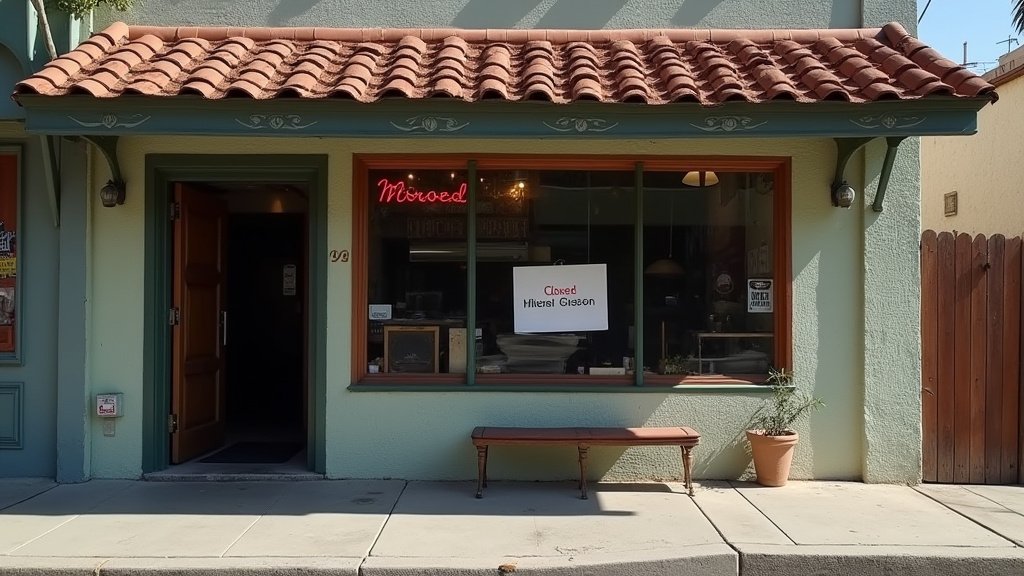
Los Angeles, a global capital of culinary innovation, witnessed a poignant transition this September 2026, as seven long-standing dining institutions officially ceased operations. The closures—spanning from the coastal enclaves of San Pedro to the historic streets of Hollywood—represent more than just simple business failures; they serve as a bellwether for the intense economic pressures currently redefining the Southern California hospitality sector. As the “Los Angeles restaurant closures September 2026” narrative gains traction, industry analysts point to a confluence of factors, including hyper-inflated commercial lease renewals, skyrocketing labor costs, and a fundamental pivot in consumer dining behavior.
Key Highlights
- The Wave of Closures: Seven institutions with a combined legacy of over 260 years have shuttered, marking a significant loss of local cultural history.
- Economic Catalyst: The primary driver for these closures is the aggressive 12-15% year-over-year increase in commercial rent, making legacy business models unsustainable.
- The ‘Middle Class’ Squeeze: Mid-tier, independently owned restaurants are disproportionately affected, often losing out to fast-casual chains and ghost kitchen concepts.
The Anatomy of an Economic Shift
The closure of these seven establishments is not an isolated event but a reflection of the ‘triple threat’ currently paralyzing the independent restaurant sector in Los Angeles. For decades, these venues served as ‘third places’—essential community hubs that fostered local culture beyond the home and the office. However, the data from September 2026 suggests that the traditional overhead-to-revenue ratio has broken.
The Rent Crisis and Commercial Real Estate
In neighborhoods like Santa Monica and Studio City, commercial rent rates have surged to levels that necessitate high-volume, quick-turnover business models. Older, character-rich buildings often lack the square footage or modernized infrastructure to accommodate the high-density traffic required to offset these costs. When legacy restaurants face lease renewal, the discrepancy between historical rental agreements and current market rates is often insurmountable. This forces owners to either raise menu prices to an uncompetitive level or, as seen in these seven cases, liquidate assets and close.
The Labor Landscape
Beyond the physical brick-and-mortar costs, the labor market in LA continues to challenge the operational viability of small-to-mid-sized restaurants. Competition for skilled staff has driven wages to record highs. While this is a positive development for the workforce, it puts immense pressure on small business owners who lack the economies of scale enjoyed by national hospitality groups. The establishments shuttered in September 2026—many of which prided themselves on long-term staff retention—found that the payroll math simply stopped working.
Profiles of the Departed: A Retrospective
To understand the magnitude of these closures, one must look at the individual stories of the establishments that defined their neighborhoods.
1. The Golden Fig (Santa Monica, 35 years): A staple of the Santa Monica dining scene since 1991, The Golden Fig was renowned for its farm-to-table approach long before it was a mainstream trend. Its closure marks a loss for the sustainable food movement in the city.
2. Blue Lagoon Bistro (Venice, 22 years): Operating since 2004, this beachside icon served as a primary gathering spot for the local arts community, blending casual seaside dining with a distinct, bohemian atmosphere.
3. Mario’s Midnight Grill (Hollywood, 40 years): A late-night institution in the heart of Hollywood, Mario’s was a testament to the city’s nocturnal culture, having served actors, crew, and tourists since the mid-80s.
4. Casa de Flores (East LA, 28 years): A cornerstone of East LA’s cultural fabric, this family-owned establishment was a pillar of authentic cuisine, recognized for preserving regional recipes that span generations.
5. The Vintage Vine (Pasadena, 18 years): Located in Old Pasadena, this upscale bistro was a destination for wine enthusiasts and was instrumental in the revitalization of the district’s dining corridor.
6. Harbor Light Seafood (San Pedro, 50 years): The longest-running establishment on this list, Harbor Light was a vital piece of San Pedro’s maritime history, having operated for half a century.
7. Studio City Steakhouse (Studio City, 30 years): A classic example of the ‘Old Hollywood’ power lunch and dinner spot, its closure signals the end of an era for the iconic Ventura Boulevard corridor.
Adapting to the Future of LA Dining
What happens to the spaces left behind? The trend lines suggest that the vacancies will likely not be filled by new, independent sit-down restaurants. Instead, commercial real estate developers are increasingly looking toward ‘fast-casual’ hybrid models or centralized ‘ghost kitchen’ hubs that utilize a single physical location to service multiple delivery brands. This shift creates a sanitized, highly optimized version of dining, but it strips away the texture and historical continuity that these seven establishments provided. The challenge for the Los Angeles City Council and the California Restaurant Association will be to find mechanisms—perhaps through rent stabilization or small business tax credits—to preserve the ‘soul’ of the city’s culinary districts before more legacy spots are lost.
FAQ: People Also Ask
Why are so many restaurants closing in Los Angeles right now?
The primary drivers are the rising cost of commercial leases, significant increases in labor costs, and a post-pandemic shift in consumer spending that favors convenience-driven fast-casual options over traditional, sit-down, mid-tier dining.
Are these closures specific to any particular neighborhood?
No, the closures are distributed throughout the greater Los Angeles area, including Santa Monica, Venice, Hollywood, East LA, Pasadena, San Pedro, and Studio City, indicating a widespread economic pressure rather than a localized one.
Can historical designation save these restaurants?
While some buildings may have historical landmark status, this typically only protects the architecture, not the business entity inside. A restaurant can hold a historical lease but still fail if the operational costs exceed the revenue potential of the current market.
What does the future hold for the LA restaurant scene?
Industry analysts predict a ‘bifurcation’ of the market: a rise in high-end, luxury dining destinations and a surge in automated, efficient, fast-casual concepts, with the traditional ‘middle-class’ family restaurant continuing to face existential threats.