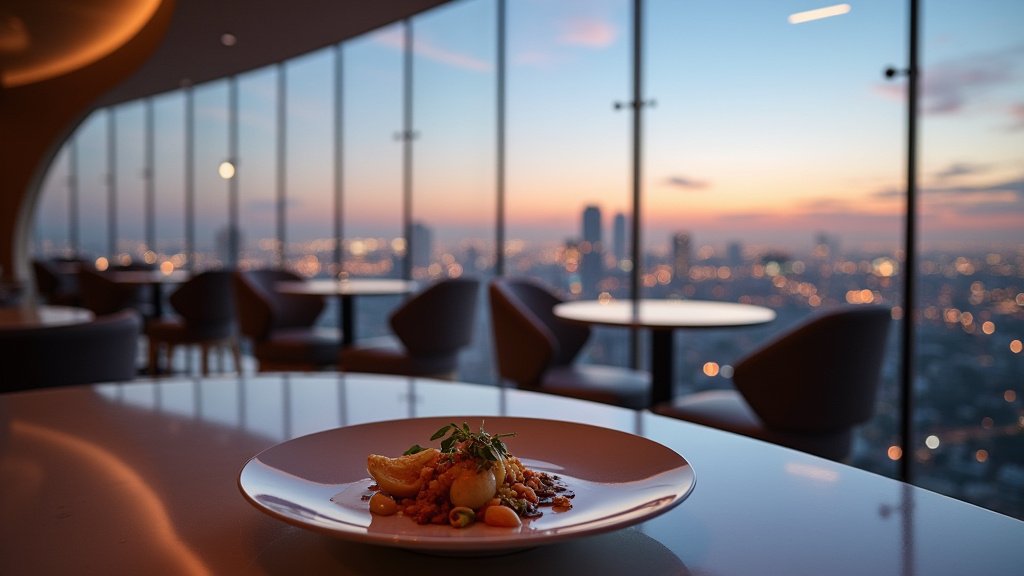
The culinary landscape of Los Angeles has witnessed a seismic shift with the arrival of Skywalker Grill, the crown jewel of the Lucas Museum of Narrative Art in Exposition Park. As a destination that blends avant-garde architecture with a high-concept dining experience, it has rapidly eclipsed established titans of the city’s food scene to become the most sought-after reservation in Southern California. The demand is unprecedented, leaving seasoned diners and local food critics alike scrambling to navigate a booking system that seems designed to frustrate even the most persistent reservation hunters.
The Architecture of Aspiration
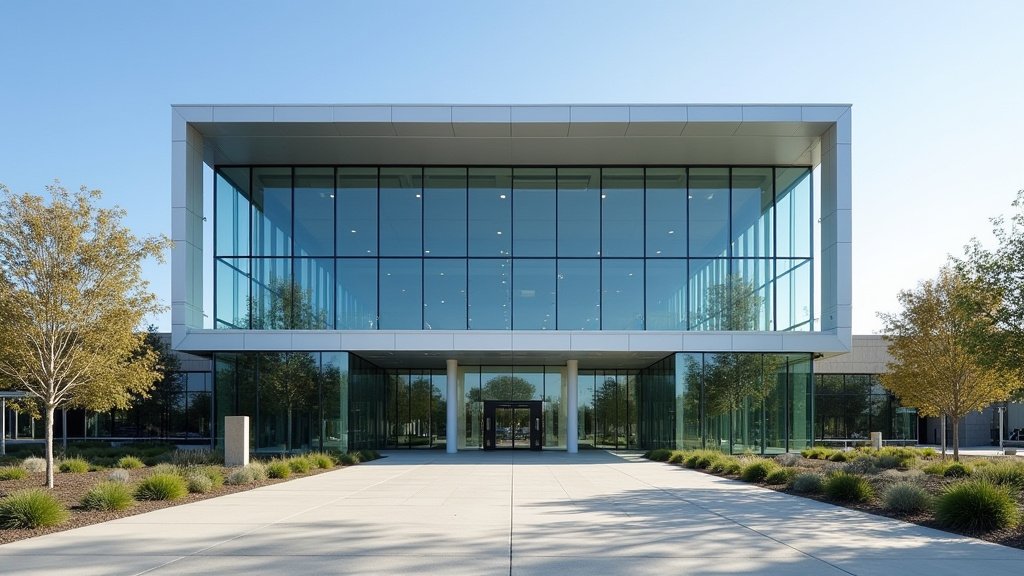
The allure of Skywalker Grill begins before a guest even tastes a single appetizer. Situated at the zenith of the Lucas Museum of Narrative Art—a structure already lauded for its futuristic, flowing silhouette—the restaurant offers panoramic views that stretch from the historic landmarks of Exposition Park to the shimmering expanse of the downtown Los Angeles skyline. The design philosophy here is ‘narrative-centric,’ a nod to the founder’s vision for the museum itself. The interior features sweeping curves, muted metallic tones, and floor-to-ceiling glass partitions that dissolve the boundary between the interior fine dining space and the vast open sky.
Architectural critics have noted that the restaurant’s layout is intentionally intimate. By prioritizing fewer tables to ensure a bespoke experience for every guest, the management has inadvertently—or perhaps strategically—created a scarcity loop. The restaurant doesn’t just serve food; it sells a vantage point. The transition from the grounded, art-heavy corridors of the museum below to the ethereal, airy atmosphere of the rooftop dining room creates a psychological ‘ascent’ that adds immense value to the dining experience.
Culinary Philosophy: Narrative on a Plate
Under the direction of a carefully curated culinary team, the menu at Skywalker Grill is an exercise in ‘storytelling through sustenance.’ The kitchen leans into a hyper-seasonal, California-forward ethos, but with distinct thematic nods to the global nature of narrative art. Guests are not merely ordering a meal; they are navigating a curated journey of flavor profiles that are intended to be as complex and layered as the art housed in the museum below.
Signature dishes are already gaining viral traction on social media, even as they remain elusive in reality. The ‘Hero’s Journey’ tasting menu, for instance, is rumored to evolve in color and intensity as the course progresses, mirroring the classic structure of myths and legends. This commitment to the conceptual elevates the dining room from a mere convenience for museum-goers to a destination in its own right, capable of drawing a crowd entirely independent of the gallery exhibits.
The Booking Paradox
Why is a table at Skywalker Grill nearly impossible to secure? The answer lies in a confluence of high demand and restrictive inventory. The reservation platform typically releases tables in tight, thirty-day windows, and they are consistently snapped up within seconds of becoming active. Insider reports suggest that the system is besieged by both manual power-users and automated reservation bots, creating a digital gold rush that favors the swift and the technologically equipped.
Furthermore, the restaurant has adopted a ‘dynamic seating’ policy, where certain prime-time tables are reserved for museum benefactors, private event buyouts, and institutional partners, further shrinking the pool of available seats for the general public. For the average diner, the experience of trying to book a table at Skywalker Grill has become a recurring social ritual—a test of patience and perseverance that is, in itself, creating a culture of exclusivity.
The Future of Exposition Park
The emergence of Skywalker Grill is not an isolated event; it is a catalyst for the broader revitalization of Exposition Park. By establishing a high-end, late-night culinary destination in an area historically dominated by daytime attractions, the Lucas Museum is signaling a shift toward a 24-hour cultural ecosystem. This impact is being felt in local real estate, nearby hospitality ventures, and the overall perception of the neighborhood.
While critics argue that such exclusivity can create barriers to entry for the local community, the restaurant maintains that its commitment to the area is long-term. As the museum continues to ramp up its programming, industry experts predict that the Grill will act as a primary anchor, influencing everything from urban infrastructure updates to the development of surrounding nightlife and retail spaces. It is a bold, high-stakes gamble on the future of Los Angeles as a holistic, narrative-driven city, and for now, the city is paying close attention—even if it can’t quite get a seat at the table yet.