California’s legislative landscape has undergone a seismic shift, creating a robust legal pathway for the heirs of Holocaust victims to reclaim art and personal property seized by the Nazi regime. This legislative development has effectively dismantled the traditional “statute of limitations” defense that museums and private collectors have relied upon for decades, triggering a fresh wave of high-stakes litigation. The epicenter of this legal earthquake is California, where recent statutes have paved the way for lawsuits involving institutions ranging from prestigious art galleries in Los Angeles to the somber collections held at the Auschwitz-Birkenau State Museum.
The Legislative Catalyst: Overriding Time Limits
The core of this renewed conflict lies in the legislative attempt to address the “provenance gap.” For years, claimants attempting to recover art were blocked by statutes of limitations—laws that imposed a strict timeframe on when a legal claim could be filed after an alleged theft or loss. In many cases, families were unaware of the location or true provenance of the art until long after these windows had closed.
California’s recent legislative efforts, inspired by the federal Holocaust Expropriated Art Recovery (HEART) Act of 2016, have effectively reset the clock. By establishing that the statute of limitations for such claims does not begin until a claimant has actual knowledge of the art’s location and identity, the state has empowered plaintiffs to bring cases that were previously considered legally “dead.” This shift has forced major institutions into a defensive posture, requiring them to engage in exhaustive and often expensive provenance research to defend their holdings.
The Los Angeles Nexus: A Hub of Contested Ownership
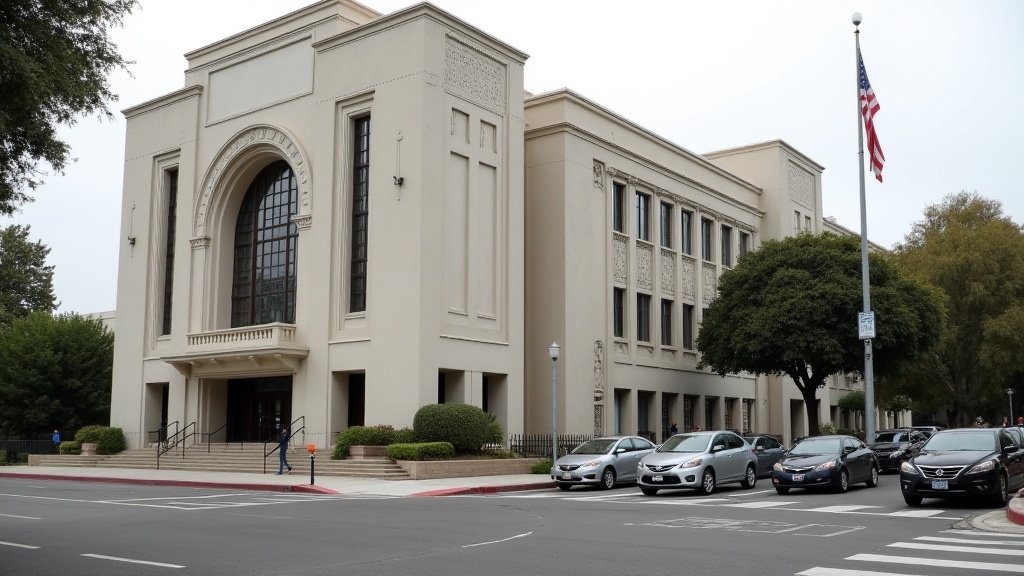
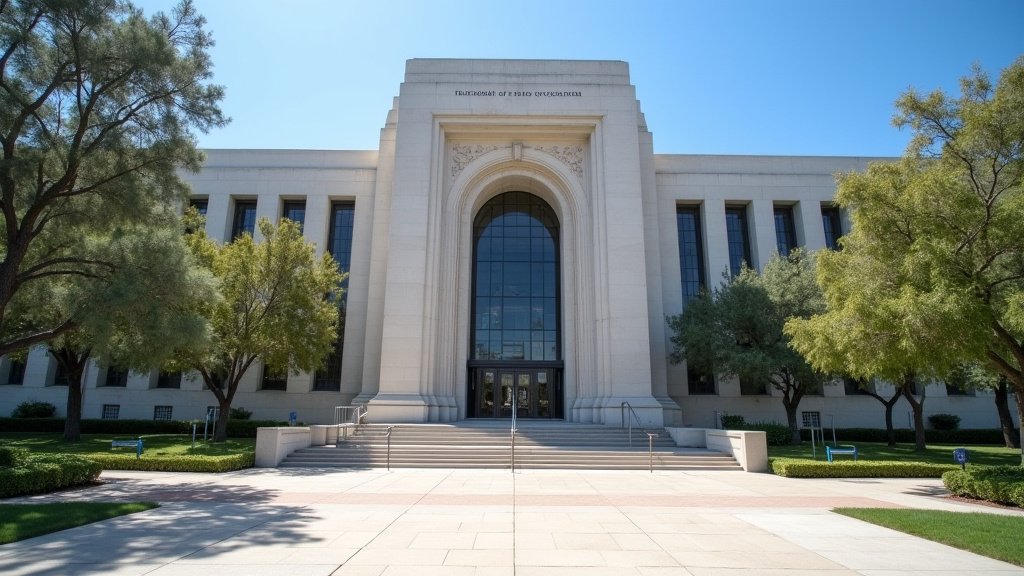
Los Angeles serves as a critical front in this battle due to its concentration of high-value art collections. Private collectors, auction houses, and public institutions like the Los Angeles County Museum of Art (LACMA) and the J. Paul Getty Museum operate within a jurisdiction that is now uniquely friendly to restitution claimants.
Legal experts note that the “Los Angeles nexus” is characterized by a mix of high-value Impressionist and Modernist works that often passed through complex channels during the 1930s and 1940s. When these works appear on the market or are donated to museums, they become flashpoints. The current litigation strategies are moving beyond simple ownership claims; they are now leveraging forensic provenance research—using shipping manifests, Nazi-era inventory logs, and archival sales records—to prove “duress sales,” where Jewish owners were forced to sell assets at a fraction of their value before fleeing Europe.
The Auschwitz-Birkenau Dimension: Memory vs. Materiality
Perhaps the most complex aspect of this legal fight concerns the Auschwitz-Birkenau State Museum. While typically viewed as a site of historical memory rather than a traditional art repository, the museum holds vast collections of personal effects and, occasionally, artifacts that fall under the broader umbrella of “looted property.”
When claimants target institutions associated with memorial sites, the stakes are not merely financial; they are deeply symbolic and diplomatic. The legal challenge here is distinguishing between items that are “memorial” (objects intended to be preserved as part of the historical site’s integrity) and those that qualify for individual restitution. Recent legal filings have begun to test whether sovereign immunity, which often protects foreign institutions from U.S. lawsuits, can be pierced if the items were moved or acquired through international commerce. This sets a dangerous precedent for international museums that hold such collections, as they must now navigate the possibility of U.S. court judgments that could compel the return of items viewed as foundational to their national memory.
The Provenance Research Crisis
The surge in litigation has led to a “provenance crisis” within the curatorial world. Museums are now under immense pressure to digitize their collections and make ownership records transparent. Failure to do so is no longer just a reputation risk; it is a legal liability. Curators are increasingly required to act as forensic historians, tracing the path of a canvas from an initial seizure in a Berlin apartment in 1938 to a Manhattan auction house in 1955, and finally to a Los Angeles gallery in 2024.
Furthermore, the digital age has democratized this research. Claimants and specialized NGOs now have access to databases that were previously restricted to high-level academics. This asymmetric information balance—where plaintiffs are increasingly well-resourced with historical data—has significantly weakened the bargaining power of institutions that previously relied on the obscurity of their acquisition histories.
Future Outlook: A Global Domino Effect
What happens in California courts is likely to ripple outward. If domestic laws continue to broaden the definitions of “looted property” and extend the ability to sue for its recovery, international institutions will find it increasingly difficult to loan works to, or host exhibitions in, the United States. A “chilling effect” is emerging, where museums are hesitant to move collections across borders for fear of seizure by local authorities acting on behalf of claimants. This paradox—where legal justice for one family may lead to the isolation of historical artifacts from public view—remains the central tension in this ongoing saga. The coming decade will likely see the development of an international arbitration framework, as the current model of piecemeal, state-by-state litigation proves both costly and unpredictable for all parties involved.