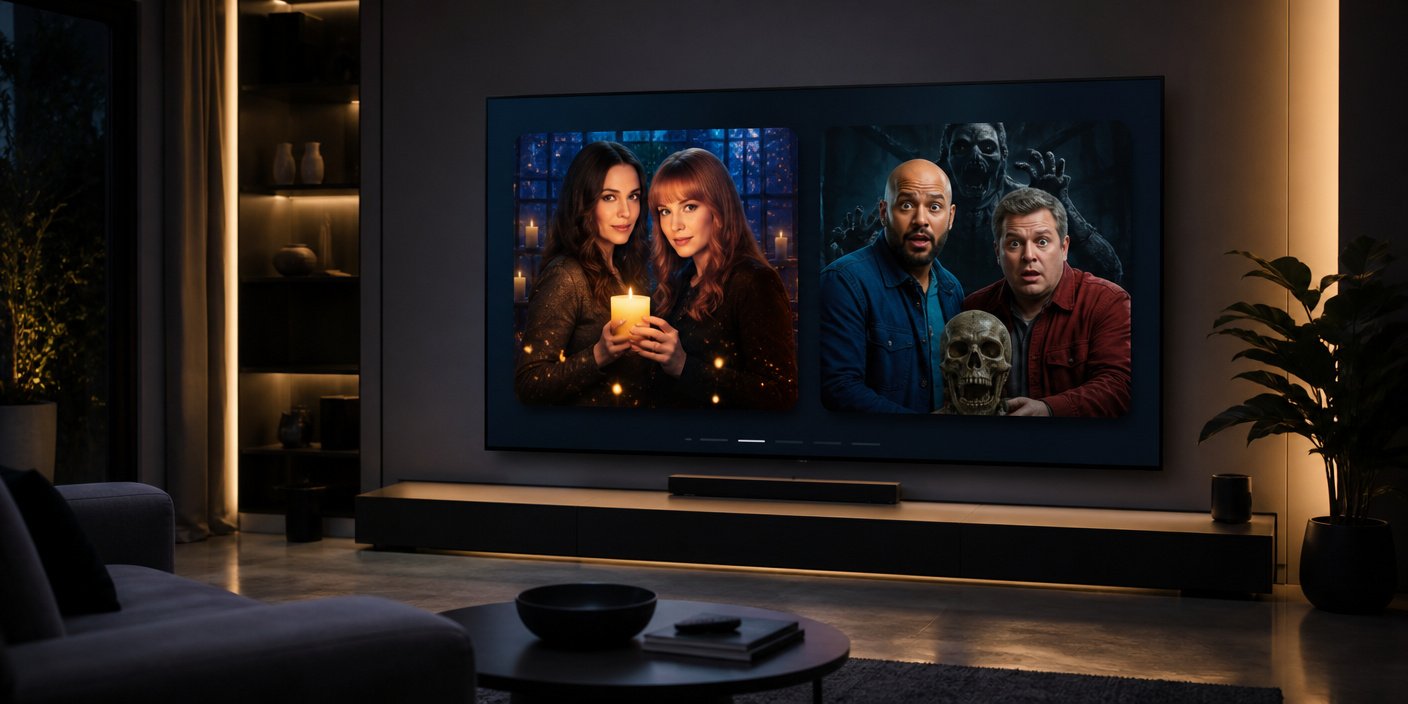
Hollywood and streaming platforms are increasingly criticized for profiting from and distributing content that perpetuates racism, xenophobia, and Islamophobia. Controversial films and series are being framed as “anti-woke” vehicles, masking a deliberate exploitation of fear and division for substantial financial gain.
Key Highlights
- Hollywood profits from narratives promoting racism, xenophobia, and Islamophobia.
- Films like “Citizen Vigilante” and “Run, Fight, Hide: Infidels” exploit societal anxieties.
- Industry claims of “audience demand” are contradicted by declining representation, particularly for Latinos.
- Consumers possess the ultimate power to demand better, more inclusive storytelling.
- Studios and filmmakers have a moral and ethical responsibility to reject harmful narratives.
The Amplification of Harmful Narratives in Entertainment
The entertainment industry, encompassing both traditional Hollywood studios and modern streaming platforms, faces significant scrutiny for its role in disseminating harmful stereotypes and narratives. Content that leans into racism, xenophobia, and Islamophobia is not only being produced but actively promoted and distributed, often under the guise of catering to specific audience segments or pushing back against perceived “woke” ideologies. This strategy, however, is largely seen as a cynical ploy to exploit existing societal anxieties and divisions for commercial benefit. Films such as “Citizen Vigilante,” which reportedly features an American protagonist engaging in violence against immigrants and Muslims, and “Run, Fight, Hide: Infidels,” a title that evokes post-9/11 anxieties, are cited as examples of this trend. These narratives, rather than reflecting genuine artistic merit or audience desire for nuanced storytelling, appear designed to tap into and amplify fear, thereby driving engagement and, consequently, profit.
Challenging the “Audience Demand” Defense
Industry executives often defend the production of such content by asserting that it merely reflects what audiences want to see. However, this argument is increasingly being challenged by data and industry analysis. A notable report highlighted a significant decline in Latino representation on screen, directly contradicting the notion that the industry is accurately responding to or shaping diverse audience tastes. This discrepancy suggests that the content being prioritized is not necessarily a direct response to consumer demand for authentic representation, but rather a calculated business decision driven by perceived marketability of fear-based or divisive themes. The responsibility, therefore, extends beyond simply reflecting audience preferences; it involves actively shaping a more inclusive and responsible media landscape.
The Power of Consumer Choice and Industry Responsibility
The ultimate power to shift Hollywood’s narrative direction lies with the consumers. By actively demanding better, more diverse, and less harmful content, audiences can influence what studios and distributors choose to produce and promote. This extends to supporting independent filmmakers and diverse stories that challenge the status quo. Concurrently, studios, distributors, and filmmakers themselves bear a significant ethical responsibility. They must proactively reject harmful narratives, invest in stories that reflect the true diversity of human experience, and prioritize content that fosters understanding and empathy over division and fear. The shift Hollywood needs is not just about ratings or profit margins; it’s about recognizing the profound societal impact of the stories it tells and choosing to tell them responsibly.
Secondary Angles Explored
Historical Context of Hollywood’s Influence: Hollywood has a long history of both reflecting and shaping societal attitudes, including perpetuating harmful stereotypes. Early Westerns, for instance, often portrayed Native Americans in monolithic, negative ways, while films during wartime frequently demonized enemy nations. The current trend of exploiting fear-based narratives can be seen as a continuation of this historical pattern, adapted for a modern, fragmented media environment.
Economic Drivers of Controversial Content: The financial incentives for producing controversial content are substantial. Such films and series often generate buzz, drive viewership through outrage or controversy, and can be marketed effectively to specific demographics eager for “anti-establishment” or “politically incorrect” entertainment. This economic model prioritizes short-term engagement over long-term social impact.
The Rise of Streaming and Content Fragmentation: The proliferation of streaming services has led to an unprecedented volume of content. While this offers more opportunities for diverse stories, it also creates an environment where niche, often problematic, content can find an audience and be amplified. Platforms compete fiercely for subscriber attention, sometimes at the expense of editorial responsibility.
FAQ: People Also Ask
Q1: What types of harmful content are being highlighted in Hollywood?
A1: The article points to content that perpetuates racism, xenophobia, and Islamophobia. Examples include films that depict violence against immigrants and Muslims or lean into anxieties related to post-9/11 fears.
Q2: How does the industry justify producing such content?
A2: The industry often justifies such content by claiming it reflects audience demand. However, this defense is challenged by evidence of declining representation for certain groups.
Q3: What evidence challenges the “audience demand” argument?
A3: A report indicating a decline in Latino representation on screen directly contradicts the idea that the industry is accurately responding to audience demand for diverse content.
Q4: Who has the power to change the narratives Hollywood promotes?
A4: The article asserts that consumers hold the ultimate power by demanding better and more diverse storytelling. Additionally, studios, distributors, and filmmakers have a responsibility to reject harmful narratives.
Q5: What is the suggested alternative to fear-based storytelling?
A5: The alternative proposed is for the industry to embrace stories that reflect diverse realities and human experiences, fostering understanding and empathy rather than division and fear.