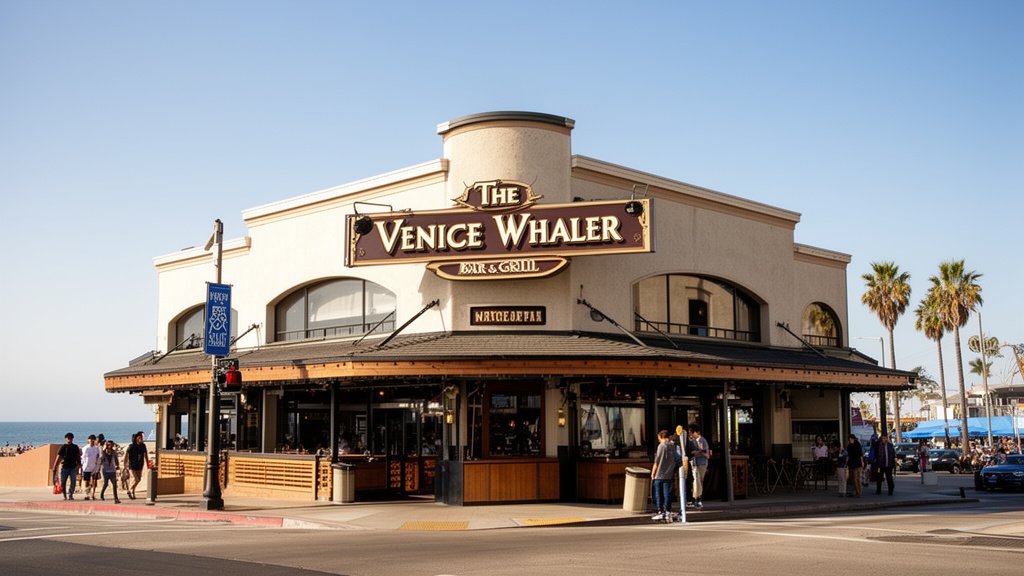
The Venice Whaler Bar & Grill, a fixture of the Los Angeles coastline since 1944, has officially entered Chapter 11 bankruptcy proceedings. Legal filings indicate the iconic venue is managing approximately $6.7 million in debt. This strategic move, common among businesses seeking to reorganize rather than liquidate, signals a critical turning point for one of the most recognizable establishments on Washington Boulevard and the broader Venice Beach pier area. Despite the financial distress, management has signaled an intention to continue operations as the business seeks court-approved avenues to shed liabilities and stabilize its balance sheet.
Key Highlights
- Bankruptcy Filing: The Venice Whaler has filed for Chapter 11, allowing for operational restructuring under U.S. Bankruptcy Court supervision.
- Financial Burden: Total debt is currently reported at approximately $6.7 million.
- Historical Status: Established in 1944, the venue has hosted cultural icons, including The Beatles and The Doors, cementing its status as a local landmark.
- Operational Intent: The filing is structured to facilitate restructuring, with the venue remaining open to patrons during the legal process.
Navigating the Restructuring of a Coastal Landmark
The decision to file for Chapter 11 bankruptcy is rarely taken lightly, particularly for an establishment with the cultural and historical pedigree of the Venice Whaler. Located at the literal end of the line on Washington Boulevard, the venue has served as a gateway to the Venice Pier for eight decades. The filing of this petition brings the financial complexities of maintaining a high-traffic, historic hospitality venue in the modern era into sharp focus.
Understanding Chapter 11: Survival Over Liquidation
For the uninitiated, it is vital to distinguish between Chapter 7 and Chapter 11 bankruptcy. Unlike a Chapter 7 filing, which typically results in the liquidation of assets and the permanent cessation of business operations, Chapter 11 is designed for reorganization. For the Venice Whaler, this legal framework provides a “breathing spell”—an automatic stay—that pauses collection efforts by creditors.
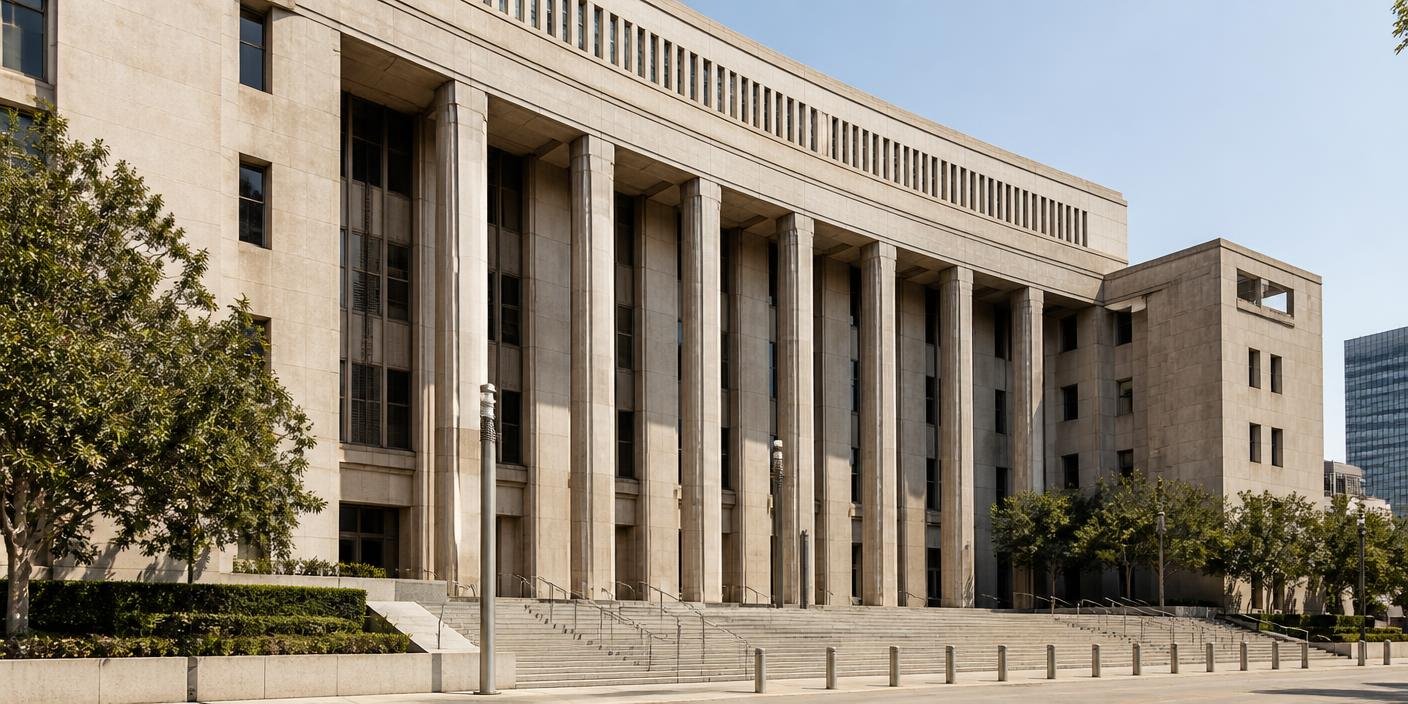
This window is essential for the business to propose a plan of reorganization. The goal is to restructure debt obligations, renegotiate potentially unfavorable lease or supply contracts, and emerge as a viable entity. The $6.7 million debt load suggests a significant leverage challenge, likely accrued through a combination of capital improvements, historical operating costs, and the volatile nature of the post-pandemic hospitality economy in Southern California. The court will now oversee the process of determining how these debts will be serviced or adjusted, a process that can take several months or even years depending on the complexity of the creditors’ claims.
A Legacy Under Pressure: The 1944 Heritage
The Venice Whaler’s identity is inextricably linked to the history of Venice Beach. Since its inception in 1944, the venue has survived shifting demographics, economic downturns, and the rise and fall of various cultural trends. From the bohemian era of the 1960s and 70s to the tech-driven gentrification of the 2010s, the Whaler has been a constant.
However, historic venues face unique challenges. Older buildings often require substantial maintenance to meet modern code compliance, and prime coastal real estate comes with exorbitant rent and insurance premiums. When a business relies on high-volume foot traffic, even minor deviations in attendance or increases in overhead can lead to cash flow deficits. The bankruptcy filing essentially serves as a mechanism to address these structural costs, allowing the Whaler to adjust its operational model to match today’s economic reality without forfeiting its physical location.
The Future of the Venice Hospitality Economy
The broader hospitality industry in Los Angeles is watching this case closely. The Venice Whaler is not an isolated case; many legendary venues across California have struggled with rising labor costs, inflation, and shifting consumer habits. If the Whaler successfully navigates its reorganization, it could provide a roadmap for other legacy businesses facing similar financial cliffs. Conversely, the case highlights the fragility of iconic institutions. Even a destination with high name recognition and consistent traffic can find itself caught in the vise of debt.
Patrons and stakeholders should view this as a period of transition. The filing does not necessarily imply imminent closure; rather, it indicates that the current business model reached a financial impasse that required judicial intervention to resolve. For the community, the hope remains that the restructuring will allow the Venice Whaler to modernize its services while preserving the atmospheric appeal that has attracted locals and tourists for nearly 80 years.
FAQ: People Also Ask
Is the Venice Whaler closing permanently?
No. A Chapter 11 filing is specifically designed for business reorganization, not liquidation. The venue intends to remain open and operate throughout the bankruptcy proceedings.
What caused the $6.7 million debt?
The specific details regarding the origin of the $6.7 million in debt are contained within the bankruptcy petition filings in the U.S. Bankruptcy Court. Generally, such debt is an accumulation of operational expenses, high-interest financing, vendor liabilities, and potential legal judgments or lease obligations.
Can I still visit the Venice Whaler?
Yes. The bankruptcy process is a legal restructuring tool. Unless an order from the U.S. Bankruptcy Court dictates otherwise, the venue continues to function as a business, welcoming guests for dining and events.
What happens next in the court process?
The management will work with legal counsel to propose a reorganization plan to the court and its creditors. Creditors will have the opportunity to vote on or contest the plan, and the judge will ultimately determine if the restructuring is feasible and fair.