
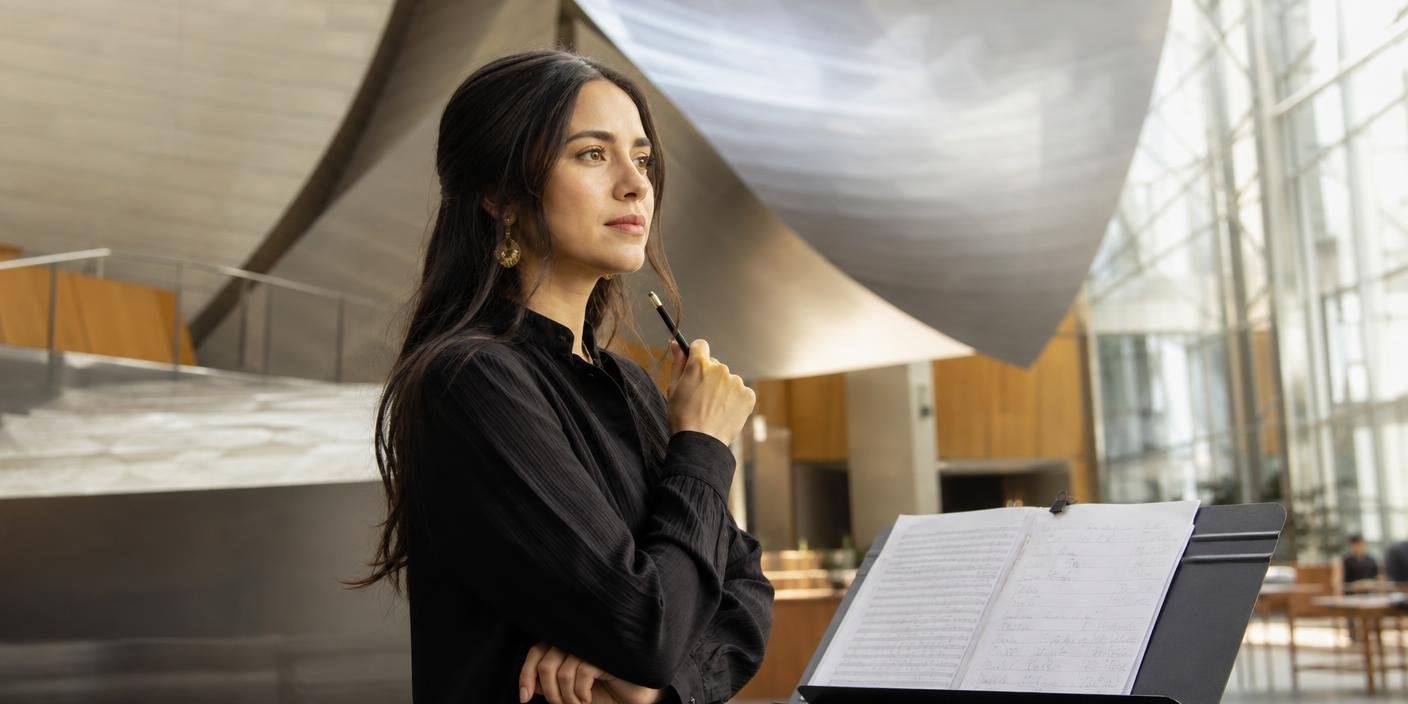
Grammy-winning musician Silvana Estrada is taking on a pivotal role at the Los Angeles Philharmonic, where she has been selected to program the institution’s Latin music series. This strategic appointment is designed to diversify and deepen the Los Angeles Philharmonic’s Latin music offerings, bringing a fresh, artist-led perspective to one of the world’s most prestigious concert venues. By integrating Estrada’s unique sensibilities into the organizational framework of the LA Phil, the institution seeks to bridge the gap between traditional orchestral performance and the vibrant, evolving landscape of Latin American music.
Key Highlights
- Silvana Estrada, the 2022 Latin Grammy winner for Best New Artist, assumes the curatorial role to shape the LA Phil’s Latin programming.
- The initiative is a deliberate effort by the institution to expand its reach and resonance within Los Angeles’s diverse demographic landscape.
- Estrada will focus on blending contemporary Latin genres with the symphonic traditions inherent to the Walt Disney Concert Hall.
- This move reflects a broader trend of major cultural institutions empowering working artists to influence the programmatic direction of symphonies and concert halls.
Harmonizing Heritage and Innovation: The Estrada Era
The appointment of Silvana Estrada as a curator for the Los Angeles Philharmonic is not merely a logistical staffing decision; it is a profound artistic statement. Estrada, known for her intimate, poetry-driven compositions and her ability to weave the threads of Mexican folk traditions into modern pop and jazz, brings a distinct aesthetic to the LA Phil. Her selection signals a move away from the traditional, top-down programming models that have historically dominated classical music institutions. Instead, the LA Phil is embracing a model that prioritizes authentic cultural representation, inviting an artist to curate the very sounds that define the region.
The Curator-Artist Paradigm
In the modern landscape of the performing arts, the distinction between ‘performer’ and ‘curator’ is increasingly blurring. For the Los Angeles Philharmonic, bringing in a voice like Estrada’s—someone who is currently shaping the sound of modern Latin music—ensures that the programming remains relevant to younger, more diverse audiences. This is not about simply booking acts; it is about building a cohesive narrative arc across a season that speaks to the complex, multifaceted identity of Los Angeles. Estrada’s task will likely involve a delicate balancing act: honoring the historical significance of Latin music while pushing the boundaries of what a symphonic audience expects to hear in the hallowed acoustics of the Walt Disney Concert Hall.
Strategic Cultural Deepening
Why choose a performer for such a strategic role? The answer lies in the nuance of cultural translation. A standard programming committee, while musically literate, may lack the lived, day-to-day experience of the contemporary Latin American music scene. By giving Estrada the reins to program, the LA Phil gains access to a network of collaborators, rising stars, and experimental artists that might otherwise remain outside the orbit of a major institution. This deepens the institution’s offerings by ensuring that the ‘Latin music’ presented is not a monolith, but a dynamic, evolving ecosystem. It moves the conversation beyond tokenism and into the realm of true artistic partnership, where the curation itself becomes a creative work.
Reimagining the Concert Experience
For the audiences, this transition promises a revitalized concert experience. Expect the Walt Disney Concert Hall to host a broader spectrum of sounds—from the raw, emotive storytelling of chamber-folk to the complex arrangements of modern Latin jazz and avant-garde fusion. This isn’t just about diversification; it is about the evolution of the concert hall as a community anchor. As the LA Phil continues to navigate a changing cultural landscape, the partnership with Estrada provides a clear path forward: one that prioritizes artistic integrity, cultural depth, and the relentless pursuit of new auditory frontiers.
FAQ: People Also Ask
Q: What specific influence does Silvana Estrada bring to the LA Phil?
A: Estrada brings a background in jazz, Latin American folk, and poetry. Her influence will likely manifest in programming that favors intimate, lyric-driven, and genre-bending performances, moving away from more conventional or ‘pop’ Latin arrangements.
Q: How does this appointment impact the diversity of the LA Phil?
A: This move is a strategic effort to deepen the institution’s engagement with the Latinx community in Los Angeles. By hiring a working artist as a curator, the LA Phil ensures that the programming is reflective of, and connected to, contemporary Latin American cultural movements.
Q: Does this mean Silvana Estrada will perform exclusively at the LA Phil?
A: No. Her role is primarily curatorial—selecting artists, shaping programming themes, and overseeing the artistic direction of the Latin music series. While she may appear as a performer, her primary contribution will be administrative and artistic leadership.
Q: Why is the LA Phil investing in ‘artist-curators’?
A: Many large symphonies are realizing that legacy programming models can sometimes feel disconnected from modern audiences. Empowering artists as curators allows the institution to tap into the authentic, underground, and emerging trends in music, keeping the institution relevant and culturally resonant.