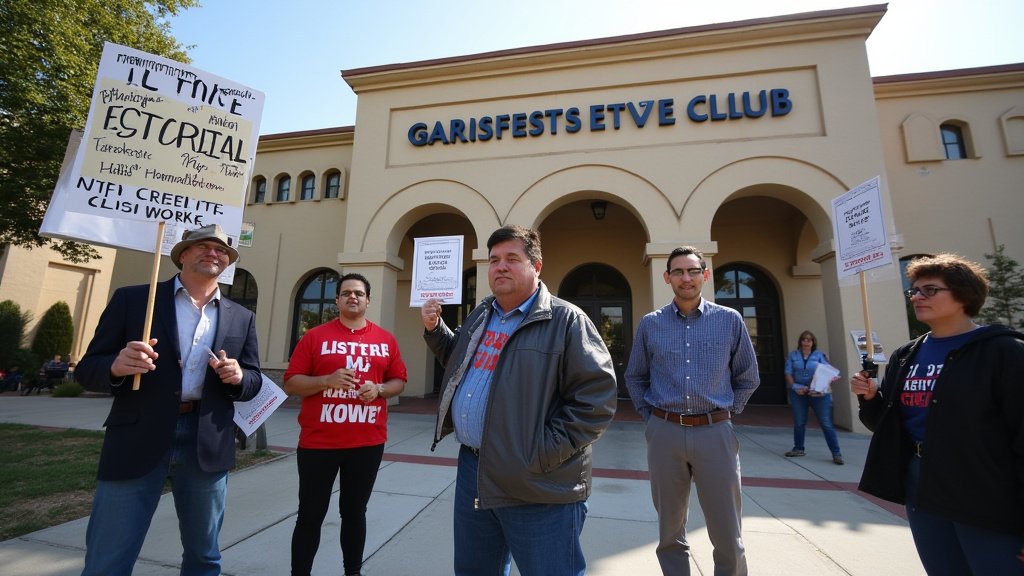
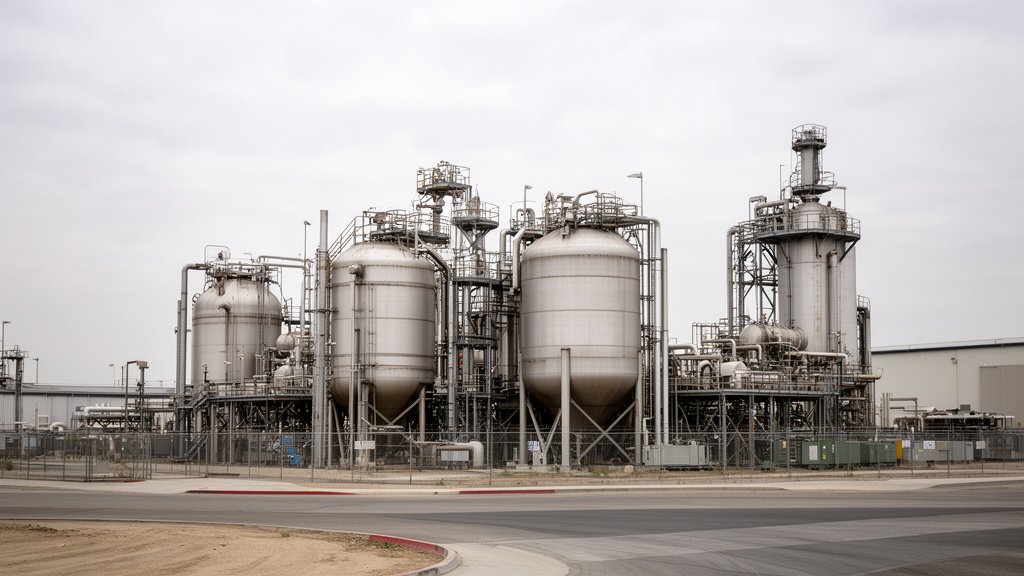
The California Board of Environmental Safety (BES) has launched a high-stakes review of the Phibro-Tech hazardous waste facility in Santa Fe Springs, Los Angeles County, signaling a potential turning point for industrial regulation in the state. This administrative intervention represents one of the first significant tests of the BES’s expanded authority, a power granted by the legislature to address the cumulative impacts of toxic industrial operations on overburdened, historically marginalized communities. For residents living in the shadow of the metal-recovery plant, the scrutiny comes as a long-overdue response to years of organized protest and mounting anxiety regarding air quality, chemical handling, and site safety.
The Regulatory Shift: SB 673 in Action
The current administrative pressure on Phibro-Tech is not an isolated bureaucratic hiccup; it is the direct application of Senate Bill 673, legislation designed to fundamentally alter how California manages hazardous waste. Prior to this, permit renewals and safety protocols were often viewed by critics as rubber-stamp exercises. The Board of Environmental Safety, established through this legislative push, now holds the mandate to scrutinize not only the compliance records of facilities like Phibro-Tech but also the broader environmental justice context of their locations.
For Phibro-Tech, which operates a specialized facility dealing with metal-bearing hazardous waste, the ‘short leash’ implies a multi-layered review process. Regulators are now tasked with evaluating whether the facility’s historical operational footprint aligns with modern safety standards and whether the existing permit conditions sufficiently protect the surrounding residential neighborhoods. This review is exhaustive, forcing the company to justify its ongoing presence and operational protocols under a microscope that barely existed a decade ago.
The Geography of Protest: A Community’s Demand for Safety
Santa Fe Springs and the surrounding Southeast Los Angeles County region have long served as an industrial hub. However, the density of hazardous waste facilities, manufacturing plants, and heavy transit corridors has led to a ‘pollution burden’ that far exceeds the state average. Local community groups, including dedicated environmental justice activists and neighborhood associations, have maintained a consistent, vocal presence at public hearings and board meetings.
Residents cite recurring odors, the constant proximity of heavy transport vehicles carrying toxic materials, and the pervasive fear of potential catastrophic leaks. These protests have moved beyond mere complaints; they have become sophisticated advocacy efforts that use air monitoring data, health outcome statistics, and legal pressure to hold both the facility and the state accountable. The BES’s decision to engage in this deep-dive review is viewed by many as a tangible victory for this grassroots mobilization, demonstrating that persistent community pressure can effectively shift the regulatory needle.
Operational Scrutiny and Environmental Justice
The review process is multifaceted. It touches upon the technical aspects of the plant’s chemical processing and storage, but it also delves into the cumulative impact—a concept gaining significant traction in environmental law. Cumulative impact assessment looks at the total environmental stress placed on a community, not just the isolated pollution from a single stack. If a facility operates in an area already saturated with smog and industrial runoff, the BES is now empowered to demand more stringent mitigation strategies than would be required in a less congested area.
For Phibro-Tech, this means the operational costs of compliance may rise. They are required to demonstrate that their safety mitigation systems, spill prevention plans, and emergency response capabilities are robust enough to withstand the scrutiny of a board that is no longer prioritizing industrial efficiency over public welfare. This shift creates a volatile business environment for hazardous waste operators in the state, who are essentially being asked to retrofit their operating models to meet a 21st-century environmental ethic.
Future Predictions: The Precedent for Hazardous Waste
The outcome of the Phibro-Tech review will likely set a legal and administrative precedent for how California handles other industrial sites in the future. If the BES succeeds in forcing significant operational changes or restrictive permit conditions, it will provide a playbook for communities across the state to challenge other facilities. Conversely, if the regulatory process fails to produce concrete safety improvements, it could trigger a legislative backlash, leading to even more radical proposals for industrial site closures or stricter, possibly unconstitutional, zoning limitations.
Industry analysts and environmental lawyers are watching closely. The tension between the economic necessity of hazardous waste processing—which is vital for industrial manufacturing in California—and the social imperative of protecting the health of neighborhoods creates a zero-sum game. As the review continues, the board must balance the technical requirements of the Resource Conservation and Recovery Act (RCRA) with the humanitarian requirements of the state’s environmental justice goals.
FAQ: People Also Ask
1. What is the California Board of Environmental Safety (BES)?
The BES is a relatively new oversight body created to provide a layer of accountability for the Department of Toxic Substances Control (DTSC). Its primary mandate is to manage hazardous waste permits, establish safety criteria, and ensure that environmental justice concerns are integrated into regulatory decision-making.
2. Why is Phibro-Tech under such intense scrutiny?
The facility is under scrutiny due to the combined pressure of sustained community protests and the state’s new, aggressive regulatory framework under SB 673. Residents have expressed long-standing concerns regarding the facility’s proximity to residential areas and the cumulative health impacts of its operations.
3. Will the facility be shut down?
While the review is intensive, the immediate goal of the BES process is to establish stricter operating conditions and enforce enhanced safety protocols. A total closure is a potential outcome if the facility is found to be in gross violation of safety standards or if it cannot meet the new, more rigorous criteria for hazardous waste management, but the current focus remains on heightened regulatory control.
4. What is SB 673?
Senate Bill 673 is the piece of legislation that granted the state the power to prioritize environmental justice in the permitting of hazardous waste facilities. It allows the DTSC and the BES to deny or restrict permits based on the facility’s past performance and its impact on the surrounding community’s cumulative pollution burden.