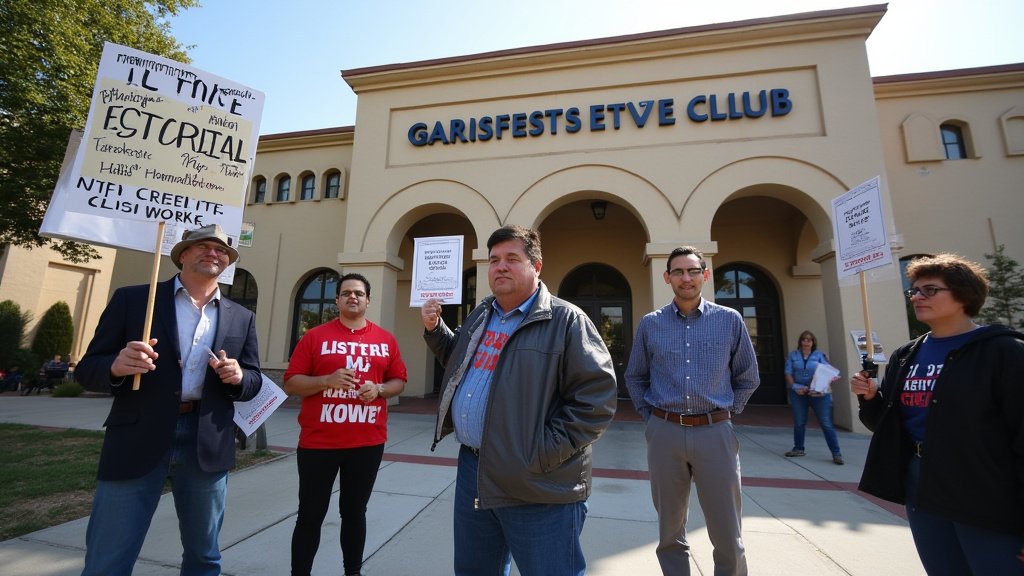
Approximately 100,000 California state employees are heading to the picket lines today, October 21, as SEIU Local 1000 orchestrates a high-stakes one-day walkout. The strike, centered on unresolved contract negotiations and deepening dissatisfaction with current labor conditions, is poised to create significant ripples across the state’s administrative infrastructure, with immediate impacts expected on DMV operations, unemployment offices, and various public service access points from Los Angeles to Sacramento.
Key Highlights
- Massive Participation: Roughly 100,000 state workers, representing a broad coalition under SEIU Local 1000, are participating in the one-day job action.
- Widespread Disruption: Citizens should anticipate significant delays or closures at DMV offices and unemployment service centers throughout the state.
- Core Grievance: The union cites a breakdown in contract negotiations, specifically pointing to unaddressed labor conditions and economic concerns as the primary drivers for the walkout.
- Scope: While the strike is slated for one day, the scale of participation across both Northern and Southern California underscores the intensity of the standoff between the union and state administrators.
Anatomy of the Walkout: Labor Tensions Erupt
The decision to strike follows months of tense negotiations between SEIU Local 1000—the largest bargaining unit for state employees—and the California Department of Human Resources (CalHR). At the heart of the dispute is a fundamental misalignment between the union’s demands for improved working conditions, increased wages, and workplace safety, and the state’s current budgetary and administrative parameters. For many rank-and-file workers, this walkout is the culmination of frustrations regarding staffing shortages and the rising cost of living, which they argue has outpaced their current compensation packages.
The Impact on Public Services
The operational impact of the strike is immediate and severe. By pulling nearly 100,000 personnel from their posts, the state government effectively loses its primary workforce for public-facing services. The California Department of Motor Vehicles (DMV) has already issued advisories warning residents of potential long wait times and limited service availability. Similarly, the Employment Development Department (EDD) is expected to face challenges in processing unemployment insurance claims and handling constituent inquiries. These are not merely administrative hurdles; for many Californians, these agencies provide essential lifelines, and a sudden cessation of services creates significant economic anxiety for households already operating on the margin.
The Standoff: CalHR vs. SEIU Local 1000
The standoff between the state and the union involves a complex interplay of administrative law and collective bargaining. The Public Employment Relations Board (PERB) typically monitors these disputes, ensuring that both parties adhere to the Taylor Law and other labor statutes governing public sector strikes. However, the sheer size of this walkout suggests that standard dispute resolution mechanisms have failed to yield a compromise. The union is signaling that without a significant shift in the state’s offer—particularly regarding long-term contract security and cost-of-living adjustments—this one-day strike could merely be the opening salvo in a longer, more protracted labor battle.
Broader Economic and Political Context
This labor action arrives at a critical juncture for Governor Gavin Newsom’s administration. With the state budget navigating complex fiscal pressures and the constant balancing act of maintaining public services while managing a massive workforce, the political stakes are high. The strike forces the administration to address the precarious nature of the state’s reliance on its workforce. Furthermore, the event serves as a bellwether for labor relations across the public sector in California; if SEIU Local 1000 succeeds in forcing concessions, it could embolden other bargaining units to adopt more aggressive tactics in their own negotiations. Conversely, a failure to extract concessions could weaken the union’s leverage in future bargaining sessions.
FAQ: People Also Ask
1. Will DMV offices be completely closed during the strike?
While some locations may remain open with skeleton crews or limited administrative staff, the majority of DMV and EDD offices are expecting severe service disruptions. It is highly recommended that residents check the official state website or call ahead before visiting any government office today.
2. What are the specific demands of SEIU Local 1000?
The union is primarily focused on securing better working conditions and a new contract that addresses current inflationary pressures. Their demands include competitive wage increases, improved health and safety protocols in office environments, and addressing chronic staffing shortages that have plagued state departments.
3. How long is this strike expected to last?
The strike is currently structured as a one-day action occurring on October 21. However, labor strikes of this magnitude often serve as bargaining pressure tactics. If negotiations between the union and the state remain deadlocked, further labor actions or extended strike periods have not been ruled out.
4. How can I manage my unemployment or DMV services during the walkout?
For urgent matters, online portals remain the most reliable method for accessing services, though users should be prepared for potential maintenance delays or slower processing times as state servers and support teams navigate the impact of the workforce reduction.