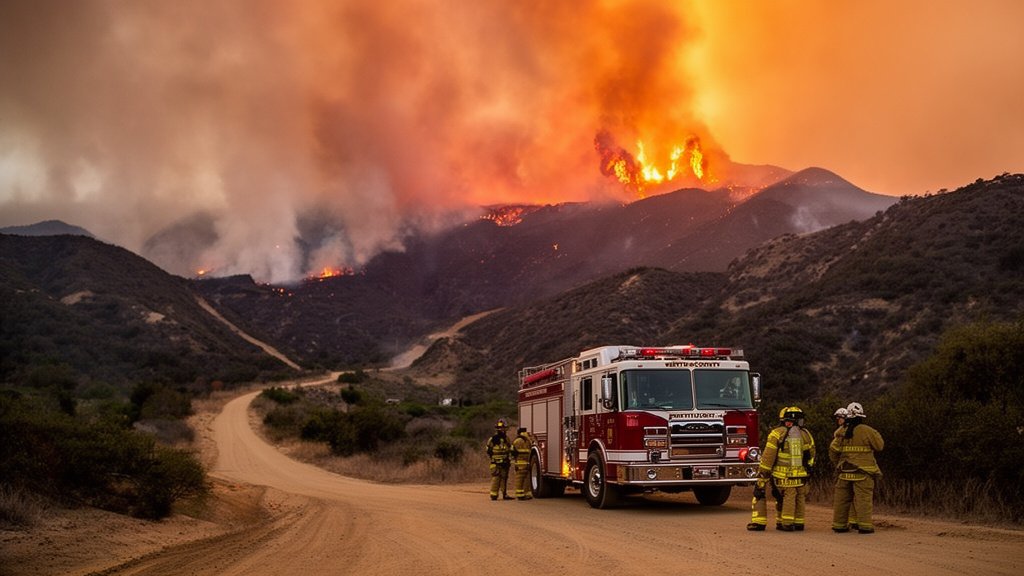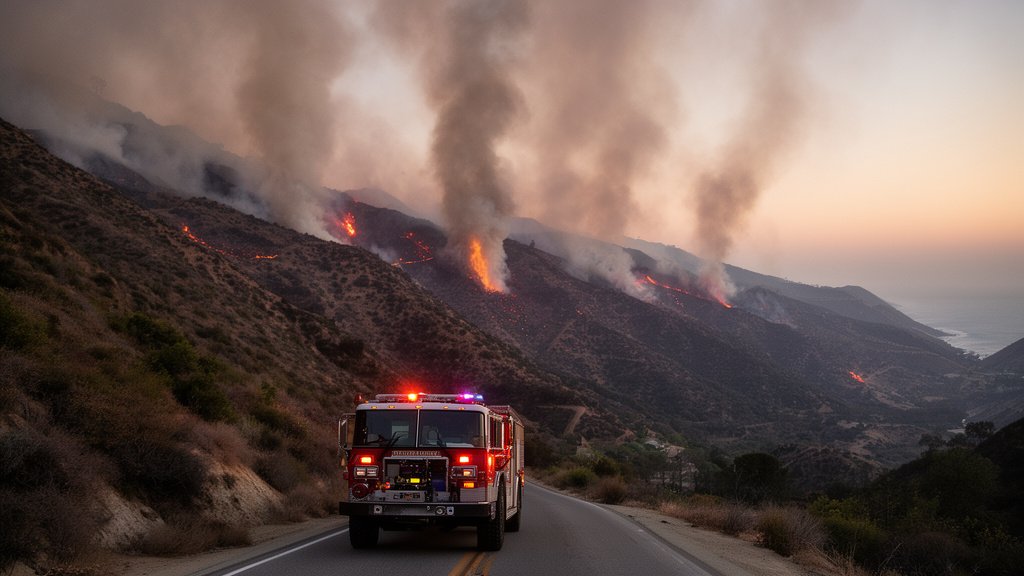
Southern California is currently facing a perilous fire weather event, driven by a volatile combination of record-high temperatures and fierce, arid winds. This intense meteorological setup has created a landscape ripe for combustion, with the Bryson Fire in Malibu and the Peak Fire in Azusa already necessitating immediate evacuations. Among the facilities affected, a juvenile detention center was forced to relocate its population, underscoring the severity of the threat. Authorities and utility providers are working in tandem to mitigate further disaster, with power shutoffs impacting thousands of residents as a precautionary measure to prevent additional ignitions.
Key Highlights
- Dual Fire Threats: The Bryson Fire in Malibu and the Peak Fire in Azusa are active, prompting emergency responses and immediate evacuation orders.
- Infrastructure Precaution: Southern California Edison (SCE) has implemented Public Safety Power Shutoffs (PSPS) across high-risk areas to minimize the likelihood of electrical equipment sparking new fires.
- Facility Evacuations: Critical infrastructure and sensitive sites, including a juvenile detention facility, have been evacuated to ensure public safety.
- Urgent Outlook: National Weather Service data indicates that these dangerous, arid conditions are expected to persist through Saturday, requiring heightened vigilance.
The Anatomy of a Southern California Firestorm
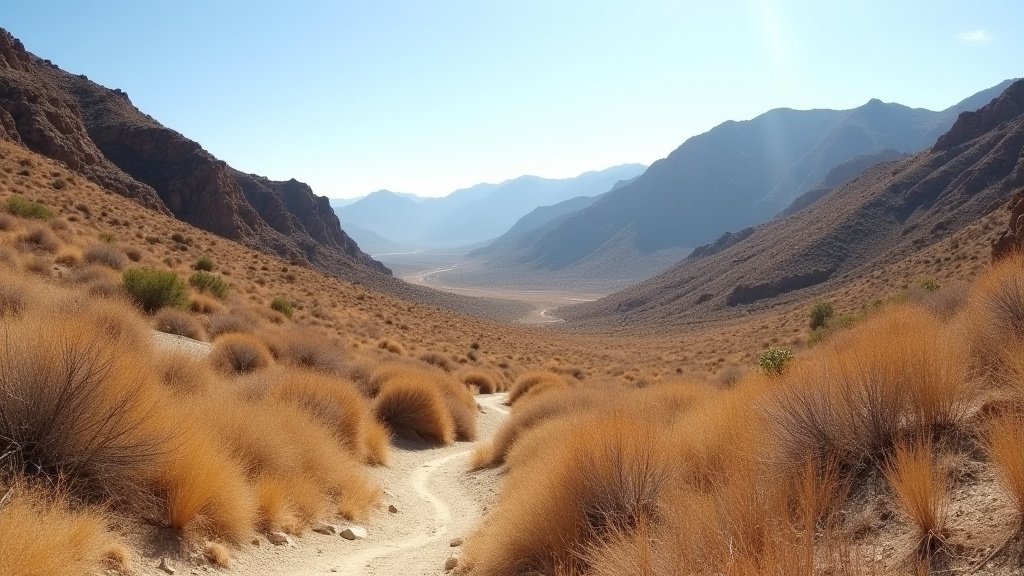
The current climate emergency in Southern California is defined by the classic “Red Flag” ingredients: extremely low humidity, high temperatures, and sustained Santa Ana winds. This weather pattern acts as a force multiplier for any spark, turning small brush fires into rapidly spreading wildfires that challenge even the most robust emergency containment strategies.
The Bryson and Peak Fires
The immediate tactical focus is on the containment of two distinct incidents. The Bryson Fire, located in the coastal canyons of Malibu, presents a unique challenge due to the difficult, steep terrain and the potential for wind-driven embers to leap across firebreaks. Simultaneously, the Peak Fire in Azusa is threatening urban-wildland interfaces, forcing residents to evacuate as the flames move toward residential pockets. Local fire departments, including the Los Angeles County Fire Department, are utilizing aerial water drops and ground crews to establish containment lines, but the erratic wind patterns have made progress inconsistent. The evacuation of the juvenile detention center near the Peak Fire zone serves as a grim reminder that these fires do not distinguish between public infrastructure and residential areas.
Infrastructure and the Power Shutoff Strategy
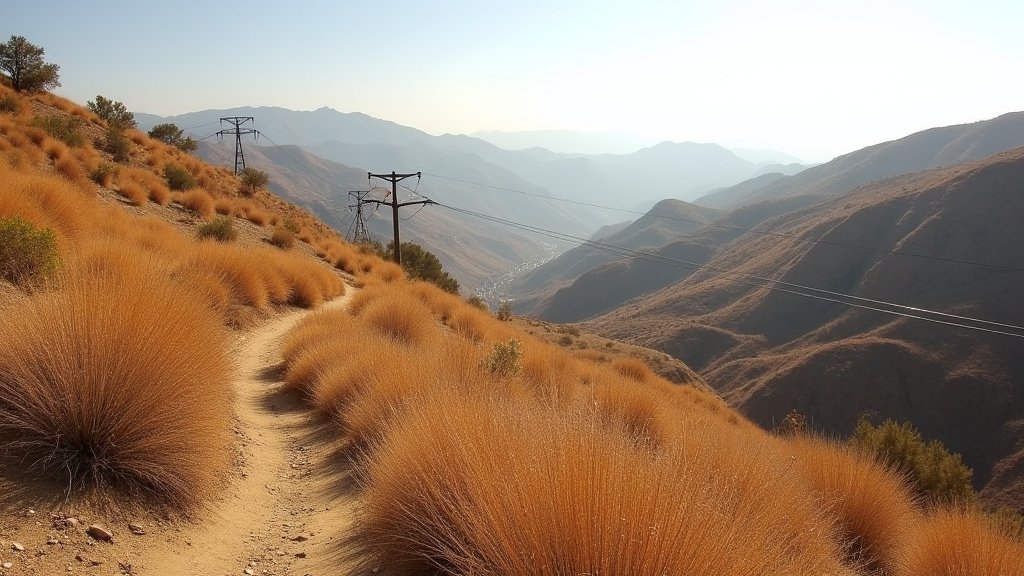
One of the most controversial yet necessary tools in California’s fire mitigation arsenal is the Public Safety Power Shutoff (PSPS). Southern California Edison (SCE) and other regional providers have proactively de-energized power lines in areas identified as having the highest wind-gust potential. While this strategy is designed to prevent electrical equipment from failing or sparking during high-wind events, it creates significant secondary challenges. For the residents and businesses in these zones, the loss of power—often lasting several days—disrupts communication, medical equipment, and local commerce. Officials are balancing the risk of a catastrophic wildfire against the economic and logistical strain of these blackouts, emphasizing that the decision to cut power is made only when the threat to life and property is deemed imminent.
The Psychological and Economic Toll
Beyond the physical destruction, there is a mounting psychological cost to living in fire-prone regions. For communities in Malibu, Azusa, and the broader Los Angeles basin, the “fire season” is no longer a seasonal event but a persistent, year-round anxiety. This constant state of alert impacts property values, insurance premiums, and the general well-being of the population. From an economic perspective, the ripple effects are significant: insurance companies are increasingly wary of covering homes in high-risk zones, and the cost of wildfire suppression—billions of dollars annually—continues to strain state and local budgets. As the climate shifts, the economic model of living in these picturesque, yet volatile, areas is being forced to adapt to a reality where natural disasters are the new normal.
Future Predictions and Climate Resilience
Meteorological models suggest that the frequency of these extreme fire weather events is increasing, linked directly to broader patterns of drought and warming trends. The Santa Ana winds, traditionally a seasonal phenomenon in late autumn, are now occurring with greater intensity and outside of typical windows. Urban planning, therefore, must evolve. We are seeing a shift toward “hardened” infrastructure, where utility companies are undergrounding lines, and municipalities are enforcing stricter vegetation management codes (often known as “defensible space” ordinances). While these measures provide a buffer, they are not a silver bullet. The challenge for Southern California in the coming years will be to balance the allure of its geography with the harsh reality of its environment, requiring a collaborative approach between state government, utility providers, and private citizens to increase resilience against inevitable, climate-driven fire threats.
FAQ: People Also Ask
What is a Red Flag Warning and what does it mean for me?
A Red Flag Warning is issued by the National Weather Service when warm temperatures, very low humidity, and stronger winds are expected to combine to produce an increased risk of fire danger. During this time, residents should avoid any outdoor activity that could spark a flame, including using power equipment or parking on dry grass.
Why does the power go out during high winds?
Utility companies initiate Public Safety Power Shutoffs (PSPS) to prevent their equipment (such as power lines or transformers) from being damaged by high winds, which could create sparks and ignite dry vegetation. This is a preventative measure to reduce the risk of massive, uncontrollable wildfires.
How can I prepare for potential evacuations?
Keep a “go-bag” ready with essential documents, medications, a phone charger, and water. Ensure your emergency contact list is updated. If you live in a high-risk area, register for local emergency alerts through your county’s website so you can receive immediate evacuation notices on your phone.
Are the Bryson and Peak fires contained?
Containment efforts are ongoing. As of the latest reports, fire crews are working to establish perimeter lines, but containment percentages are fluid due to the erratic nature of the current wind event. For the most up-to-date containment numbers, residents should monitor official channels like CAL FIRE and the Los Angeles County Fire Department social media pages.
How long will these conditions last?
According to current meteorological forecasts, the dangerous fire weather conditions are expected to persist at least through Saturday. Residents should remain vigilant and continue to monitor official weather advisories until the warning is lifted.