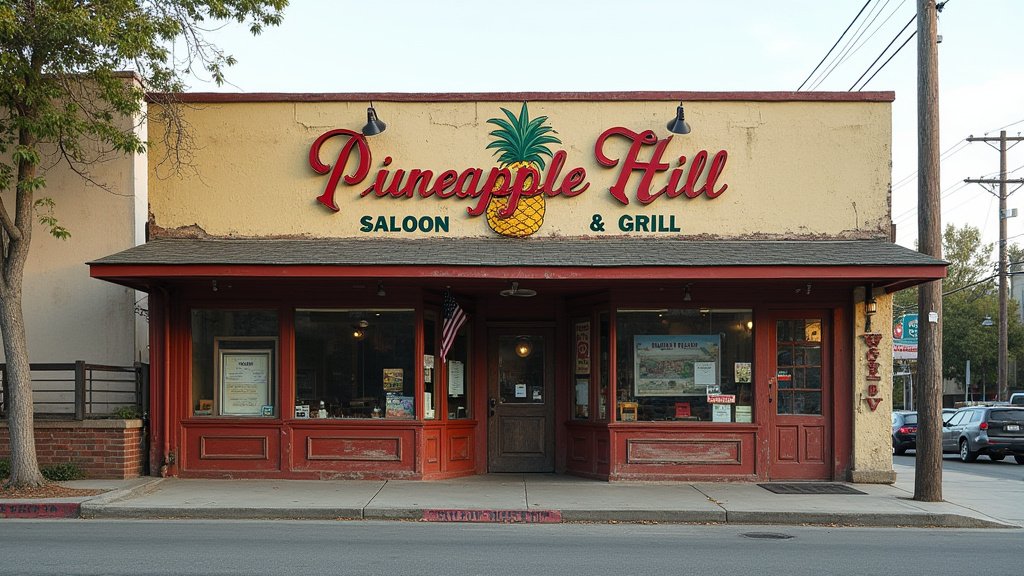
Sherman Oaks is bracing for the end of a long-standing local institution. The Pineapple Hill Saloon & Grill, a beloved dive bar that has served as a community cornerstone for nearly five decades, has confirmed it will officially shutter its doors on October 4, 2026. The closure comes as a direct result of a property redevelopment initiative spearheaded by Bluemax Partners, marking the conclusion of a significant chapter in the neighborhood’s social history.
Key Highlights
- Closing Date: Pineapple Hill Saloon & Grill will cease all operations on October 4, 2026.
- Reason for Closure: The property has been acquired for a comprehensive redevelopment plan led by Bluemax Partners.
- Historical Significance: The venue has operated for nearly 50 years, serving as a staple of Sherman Oaks’ local dive bar culture.
- Community Impact: The closure signifies the ongoing struggle to preserve independent “third places” amidst rising commercial real estate pressure in Los Angeles.
The Final Toast: A Sherman Oaks Legacy
For nearly half a century, the Pineapple Hill Saloon & Grill has stood as a defiant, unpretentious anchor in the rapidly changing landscape of the San Fernando Valley. In a city defined by transient trends and the constant churn of new hospitality concepts, Pineapple Hill carved out a rare space of permanence. It wasn’t just a place to grab a drink; it was a community hub where residents, industry professionals, and local characters converged to share stories and maintain a sense of neighborhood camaraderie.
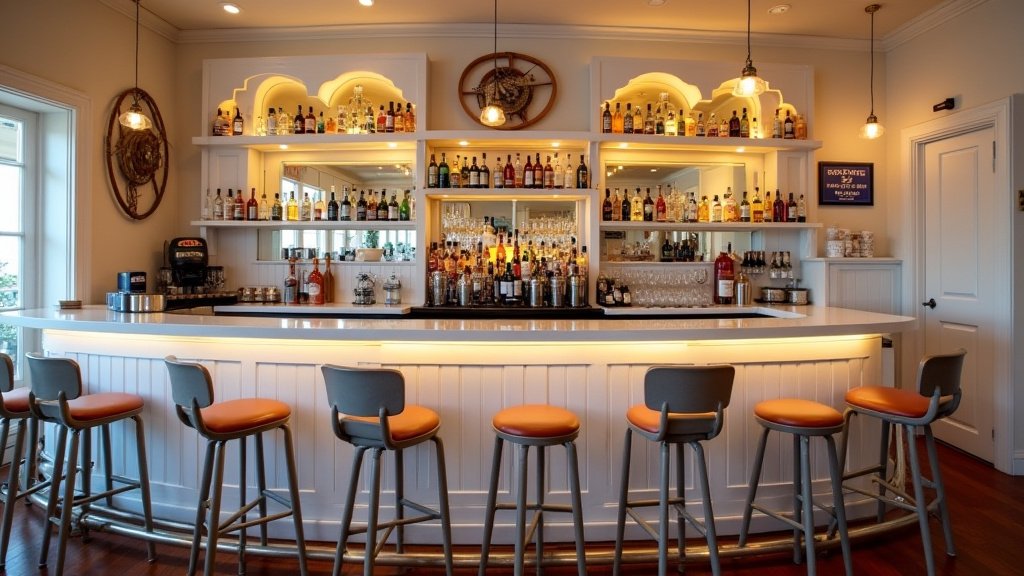
The announcement of the October 4, 2026, closing date has sent ripples through the Sherman Oaks community, sparking a wave of nostalgia and concern regarding what the loss of such a venue means for the local identity. The bar’s interior, characterized by its lived-in aesthetic and history-laden walls, represents an era of Los Angeles culture that is becoming increasingly scarce. While new developments are often heralded for their economic potential, the displacement of legacy businesses like Pineapple Hill underscores the tension between necessary urban growth and the preservation of cultural heritage.
The Economics of Redevelopment: Bluemax Partners and the Valley
The driving force behind the closure is a redevelopment proposal by Bluemax Partners. In the current Los Angeles commercial real estate market, the pressure to maximize land utility is immense. Developers are increasingly looking toward older, low-density commercial plots as prime opportunities for modernization. For Bluemax Partners, the site occupied by Pineapple Hill represents a strategic asset, likely slated for mixed-use development or high-density residential housing, which aligns with city-wide mandates to increase inventory.
However, the math of redevelopment often fails to account for the “intangible asset” of a historic venue. When a business like Pineapple Hill closes, the neighborhood loses more than just a liquor license and a building footprint. It loses a social anchor—an established, informal institution where the barrier to entry was low and the social currency was high. As these venues disappear, the character of neighborhoods like Sherman Oaks risks homogenization, potentially replacing idiosyncratic charm with sterile, standardized development.
The Vanishing Dive Bar: A Symptom of Urban Evolution
The closure of Pineapple Hill is not an isolated event; it is symptomatic of a broader shift in the Los Angeles dive bar ecosystem. Over the last decade, numerous legacy establishments across the greater Los Angeles area have succumbed to similar pressures—rising property taxes, lease escalations, and the sheer lucrativeness of selling to developers.
Dive bars, by nature, operate on low margins. They do not rely on high-turnover cocktail programs or expensive interior renovations, but rather on loyalty and longevity. As real estate values in neighborhoods like Sherman Oaks skyrocket, the economics of keeping such a business open become increasingly difficult. The result is a cycle where land value eventually eclipses the operating value of the business, forcing owners to sell. For the patrons of Pineapple Hill, this represents a loss of their “third place”—a location separate from home and work where community bonds are forged.
Looking Ahead: What Defines the Future of Sherman Oaks?
As the clock ticks down toward October 4, 2026, the community is left to reckon with the future of the corridor. The departure of Pineapple Hill leaves a vacuum, both physically and culturally. Urban planners and local stakeholders now face the challenge of determining what type of community life can be fostered in the space that remains. Will the upcoming development by Bluemax Partners include provisions for local gathering spaces, or will it prioritize efficiency over community connectivity?
This transition serves as a stark reminder for Los Angeles residents to appreciate their local institutions while they exist. The preservation of historical, community-oriented venues often requires proactive efforts, such as heritage designations or community buyouts, which are unfortunately rare. As we prepare to bid farewell to Pineapple Hill, the focus shifts to how the neighborhood will evolve and whether it can maintain its distinct soul in the wake of this redevelopment.
FAQ: People Also Ask
Q: Why is Pineapple Hill Saloon & Grill closing?
A: The closure is due to a property redevelopment plan initiated by Bluemax Partners, which has acquired the site for future development.
Q: When is the exact date of closure?
A: Pineapple Hill Saloon & Grill will cease operations and officially close on October 4, 2026.
Q: What is the significance of the bar’s history?
A: The venue has been a staple in the Sherman Oaks area for nearly 50 years, serving as a historic dive bar and a central gathering point for the local community.
Q: Will the bar relocate?
A: No relocation plans have been announced. The closure marks the end of the venue’s operation at its current location.