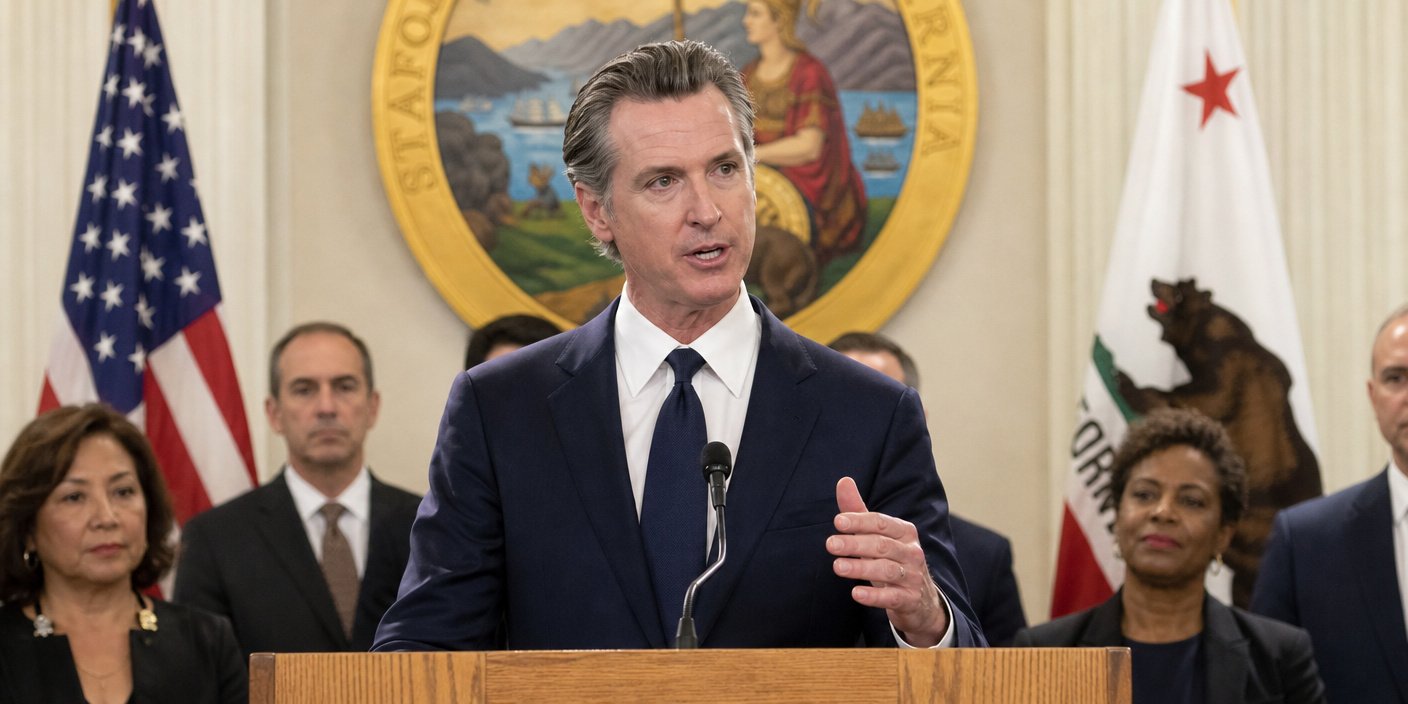
Governor Gavin Newsom has enacted a comprehensive legislative package designed to insulate California’s electoral infrastructure from potential federal interference and digital disinformation campaigns, fortifying the state’s democratic processes ahead of the high-stakes November 2024 elections. The swift signing of these bills underscores Sacramento’s commitment to maintaining local control over the electoral process, amid growing anxieties regarding federal attempts to influence, monitor, or disrupt the state’s counting procedures.
Key Highlights
- AI Transparency Mandates: New legislation requires clear disclosure of AI-generated content in political advertisements, directly addressing the threat of deepfakes.
- Enhanced Cybersecurity: Strengthening state-level security protocols for county election systems to defend against unauthorized federal or external data access.
- Protections for Election Workers: Increased penalties for harassment of poll workers to ensure safe and orderly in-person voting.
- Rigorous Ballot Audit Procedures: Standardizing post-election audit requirements to prevent external challenges to the accuracy of the vote count.
Protecting the Integrity of the Vote in California
The legislative package, signed into law this month, represents a proactive, defensive posture by the California state government. As the November 2024 election approaches, political tensions have spiked, with state officials expressing profound concern that federal authorities—or actors aligned with federal figures—might attempt to intervene in the logistical operations of the election. This legislative suite is designed to create a “firewall” around California’s voting procedures, ensuring that the state retains absolute sovereignty over how its ballots are cast, collected, and tabulated.
The Legislative Strategy: A Multilayered Defense
At the core of these new laws is a focus on the logistical “plumbing” of democracy. Legislators have focused on hardening systems that were previously identified as potential points of failure or vulnerability. AB 2642, a centerpiece of this initiative, mandates that California’s counties implement rigorous verification standards for electronic voting equipment. By restricting external access to these systems and creating a paper-trail mandate, the law seeks to preempt any narrative or physical attempt to compromise the machinery of the election.
Furthermore, the state has allocated additional funding for county registrar offices. This financial injection is earmarked not just for administrative costs, but for the physical security of ballot drop boxes and processing centers. State officials have signaled that protecting the physical movement of the ballot from the voter to the final tally is the highest priority for the upcoming cycle.
Combatting the AI and Disinformation Threat
Perhaps the most innovative component of Newsom’s legislative push is the direct confrontation with Artificial Intelligence in political messaging. The rise of sophisticated generative AI has created a new, complex landscape where deepfakes—videos or audio clips created to look or sound like real candidates—can spread rapidly before they can be debunked.
The new regulations require mandatory watermarking and disclosure of AI-generated content in campaign communications. Failure to comply with these disclosure mandates now invites significant legal and financial penalties. This is not merely a technical adjustment; it is a fundamental shift in how the state regulates political speech to prevent the spread of fraudulent information that could suppress voter turnout or deceive the electorate about the time, place, or method of voting.
Navigating the November Landscape
Preparing for Federal Scrutiny
California’s leadership has been transparent about the motivation behind these laws: a distrust of federal intentions. The administration has frequently cited concerns regarding statements made by national figures—most notably Donald Trump—regarding his plans for federal involvement in state-run elections. By enshrining these security measures into state law, Sacramento is creating a legal landscape where any attempt at federal interference would immediately run into the buzzsaw of California’s state code. This creates a deterrent effect, forcing federal actors to navigate a complex legal thicket if they attempt to intervene in county-level election procedures.
The Historical and Economic Context
Historically, election administration has been a patchwork of state and county authority. However, in an era of heightened polarization, the lines between federal oversight and state autonomy have blurred. California’s move is part of a growing trend of “blue state” legislative insulation, where states are proactively updating their codes to prevent a future administration from using federal power to unilaterally halt or alter the counting of votes. From an economic perspective, this is a significant investment; the state is effectively spending millions to insure the democratic process against the volatility of the national political climate.
Future Predictions: Setting the Standard
Industry analysts and legal experts expect California’s approach to set a blueprint for other states. By codifying protections against deepfakes and establishing strict digital security protocols for voting machines, California is effectively creating a “gold standard” for election security in the digital age. It is likely that other states will attempt to mirror these bills in the next legislative session, transforming California into the testing ground for the future of digitized American elections.
FAQ: People Also Ask
1. Does this new law prevent the federal government from observing elections?
No. The law does not prevent legal, authorized federal observation of elections. It focuses on preventing interference, such as unauthorized access to voting systems, illegal attempts to seize ballots, or the disruption of ballot counting processes. It establishes a clear legal distinction between observation and intervention.
2. How does the new AI law affect social media campaigns?
The law mandates that any paid political advertisement containing AI-generated imagery or audio must include a clear, prominent disclosure label. It applies to social media platforms, broadcast television, and digital streaming services, aiming to prevent voters from being misled by synthetic media.
3. Will these changes be in effect for the November 2024 election?
Yes. Governor Newsom signed these bills with urgency clauses, meaning they take effect immediately, ensuring the security measures and disclosure requirements are active and enforceable for the upcoming general election.
4. What is the penalty for violating the new AI disclosure rules?
Violators face escalating fines and potential civil liability. The law is designed to be self-enforcing by creating a clear legal path for campaigns and organizations to sue for injunctive relief, allowing courts to order the removal of deceptive content.