In a major shakeup for Southern California professional sports, Stan Kroenke—the billionaire owner of the Los Angeles Rams—has reportedly secured a $4 billion agreement to purchase the Los Angeles Angels from long-time owner Arte Moreno. This transaction, which marks one of the largest acquisitions in the history of Major League Baseball, effectively ends Moreno’s two-decade tenure and introduces one of the most powerful figures in global sports ownership into the American League.
Key Highlights
- $4 Billion Valuation: The deal solidifies the Angels as one of the most valuable franchises in MLB, reflecting the premium placed on major market clubs in Southern California.
- End of the Moreno Era: Arte Moreno, who purchased the team in 2003 for $183 million, exits the franchise following a tenure defined by consistent offensive talent, significant stadium lease negotiations, and long-standing debates regarding front-office strategy.
- KSE Expansion: The acquisition brings the Angels under the umbrella of Kroenke Sports & Entertainment (KSE), which already controls the Los Angeles Rams, Denver Nuggets, Colorado Avalanche, and Arsenal FC, among others.
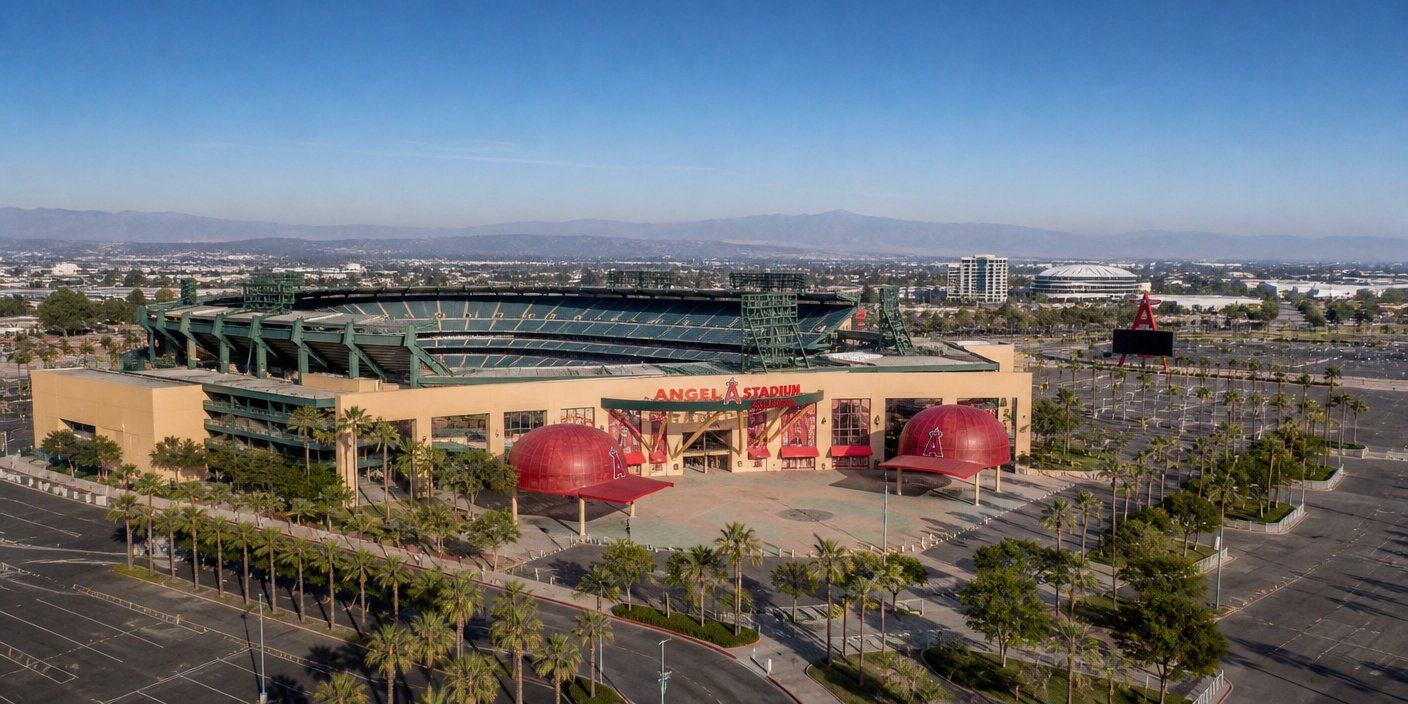
- Future Infrastructure: Industry experts are already looking toward the future of Angel Stadium, with questions mounting over whether Kroenke will pursue the massive real estate development projects that stalled during the latter years of Moreno’s ownership.
The Strategic Acquisition of an Anaheim Icon
The acquisition of the Los Angeles Angels by Stan Kroenke is not merely a transfer of ownership; it is a profound realignment of the power dynamics in the Southern California sports market. For years, the Angels have operated as a top-tier revenue generator in Major League Baseball, yet they have struggled to convert that financial success into sustained postseason glory. With the transaction finalized at a staggering $4 billion, the bar for operational excellence has been set at an all-time high.
Analyzing the Kroenke Model
Stan Kroenke’s approach to sports ownership is often described as a ‘capital-intensive, results-oriented’ model. Unlike owners who are intimately involved in daily roster construction or managerial hiring, Kroenke tends to empower his executive teams to handle the sport-specific decision-making while he focuses on the long-term sustainability of the organization. This strategy has yielded significant dividends for his other franchises. The Denver Nuggets recently secured an NBA championship, and the Colorado Avalanche have remained perennial contenders in the NHL. Most notably, the Los Angeles Rams—under his stewardship—successfully navigated the move from St. Louis and delivered a Super Bowl victory shortly after the completion of the state-of-the-art SoFi Stadium.
The core question for Angels fans is whether this ‘KSE model’ will translate to the diamond. Critics of the previous regime often pointed to a disconnect between ownership, front-office management, and the coaching staff. By bringing in a corporate ownership structure that has successfully managed complex multi-sport operations, the Angels may see a stabilization of their internal culture—a move that many analysts believe is long overdue.
The Real Estate Factor
Perhaps the most compelling dimension of this $4 billion deal is the real estate component. Angel Stadium occupies a prime location in the ‘Platinum Triangle’ of Anaheim. Under Arte Moreno, plans to develop the land surrounding the stadium frequently faced legal hurdles and political opposition, leading to the eventual collapse of several development agreements. Kroenke, however, has a proven track record of master-planning large-scale sports districts. If the KSE strategy mirrors the development seen around SoFi Stadium in Inglewood, Anaheim could be looking at a multi-billion-dollar revitalization of the area surrounding the ballpark, transforming it into a year-round entertainment and commercial hub.
The Legacy of Arte Moreno
To understand the magnitude of this change, one must acknowledge the legacy of the man stepping away. Arte Moreno was the first Mexican-American to own a major professional sports team in the United States. His 2003 purchase of the Angels for $183 million was widely praised as he quickly invested in the roster, leading to multiple playoff appearances early in his tenure. However, the latter half of his ownership was defined by frustrations. Fans grew weary of the team’s inability to build a winning culture around generational superstars, and the ongoing tension regarding the stadium lease and development plans cast a shadow over the franchise’s potential.
Moreno’s departure marks a pivot point. While his tenure saw the team move from the ‘Anaheim Angels’ to the ‘Los Angeles Angels’—a branding decision that boosted marketability—the current sale signals a desire from the ownership class to maximize the franchise’s valuation in an increasingly competitive media and streaming landscape.
Financial Implications for Major League Baseball
The $4 billion price tag serves as a bellwether for the health of MLB franchises. In an era where regional sports networks are facing existential crises and streaming rights are in flux, the willingness of a titan like Kroenke to invest such a significant sum underscores the enduring value of marquee franchises in major urban markets. This deal is likely to cause a ripple effect, potentially setting a new floor for the sale prices of other big-market teams in the future.
FAQ: People Also Ask
1. Will the team’s name change under Kroenke?
There has been no official announcement regarding a name change. Given the significant marketing investment in the ‘Los Angeles Angels’ brand over the last two decades, it is widely expected that the branding will remain consistent for the foreseeable future.
2. How will this affect the Angels’ payroll?
Stan Kroenke is known for investing heavily in his teams when the infrastructure is in place. While initial cost-cutting measures are common in high-value acquisitions, KSE’s history suggests they prioritize building championship-caliber organizations, which typically requires a competitive payroll.
3. Does this deal involve the stadium land development?
The purchase agreement includes the controlling rights associated with the franchise and its operations. Future development of the Angel Stadium property will depend on negotiations with the City of Anaheim, which still holds significant leverage over the land use. KSE’s experience in real estate development suggests they may be better equipped to reach a sustainable agreement with the city than the previous ownership.
4. When will the transition of power officially occur?
The transition is subject to the standard Major League Baseball approval process, which involves a vetting of the ownership group by the Commissioner’s office and a vote by the other team owners. This process typically takes several months to complete.