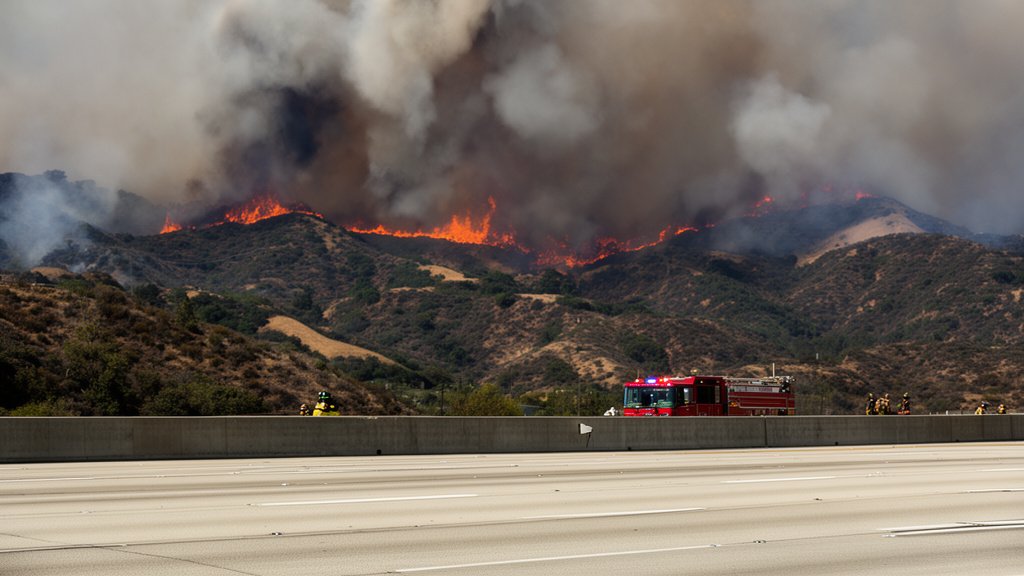
California is on the verge of becoming the first state in the nation to impose mandatory standards for testing and remediating wildfire smoke damage, a move that could fundamentally shift the balance of power between insurance companies and homeowners in fire-ravaged communities. With the legislation now sitting on the governor’s desk, the proposal seeks to address a systemic failure in the insurance claims process: the lack of consistent, scientifically backed protocols for assessing toxic particulate matter that penetrates deep into residential structures long after the flames have been extinguished.
Key Highlights
- Ending the Guesswork: New regulations would require insurers to follow standardized testing procedures rather than relying on subjective adjusters or disputed cleanup protocols.
- Toxic Reality: The bill acknowledges the long-term health risks of fine particulate matter (PM2.5) and volatile organic compounds (VOCs) that adhere to surfaces within smoke-impacted homes.
- Shift in Liability: By creating a regulatory framework, the state aims to reduce the prevalence of ‘low-ball’ remediation settlements that leave families in dangerous living conditions.
Establishing Accountability in the Claims Process
For years, thousands of wildfire survivors in Los Angeles County and across the state have faced a harrowing secondary disaster: an insurance industry that often denies or drastically minimizes the cost of cleaning smoke-damaged homes. Currently, there is no state-mandated scientific protocol for what constitutes ‘clean’ after a major wildfire event. This vacuum has allowed insurance carriers to dictate the terms of remediation, often opting for cosmetic cleaning—such as painting over smoke-damaged walls or using minimal air filtration—rather than the deeper, more expensive restorative measures required to ensure a home is truly safe for habitation.
The Science of Smoke and Toxicity
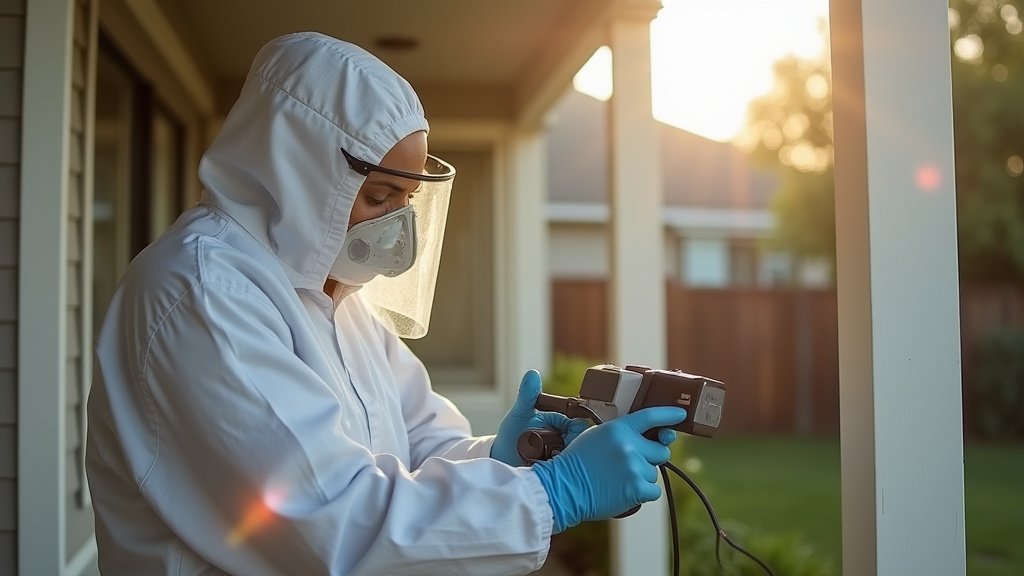
Wildfire smoke is not merely ash; it is a complex cocktail of burning plastics, chemicals, and building materials. When this smoke enters a residence, it settles into HVAC systems, drywall, insulation, and soft furnishings. While visible soot is the primary concern for most homeowners, the invisible threats are far more insidious. Fine particulate matter, often smaller than 2.5 microns, can carry heavy metals and carcinogens. Without rigorous, standardized testing—such as specialized surface sampling or air quality analysis conducted by certified industrial hygienists—these toxins remain, posing significant respiratory and long-term health risks to the home’s occupants. The proposed legislation mandates that remediation must be based on documented levels of these contaminants rather than on the arbitrary assessment of an insurance adjuster.
Challenges for the Insurance Industry
Predictably, the insurance industry has been wary of the proposed regulations. Carriers argue that mandating specific testing protocols could lead to an explosion in remediation costs, potentially driving up premiums in an already volatile California insurance market. They emphasize that the scope of damage varies wildly from one home to the next, arguing that a ‘one-size-fits-all’ standard could be impractical. However, proponents of the bill point out that the current lack of standards allows insurers to consistently undervalue claims, effectively pushing the cost of remediation onto the survivors who are least equipped to pay it.
A New Era for Homeowner Protection
Should the bill be signed into law, California will establish a legal precedent that other fire-prone states—such as Oregon, Washington, and Colorado—will likely monitor closely. If the state succeeds in codifying a rigorous standard for smoke remediation, it essentially defines the ‘value’ of a clean home. This shift would force insurers to adjust their models, perhaps leading to more accurate upfront policy pricing that accounts for the realistic costs of climate-induced catastrophes. For the survivors, this represents a crucial step toward transparency, ensuring that when the smoke clears, the process of returning home is guided by science, not by the bottom line of an insurance corporation.
FAQ: People Also Ask
Q: How does this legislation change the insurance claims process for homeowners?
A: It introduces mandatory, objective scientific protocols for assessing smoke damage. Insurers would no longer be able to use their own proprietary or minimal cleaning standards, but would instead be required to adhere to state-approved testing methods to determine the full scope of remediation needed.
Q: Does this cover all types of wildfire smoke damage?
A: Yes, the legislation is designed to address fine particulate matter (PM2.5) and chemical residues (VOCs) that result from structural and wildland-urban interface fires, which are increasingly common in California.
Q: Will this lead to higher insurance premiums?
A: While insurance lobbyists argue that standardized testing could drive up claim costs, proponents argue that it actually promotes market fairness. By forcing insurers to account for the true cost of remediation upfront, it could stabilize the market by reducing the number of protracted, litigious disputes between homeowners and carriers.