Los Angeles is currently under a critical Extreme Heat Warning, spanning from Tuesday morning through Friday evening, prompting city officials to launch a comprehensive public safety response. The City of Los Angeles has activated nine dedicated cooling centers across the region and proactively mobilized emergency fire resources to manage the elevated risks associated with the prolonged high-temperature event. Residents are urged to exercise extreme caution as the city braces for sustained, dangerous heat levels that threaten public health and increase the likelihood of wildfire activity.
Key Highlights
- Duration: The official Extreme Heat Warning remains in effect from Tuesday morning through Friday evening.
- Cooling Centers: The City of Los Angeles has opened nine dedicated cooling centers providing air-conditioned relief for residents.
- Fire Readiness: Emergency fire resources, including additional engine crews and personnel, have been prepositioned to expedite response times in high-risk areas.
- Public Urgency: Authorities are emphasizing the importance of hydration, limiting outdoor exposure, and performing wellness checks on elderly and vulnerable neighbors.
Scaling the Response: LA’s Tactical Approach to Extreme Heat
As temperatures climb across Southern California, the Los Angeles Department of Emergency Management (EMD) and the Los Angeles Fire Department (LAFD) have shifted into high-alert protocols. This is not merely a reactive measure; it is a calculated, prepositioned strategy designed to mitigate the specific, compounding risks associated with sustained heat waves in a dense, urban environment.
The Meteorological Drivers of the Warning
The current warning is driven by a strong high-pressure ridge parked over the region, which acts as a cap, trapping heat and preventing the typical marine layer from cooling the coastal basins. According to the National Weather Service (NWS), this phenomenon suppresses natural ventilation, leading to stagnant, furnace-like conditions. For residents, this means temperatures will remain abnormally high, even after sunset, creating a ‘nighttime heat burden’ that prevents the body from recovering from daytime thermal stress. This meteorological pattern is particularly dangerous for those residing in older, non-retrofitted housing stock and those without consistent access to central air conditioning.
Strategic Prepositioning of Fire Resources
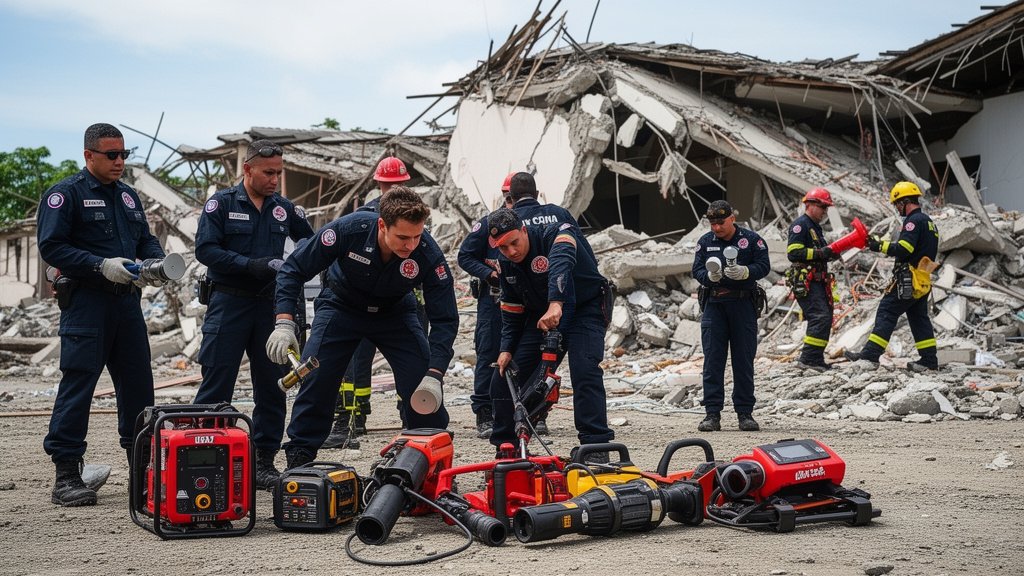
One of the most critical aspects of the city’s response is the proactive staging of fire resources. The LAFD has identified ‘high-risk zones’—areas where terrain, vegetation density, and historic fire behavior suggest an increased vulnerability to wildfire ignition during heat events. By prepositioning engines and specialized rapid-response crews in these sectors, the department effectively slashes response times.
‘Seconds matter in the first moments of a brush fire,’ explained an emergency management spokesperson. By moving assets closer to potential ignition points before the threat materializes, the city creates a buffer that prevents localized fires from escalating into major, wind-driven conflagrations. This tactical move also includes the deployment of extra personnel on overtime, ensuring that existing station coverage remains robust even as the city manages heat-related medical calls.
Supporting the Vulnerable: The Cooling Center Network
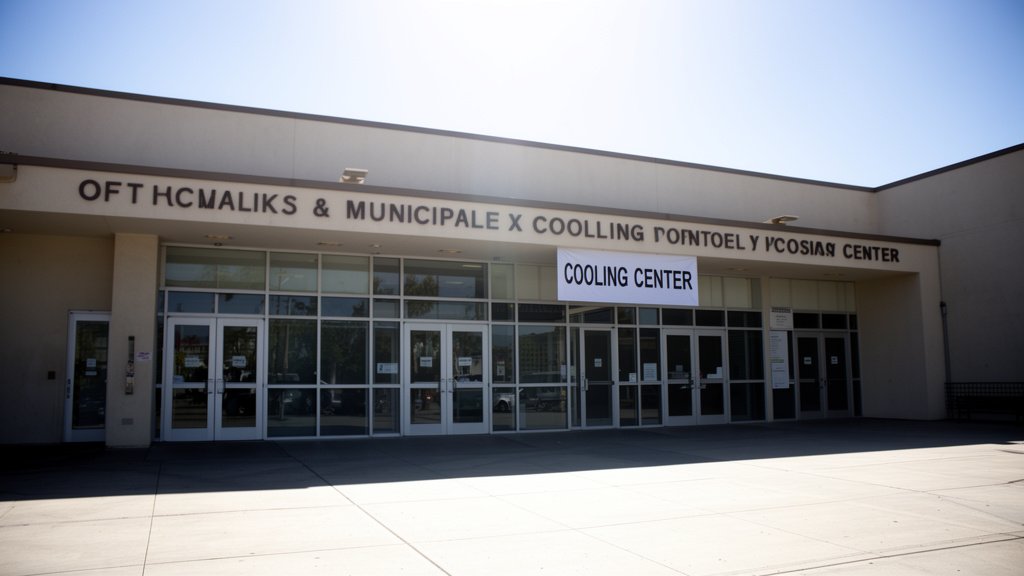
The activation of nine designated cooling centers is the frontline of the city’s public health defense. These sites serve as critical infrastructure, providing more than just A/C; they offer a safe harbor for the city’s unhoused population, the elderly, and those whose primary residences may be suffering from grid instability.
These facilities are equipped to handle increased capacity, with hydration stations, medical screening areas, and public health guidance available on-site. The city has optimized these locations to be accessible via public transit, acknowledging that during extreme heat, the physical act of walking even short distances can be perilous for vulnerable individuals. The EMD is coordinating closely with local non-profits and community organizations to ensure these centers are fully operational during the peak heat hours of the day.
Infrastructure and Grid Integrity
Beyond immediate fire and health concerns, the city is also managing the strain on the municipal power grid. As residents maximize air conditioning use, the Los Angeles Department of Water and Power (LADWP) has requested voluntary energy conservation during the peak hours of 4:00 PM to 9:00 PM. This load shedding is essential to preventing rolling blackouts, which could further exacerbate the health risks associated with this heatwave. Infrastructure resilience is being tested, and the city’s ability to maintain power is directly linked to the success of its cooling efforts.
Community Vigilance: Checking on Neighbors
Officials are issuing a stark reminder that heat-related illness is preventable but requires community participation. Checking on neighbors—particularly those living alone or with health vulnerabilities—is not a suggestion; it is a vital public safety mandate during this warning period. Identifying symptoms of heat exhaustion, such as heavy sweating, rapid pulse, dizziness, and nausea, and knowing when to escalate to heat stroke, which requires immediate emergency medical attention, could save lives.
FAQ: People Also Ask
Q: How do I find the nearest cooling center?
A: Residents can visit the official City of Los Angeles emergency website or call 3-1-1 to access a real-time list of operational cooling centers, including hours of operation and available capacity.
Q: What are the primary warning signs of heat stroke?
A: Heat stroke is a medical emergency characterized by a body temperature above 103°F, confusion, loss of consciousness, and hot, red, dry, or damp skin. Call 9-1-1 immediately if you suspect someone is suffering from heat stroke.
Q: Why are fire resources being ‘prepositioned’ during a heat warning?
A: Prepositioning moves fire engines and crews to high-risk areas before an incident occurs. This strategy drastically reduces response times, allowing firefighters to extinguish small fires before they can spread, which is crucial during periods of extreme heat and low humidity.
Q: Should I keep my windows open for ventilation?
A: During an Extreme Heat Warning, it is generally recommended to keep windows closed and curtains drawn during the hottest parts of the day to keep the cooler indoor air inside. Open windows at night only if the outside temperature has fallen significantly below the indoor temperature.