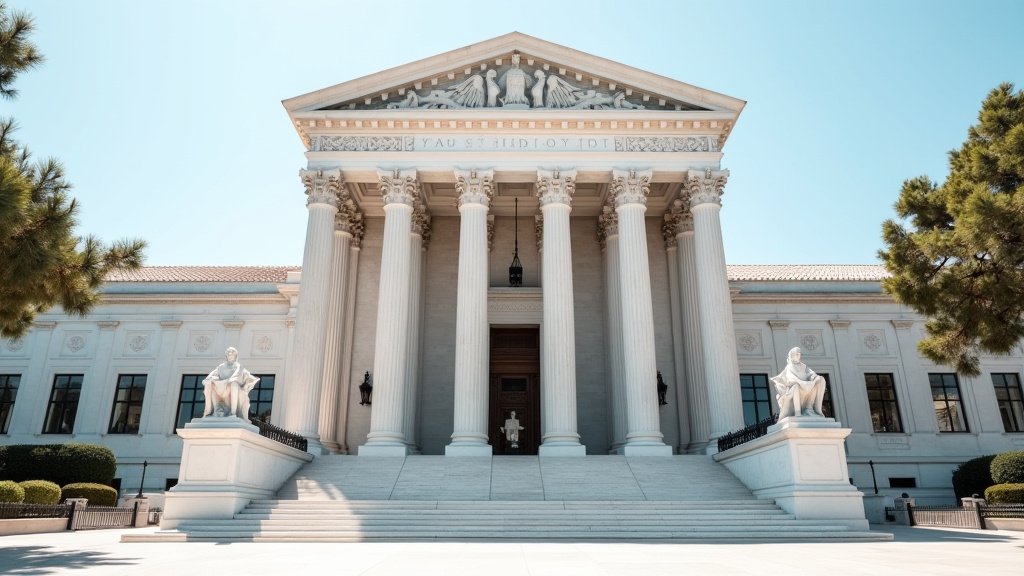
In a significant legal development affecting the treatment of minors in federal custody, U.S. District Judge Dolly M. Gee of the Central District of California has mandated the appointment of an independent monitor and special master. This directive is designed to oversee strict compliance with the long-standing 1997 Flores Settlement Agreement, which governs the care, detention, and release of immigrant children in U.S. government custody. The ruling arrives following years of litigation and persistent concerns regarding environmental safety and the quality of life within detention centers operating in California and Texas.
Strengthening Compliance: The Flores Settlement Foundation
The 1997 Flores Settlement Agreement acts as the bedrock for the legal protection of migrant youth in American detention. For over two decades, the agreement has required the federal government to hold minors in facilities that are safe, sanitary, and appropriate for their age. However, enforcement has been a point of constant friction between advocates and the government agencies responsible for oversight. Judge Gee’s latest order represents a procedural escalation, moving away from a system of government self-reporting toward an external, objective mechanism of verification.
The appointment of an independent monitor is, in legal terms, a profound shift. Historically, detention centers in California and Texas have operated with limited external scrutiny, often subject only to periodic government internal reviews. By introducing a special master, the court ensures that the standards dictated by the Flores agreement are not merely policy guidelines but enforceable mandates with continuous, active supervision.
Investigating the Conditions: Temperature and Safety
At the heart of the court’s recent mandate are specific, documented grievances regarding the environment within these detention facilities. Judge Gee’s ruling highlights critical concerns regarding unsafe temperatures and inadequate living conditions. Reports filed with the court have repeatedly cited evidence of facilities operating in extreme weather conditions without proper climate control, a violation that poses direct health risks to children who are already in a vulnerable state.
Beyond climate-related concerns, the court’s order addresses broader systemic issues regarding the quality of life for minors in custody. This includes access to basic hygiene, nutrition, and safe, age-appropriate play areas—requirements explicitly outlined in the 1997 settlement. The evidence presented suggests a pattern of systemic lapses, leading the court to conclude that federal oversight, as currently structured, has been insufficient to guarantee the safety of minors in the short or long term. The special master will be empowered to conduct unannounced inspections, interview staff and children, and review internal facility records, providing a granular level of transparency that has been missing for years.
The Role of the Independent Monitor
The implementation of an independent monitor is not an administrative suggestion but a judicial requirement. This official will serve as the eyes and ears of the court, possessing the authority to investigate the detention centers in both California and Texas directly. The monitor’s primary function will be to bridge the gap between court orders and on-the-ground reality. This individual will have the mandate to track specific metrics, such as internal facility temperatures, the frequency of physical activities provided to the minors, and the standard of sleeping arrangements.
By formalizing this role, Judge Gee has effectively created a ‘compliance firewall.’ If the monitor detects ongoing negligence or failure to meet the Flores criteria, the findings will be documented and presented directly to the court. This mechanism creates an immediate accountability loop, where facility operators must prove adherence to the law, or face potential sanctions from the bench. The presence of this monitor also provides a critical channel for legal teams and advocacy groups to escalate grievances regarding the treatment of minors without having to initiate a full-blown new lawsuit for every instance of non-compliance.
Broader Implications for Immigration Policy
This judicial intervention highlights the intersection of immigration policy and the fundamental rights of children. The ruling underscores that regardless of the administrative or political shifts in immigration policy, the federal government maintains an immutable obligation to ensure the humane treatment of minors.
Looking forward, this order may set a precedent for how detention facilities are managed nationwide. If the model of independent, court-appointed oversight proves effective in California and Texas, it is likely that legal advocates will push for similar monitoring in other states with significant detention operations. This move forces the Department of Homeland Security and the Office of Refugee Resettlement to grapple with a new reality: their internal protocols are now subject to the direct, objective assessment of a judicial officer whose primary mandate is the welfare of the children, rather than administrative expediency.
As the monitor begins their work, the public can expect an increase in scrutiny regarding how these facilities are operated. The court’s willingness to step into the role of a supervisor signals that the status quo for migrant child detention is no longer acceptable in the eyes of the law, setting the stage for what may be the most significant overhaul of detention facility operations in a generation.
FAQ: People Also Ask
1. What is the Flores Settlement Agreement?
It is a 1997 landmark legal agreement that established national standards for the detention, treatment, and release of minors in the custody of the U.S. government. It mandates that children should be held in the least restrictive environment possible.
2. Why was an independent monitor appointed?
Judge Dolly M. Gee appointed the monitor due to persistent, unaddressed concerns regarding unsafe living conditions, including improper temperature control, within immigrant child detention centers in California and Texas.
3. What powers does the special master have?
The special master has the authority to conduct independent inspections, monitor compliance with the Flores agreement, review facility documents, and report findings directly to the court, ensuring that legal standards are met.
4. Will this affect detention centers outside of CA and TX?
While this specific order focuses on California and Texas, the legal precedent established by Judge Gee’s ruling could influence oversight practices in other states, serving as a model for future court-mandated monitoring.