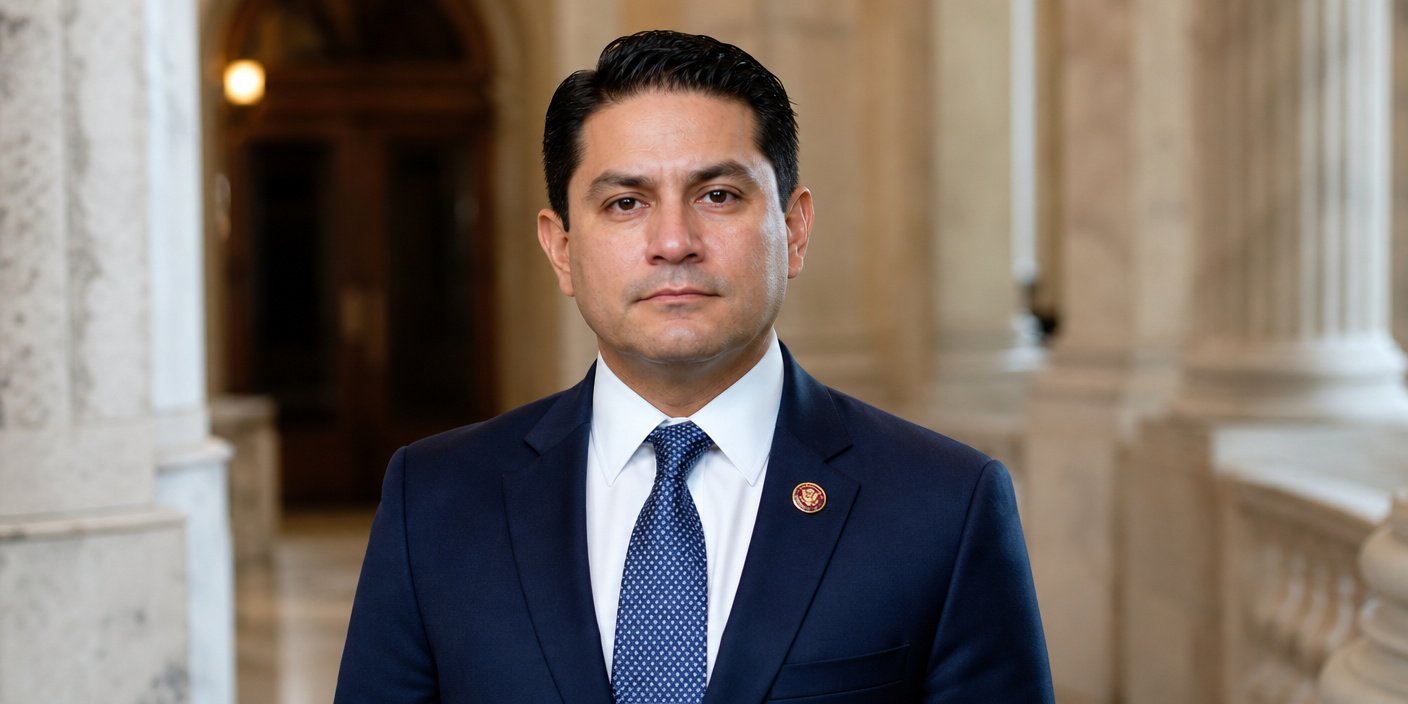
The House Ethics Committee has formally launched an investigation into U.S. Representative Jimmy Gomez regarding serious allegations of sexual misconduct, specifically involving claims of inappropriate sexual contact with a congressional staffer. This development marks a significant escalation in the scrutiny of the Representative’s conduct and initiates a rigorous, confidential review process within the chamber’s internal disciplinary body. The announcement of this investigation brings to the forefront the House’s established mechanisms for handling internal misconduct and underscores the serious nature of the accusations brought forward.
Key Highlights
- Formal Investigation Initiated: The House Ethics Committee has officially opened an inquiry into U.S. Representative Jimmy Gomez.
- Nature of Allegations: The probe stems from serious allegations concerning inappropriate sexual contact with a congressional staffer.
- Procedural Oversight: This investigation triggers the formal rules of the House Ethics Committee, which is charged with investigating alleged violations of House rules, laws, and standards of conduct.
- Ongoing Review: The committee is expected to collect evidence and testimony as part of its mandate to determine the validity of the claims.
Formal Inquiry into Representative Gomez: Examining the Scope and Process
The initiation of a formal investigation by the House Ethics Committee into Representative Jimmy Gomez represents a critical juncture in the legislative oversight process. As the primary body responsible for upholding the standards of conduct within the House of Representatives, the Committee on Ethics occupies a unique and powerful position. Its ability to investigate, adjudicate, and recommend disciplinary action is a cornerstone of congressional integrity, and the formalization of this inquiry signifies that the committee has found sufficient merit in the allegations to warrant a deeper, systematic review.
Understanding the House Ethics Committee Mandate
The House Ethics Committee, composed of an equal number of members from both the Democratic and Republican parties, is designed to be a bipartisan, insulated body. Its primary function is to investigate and enforce the Code of Official Conduct. When an allegation arises—such as the serious claims regarding sexual misconduct involving Rep. Jimmy Gomez—the committee acts with a mandate that transcends partisan politics. The investigation into Rep. Gomez will likely follow the committee’s established procedures, which include an initial fact-finding phase, the collection of evidence, and the potential for a formal investigative subcommittee to be empanelled. This process is inherently confidential, designed to protect the integrity of both the accused and the accusers, while also ensuring that the House maintains its public trust.
The Scope of the Investigation
While the specific details of the sexual misconduct allegations remain largely shielded due to the confidential nature of the ethics process, the scope of the inquiry is focused squarely on the interactions between Rep. Gomez and the involved congressional staffer. Investigations into sexual misconduct in Congress are governed by specific guidelines and policies that mandate a safe and harassment-free workplace. The committee will likely scrutinize communications, schedule records, and witness accounts to determine if these interactions violated House rules or statutory regulations regarding sexual harassment and workplace conduct. This is not merely an inquiry into interpersonal behavior, but an assessment of whether the power dynamic inherent in a congressional office was abused in violation of legislative ethics standards.
Congressional Precedent and Protocol
Historically, the House Ethics Committee has handled allegations of misconduct with a high degree of gravity. Past investigations into sexual harassment and inappropriate contact have served as benchmarks for how the legislative body handles internal discipline. By launching a formal probe, the committee is signaling its commitment to these standards. The investigation into Rep. Gomez will be measured against the backdrop of these precedents. The committee’s previous handling of such matters often involves interviews with the complainant, the respondent, and relevant third-party witnesses. If the committee finds that there is substantial evidence of misconduct, it may recommend sanctions ranging from letters of reproval to more severe disciplinary measures, potentially involving a vote on the House floor.
Implications for Legislative Conduct
The scrutiny placed upon Representative Gomez highlights a broader trend toward heightened accountability within the halls of Congress. The #MeToo movement and subsequent shifts in workplace culture have fundamentally altered the landscape of legislative accountability. Modern congressional oversight is now characterized by faster response times and more robust reporting mechanisms. As the investigation proceeds, the focus will not only be on the specific facts regarding Rep. Gomez but also on how effectively the House Ethics Committee can navigate this high-profile case to maintain public confidence. The legislative body must demonstrate that it is capable of self-policing even when the allegations involve its own members, a task that is often politically sensitive and fraught with public scrutiny.
Navigating the Legal and Political Landscape
The political ramifications for Rep. Jimmy Gomez are significant. While the Ethics Committee investigation is an internal, quasi-judicial process, the public awareness of these proceedings can impact legislative efficacy, constituent relationships, and political standing. Representative Gomez will need to navigate this period while continuing to serve his district. The investigation forces a difficult balance: the need for due process and the presumption of innocence, juxtaposed with the necessity of addressing serious claims of misconduct that threaten the integrity of the office. As the committee moves forward, the political climate surrounding Congress will undoubtedly remain focused on the outcome of this probe, serving as a reminder of the fragility of institutional reputation in the face of alleged moral and ethical lapses.
FAQ: People Also Ask
1. What is the role of the House Ethics Committee in this investigation?
The House Ethics Committee is the only standing committee in the House with an even number of members from both parties, designed to investigate and potentially sanction House members who violate laws or the Code of Official Conduct. Their role is to impartially investigate the allegations against Rep. Gomez and determine if any House rules were broken.
2. Does an investigation imply guilt?
No. A formal investigation is a procedural step used by the Ethics Committee to gather facts. It is not a determination of guilt. The committee will examine evidence and testimony before reaching a conclusion or recommending any action.
3. What are the potential outcomes if misconduct is confirmed?
If the committee finds that a member has violated the Code of Official Conduct, it can recommend sanctions ranging from a letter of reproval or a public reprimand to more severe actions, such as censure or, in extreme cases, a recommendation for expulsion from the House, though the latter requires a full House vote.
4. Is this investigation public?
Ethics Committee investigations are generally confidential until a resolution is reached or a public statement is deemed necessary by the committee. While the existence of the investigation may be confirmed, the minute details of testimony and evidence are typically kept private to protect the integrity of the process.