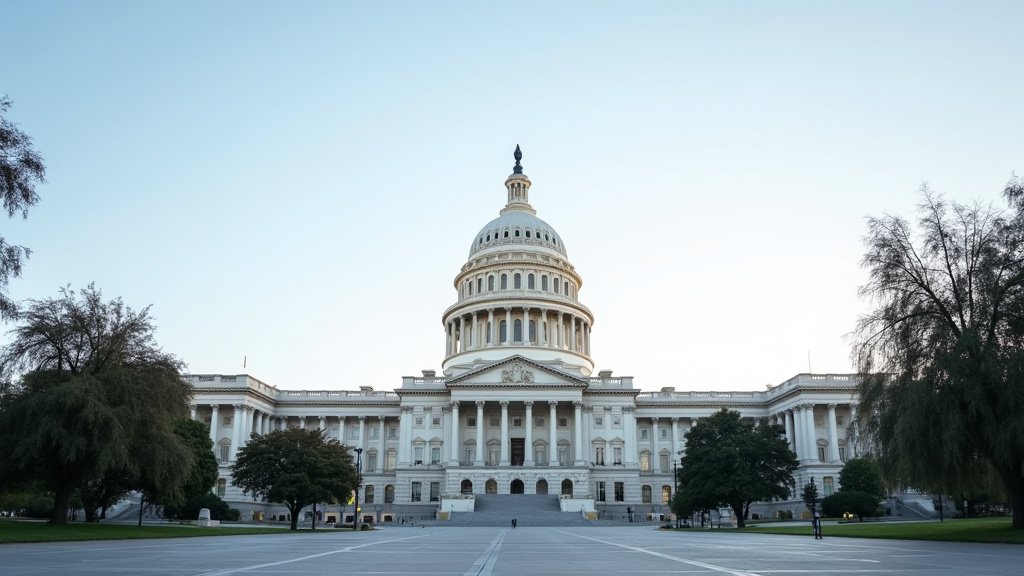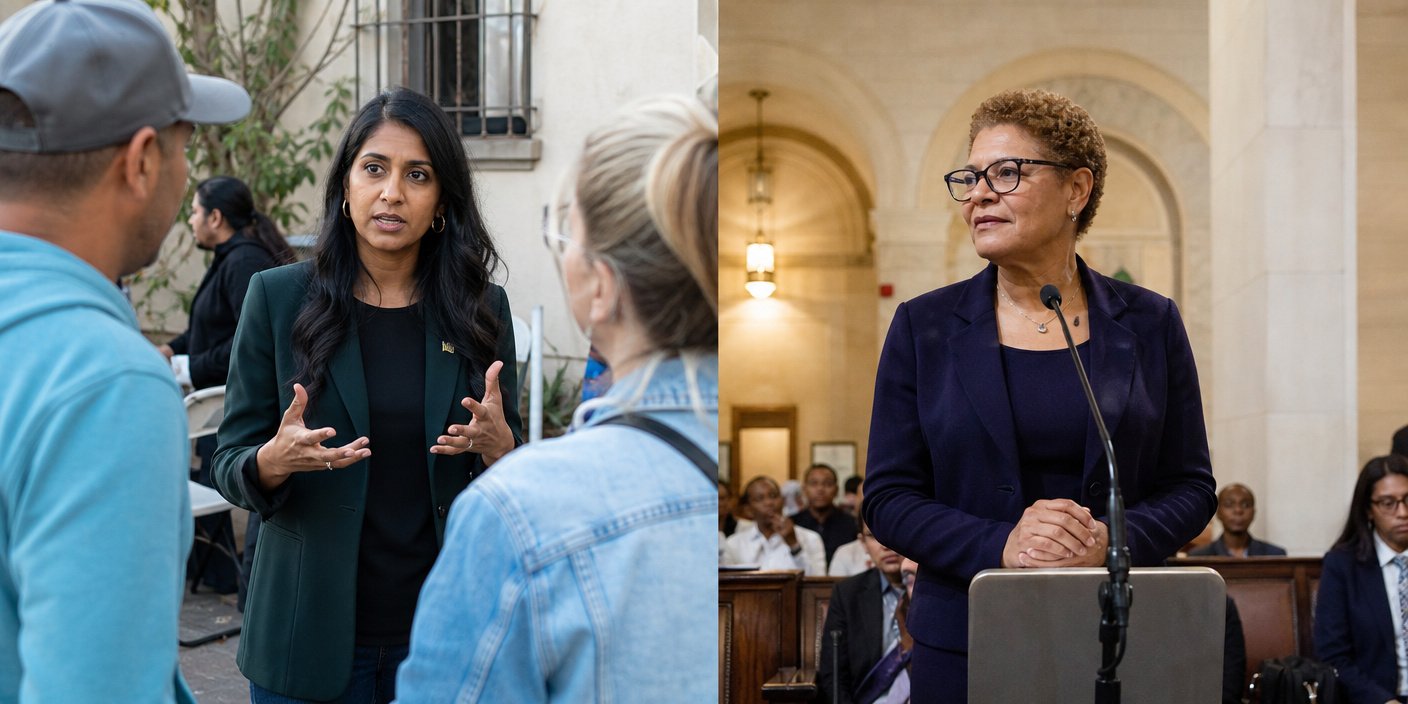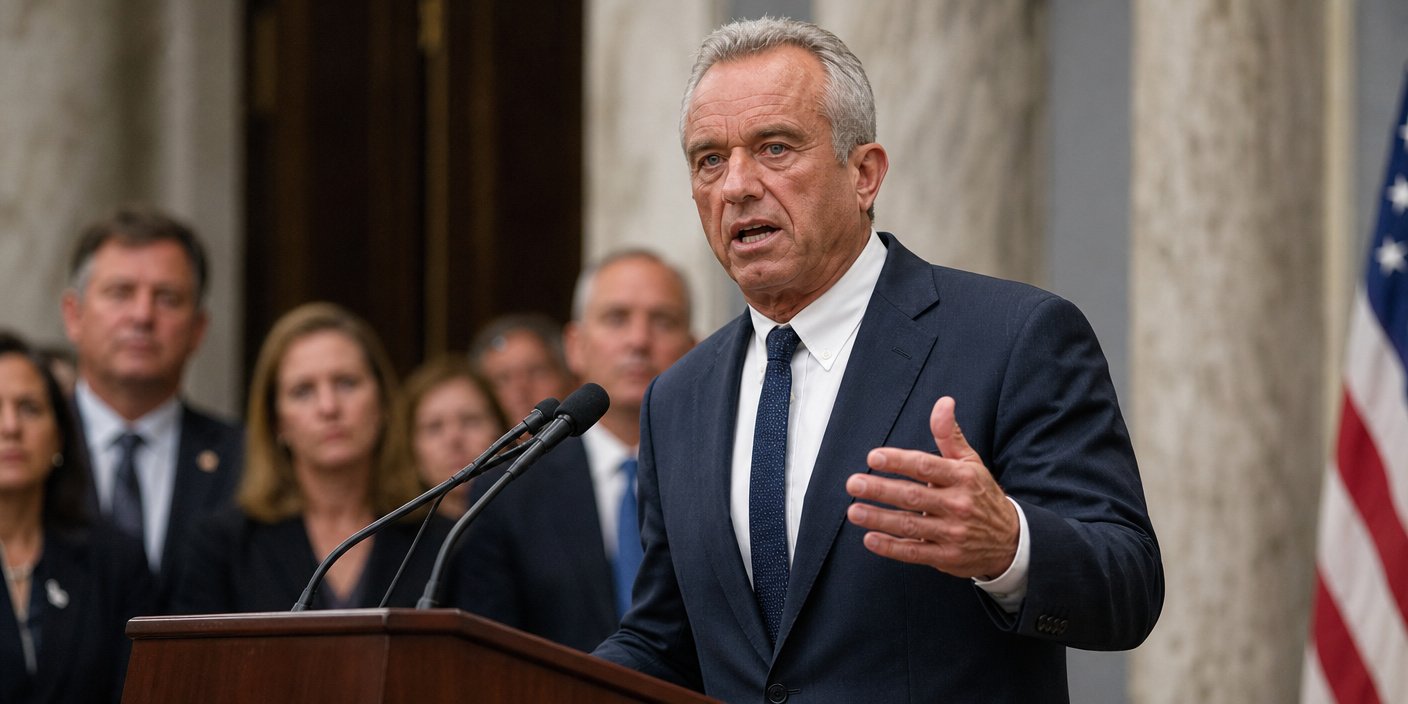
In a decisive intervention that signals a seismic shift in federal domestic policy, U.S. Department of Health and Human Services (HHS) Secretary Robert F. Kennedy Jr. and the Secretary of the Department of Housing and Urban Development (HUD) have launched a direct, scathing critique of Los Angeles’ long-standing homeless response infrastructure. The joint public condemnation, delivered during a press briefing in Washington D.C., centers on the alleged inefficiency, ballooning costs, and lack of tangible results produced by current municipal agencies. Both cabinet members have formally pivoted their strategy to champion faith-based and community-led alternatives, arguing that bureaucratic models have failed to address the root causes of the homelessness crisis.
Key Highlights
- The Federal Critique: HHS Secretary RFK Jr. and the HUD Secretary explicitly criticized the Los Angeles Homeless Services Authority (LAHSA) for mismanagement and lack of transparency.
- Shift in Strategy: The administration is reallocating focus toward faith-based, grassroots organizations, prioritizing localized, values-driven care over sprawling, government-run housing-first programs.
- Metric Accountability: New federal directives will require stricter outcome-based metrics, with current LA-based agency spending under intense scrutiny.
- The Faith Pivot: Proponents argue that religious and charitable organizations offer superior community trust and social support networks compared to state-managed facilities.
The New Federal Stance on Homelessness
For years, Los Angeles has served as the national laboratory for various homelessness intervention strategies. Despite billions of dollars in public funding, the crisis has deepened, with tent encampments and unsheltered individuals remaining a defining feature of the metropolitan landscape. The recent joint statement from HHS and HUD represents the most significant federal intrusion into local policy in recent memory. By publicly ripping into the systemic failures of LA’s existing agencies, the administration is signaling that the era of blind federal subsidies for local homelessness agencies is ending.
Scrutinizing the Los Angeles Model
At the heart of the critique is the perceived failure of the ‘housing-first’ bureaucratic model as it has been executed in Los Angeles. Secretary Kennedy has pointedly questioned the efficacy of the Los Angeles Homeless Services Authority (LAHSA), noting that while the agency receives massive funding infusions, the actual reduction in unsheltered homelessness has remained stagnant. The critique specifically targets administrative bloat—where a significant percentage of federal grants are absorbed by overhead costs—rather than directly aiding the individuals on the street.
Critics of the current system point to the exorbitant cost of developing permanent supportive housing, which can exceed $800,000 per unit in some L.A. municipal projects. The federal secretaries argue that such costs are unsustainable and that the focus should be redirected to more agile, lower-cost interventions that leverage community trust.
The Faith-Based Paradigm
The move to endorse faith-based alternatives is not just a policy pivot; it is a fundamental shift in philosophy. The administration argues that many governmental organizations lack the ‘social capital’ necessary to build long-term relationships with individuals struggling with substance abuse, mental health crises, and chronic homelessness. Religious organizations, according to this new federal directive, often operate with lower administrative overhead and a stronger emphasis on spiritual and emotional rehabilitation, which Secretary Kennedy posits is often the missing ingredient in current government-led programs.
By incentivizing faith-based organizations to take a leading role, the administration intends to foster a network of support that relies on local volunteers, charitable funding, and holistic care models that extend beyond merely providing a roof. This approach seeks to reintegrate individuals into community life rather than warehousing them in state-managed facilities.
Implications for HUD and HHS Collaboration
This initiative marks a unique synergy between HUD and HHS. Historically, these two departments have sometimes operated in silos regarding homelessness—HUD focusing on physical infrastructure (housing) and HHS on the human services component (health, addiction, mental health). Under this new directive, the two agencies are aligning their funding streams to prioritize local NGOs and religious institutions that can integrate these services. This cross-departmental coordination is designed to bypass traditional municipal roadblocks, allowing federal funds to flow more directly to on-the-ground providers who have a proven track record of engagement.
The Road Ahead: Challenges and Resistance
Predictably, the administration’s stance has met with resistance from established municipal advocates who argue that faith-based organizations may be ill-equipped to handle the immense scale of the crisis or that they lack the necessary adherence to secular human rights standards. There is also the concern of legal challenges regarding the separation of church and state, a point that legal experts are already debating. Despite these hurdles, the administration shows no sign of backing down, with plans to launch pilot programs in select LA districts by the next fiscal quarter. The success or failure of these pilot programs will likely dictate the future of federal homelessness funding across the nation for the remainder of the decade.
FAQ: People Also Ask
1. Why is the federal government focusing on Los Angeles specifically?
Los Angeles serves as the epicenter of the US homelessness crisis. The administration views fixing the situation in L.A. as a necessary template for addressing homelessness in other major urban centers nationwide.
2. Will funding for existing government agencies be cut?
While not an immediate, blanket cut, the administration has indicated that future federal grants will be tied to performance and will be increasingly diverted to alternative providers who demonstrate higher efficiency, specifically faith-based groups.
3. What role does RFK Jr. play in this initiative?
As HHS Secretary, RFK Jr. is emphasizing the health and behavioral aspects of homelessness, arguing that long-term recovery is impossible without holistic support, which he believes religious and community organizations are uniquely positioned to provide.
4. Is this legal under current separation of church and state laws?
Legal challenges are anticipated; however, the administration is framing these initiatives as social service provision, which has historically been permitted under various faith-based funding programs, provided the aid is not conditional on religious proselytization.