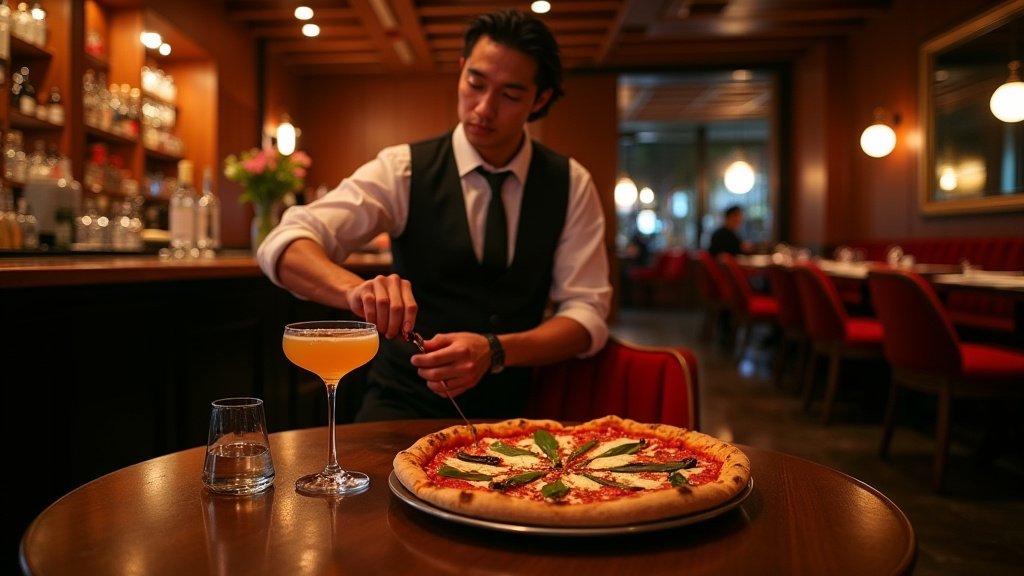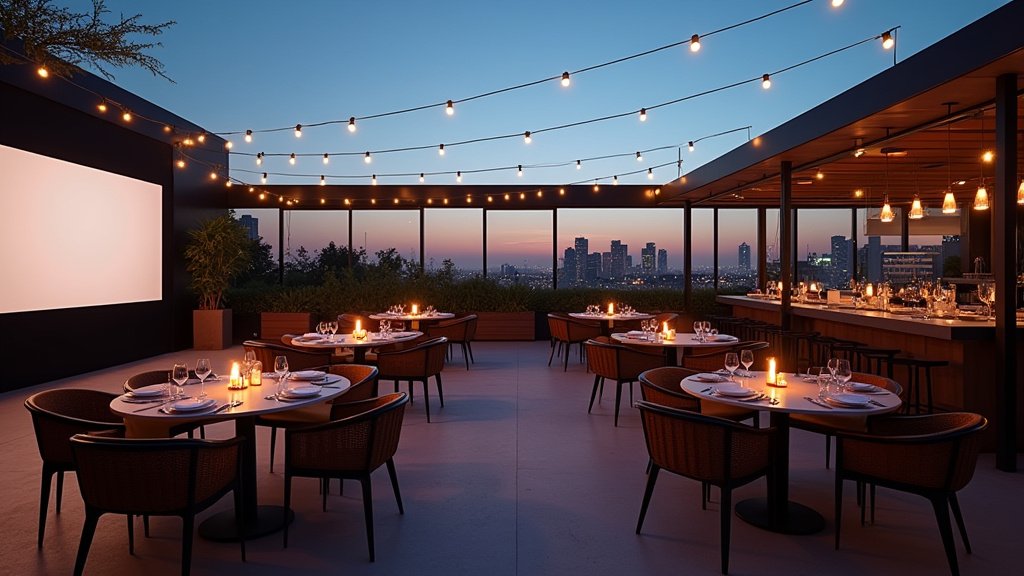
The culinary landscape of Los Angeles’ Arts District is undergoing a significant transformation this July, marked by the arrival of CineOpera, a highly anticipated, multifaceted venue developed by the hospitality collective, Muy Salsa Hospitality. Occupying the high-profile rooftop space previously held by the iconic LA Cha Cha Chá, CineOpera aims to redefine the local hospitality standard by blending high-concept Latin-Italian cuisine with an experiential retail and entertainment component, specifically featuring a bottle shop and communal movie screenings. This pivot represents not just a change in management, but a strategic evolution of how L.A. diners interact with their urban nightlife environments.
Key Highlights
- Strategic Replacement: CineOpera officially takes over the sprawling, coveted rooftop real estate formerly occupied by LA Cha Cha Chá, signaling a new era for one of the Arts District’s most recognizable venues.
- Multifaceted Hospitality: Muy Salsa Hospitality has introduced a unique three-pillar business model: Latin-Italian fusion dining, a curated bottle shop, and an integrated communal cinema screening experience.
- Arts District Shift: The opening underscores the ongoing trend of ‘experiential’ hospitality in Los Angeles, where dining venues are increasingly designed as ‘third places’ that encourage patrons to stay longer and engage in non-dining activities like shopping and film consumption.
The New Hybrid Model of L.A. Dining
A Departure from the Traditional Restaurant Concept
The arrival of CineOpera in the Arts District is a masterclass in the ‘hybrid’ business model that has become increasingly necessary for long-term viability in the competitive Los Angeles restaurant market. By diversifying revenue streams beyond standard dinner service, CineOpera is addressing the rising overhead costs that have challenged traditional restaurateurs in recent years. The integration of a bottle shop allows patrons to transition from diner to consumer, while the communal movie screenings leverage the existing rooftop infrastructure—a legacy of the former LA Cha Cha Chá—to drive late-night foot traffic and engagement.
This shift is particularly relevant given the history of the 812 E 3rd Street space. LA Cha Cha Chá was widely regarded for its vibrant energy and view-centric appeal. CineOpera is tasked with maintaining that prestige while differentiating itself through a menu that bridges Latin and Italian influences—an ambitious pairing that requires careful execution to avoid thematic dissonance. Early reports indicate that Muy Salsa Hospitality intends to focus on premium ingredients to elevate both cuisines, positioning the venue as a destination for both casual nightcaps and full-service dining.
The Cultural Impact of CineOpera
Beyond the menu, CineOpera is attempting to build a social hub. In a city as sprawling as Los Angeles, the ‘communal’ aspect of dining is often overlooked in favor of private booths and intimate settings. CineOpera’s commitment to communal movie screenings on the rooftop is a deliberate attempt to foster a shared social experience. This aligns with the ‘Third Place’ theory, where physical environments outside the home and the workplace foster social interaction and community building. By offering film screenings, the venue creates a reason for patrons to linger, effectively turning a two-hour dinner reservation into a four-hour social outing.
Economic Shifts in Arts District Hospitality
Economic analysts tracking the L.A. dining scene have noted that the Arts District has transitioned from an industrial fringe into a premium hospitality corridor. The transition from LA Cha Cha Chá to CineOpera serves as a case study in the rapid turnover of concepts in this area. It reflects a broader trend: as real estate prices climb, venues must offer more than just high-quality food to succeed. They must offer ‘programming.’ Whether it is retail, film, music, or art, the restaurants of 2024 are becoming lifestyle platforms. Muy Salsa Hospitality’s entry suggests they are betting on the longevity of this experiential trend, hoping to cement their brand in the Arts District by being more than just a place to eat.
Furthermore, the Latin-Italian culinary fusion is a bold move. While fusion concepts are often criticized for lacking focus, the team behind CineOpera is betting on the shared ethos of these two culinary traditions—heavy on comfort, freshness, and the importance of high-quality proteins. This pairing, if successful, could set a new benchmark for fusion dining in the city, providing a fresh alternative to the standard bistro or tapas formats that currently dominate the area.
FAQ: People Also Ask
What happened to the former LA Cha Cha Chá?
LA Cha Cha Chá, which was a landmark venue in the Arts District, has concluded its operations at this specific location, making way for the new CineOpera concept by Muy Salsa Hospitality. This follows a broader trend in L.A. where high-profile spaces are being re-conceptualized to fit changing consumer demands.
What is a ‘hybrid’ dining experience?
A hybrid dining experience refers to restaurants that combine traditional food and beverage service with other retail or entertainment functions. In the case of CineOpera, this includes a dedicated bottle shop for retail sales and an integrated cinema screening experience, effectively creating a ‘one-stop’ social destination.
Is CineOpera suitable for large groups?
Given the venue’s focus on communal movie screenings and its roots in the high-capacity layout of the former LA Cha Cha Chá space, CineOpera is designed to accommodate larger groups and social gatherings, though reservations are recommended as the venue establishes its popularity in the Arts District.
Where is CineOpera located?
CineOpera is located in the heart of the Arts District, occupying the notable rooftop location previously associated with the high-traffic LA Cha Cha Chá site on 3rd Street.