The California dream has long been defined by its coastline, but for the ultra-wealthy and the well-connected, the true dream isn’t just seeing the Pacific—it’s accessing it without the crowds. As summer heat descends upon Southern California, membership at the region’s most exclusive beach clubs becomes the ultimate status symbol, providing a sanctuary from the bustling public sands of Santa Monica and Zuma Beach. This guide navigates the inner sanctums of Malibu and Los Angeles, examining the membership culture, historical prestige, and the distinct lifestyle offered by the institutions that define elite coastal living.
Key Highlights
- The Soho Standard: Little Beach House Malibu maintains its status through a strict ‘no photography’ policy and selective membership vetting, catering to the creative and entertainment elite.
- Historic Exclusivity: The Jonathan Beach Club in Santa Monica continues to uphold its 1920s-era heritage, requiring rigorous sponsorship and nomination from current members to join.
- The Membership Barrier: Access to these clubs is rarely about money alone; it is predicated on a mix of social capital, vetting processes, and often, high initiation fees that can reach into the five figures.
- Public vs. Private: The ongoing tension between private club development and public coastal access remains a significant factor in the regulatory landscape of California’s beaches.
The Golden Coast Gatekeepers: Navigating LA’s Private Sands
The Southern California beach club is not merely a venue for leisure; it is a fortress of privacy. In an era where digital footprints are inescapable and paparazzi culture persists, venues like Little Beach House Malibu and the Jonathan Beach Club serve as essential retreats for high-net-worth individuals and industry titans. These clubs do not just offer loungers and towel service; they offer a curated social environment where the rules of engagement are different from the outside world.
The Soho Influence: Little Beach House Malibu
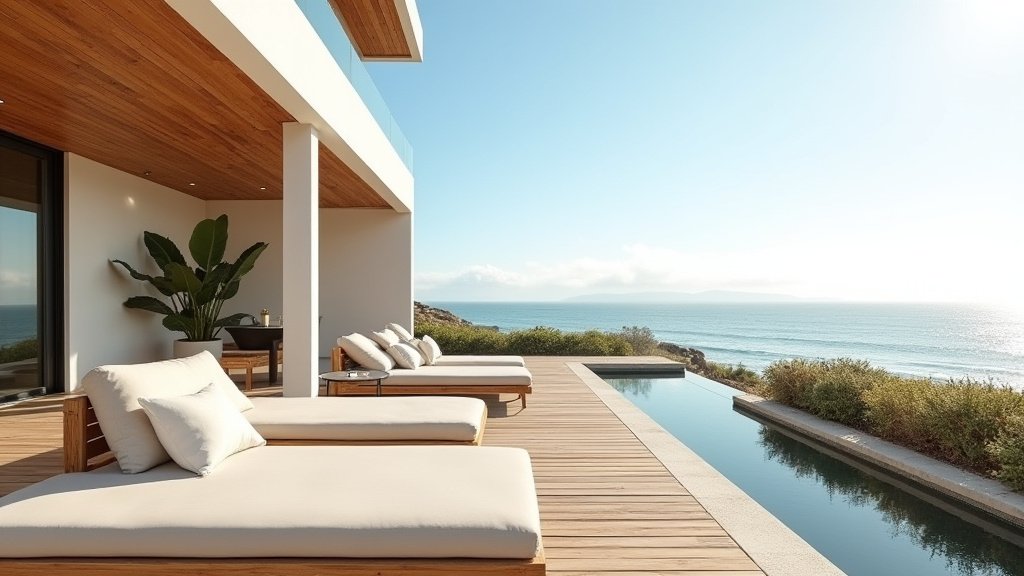
Little Beach House Malibu stands as the contemporary gold standard for the ‘creative elite’ beach club experience. Operative under the global Soho House umbrella, this location specifically curates its demographic toward those in the film, media, and creative industries. The atmosphere is one of deliberate, relaxed sophistication. The interior design emphasizes natural light, cedar-shingled exteriors, and a direct, panoramic view of the Pacific Ocean that remains largely shielded from public voyeurs.
The membership strategy for Little Beach House is notoriously stringent. Unlike public leisure clubs, the ‘Local House’ or ‘Every House’ membership requires an application process that often involves personal referrals. The value proposition here isn’t just the beach access; it is the professional networking potential and the guaranteed privacy. The club famously enforces a no-photography policy, which is the cornerstone of its appeal to high-profile members who demand an environment free from the pressures of social media surveillance.
The Historic Standard: Jonathan Beach Club
While Soho House represents the modern, tech-forward, and entertainment-focused elite, the Jonathan Beach Club in Santa Monica offers a window into the ‘Old Guard’ of Los Angeles wealth. Established in the 1920s, the club operates with a level of tradition that feels distinct from the flashier, newer establishments. It is a family-oriented enclave, known for its extensive facilities, including multiple swimming pools, volleyball courts, and direct, private-access beachfront that remains a rarity in Santa Monica.
Membership at the Jonathan Beach Club is an exercise in lineage and social vetting. New members must typically be nominated by existing members, a process that ensures the club retains its specific cultural and social composition. This structure creates a multigenerational environment. For members, the club is less of a ‘scene’ and more of a second home—a place where the same families have spent their summers for decades, creating a tight-knit community that is effectively invisible to the millions of tourists who flood the public Santa Monica Pier just a few miles down the coast.
Membership Mechanics and The Economics of Privacy
Why do these clubs maintain such high barriers to entry? The answer is rooted in both economics and logistics. The ‘economic impact’ of a private club is significant, yet the primary commodity being traded is not the food or the drink, but the scarcity of space. In the 2024 season, the cost of entry—both in terms of initiation fees and annual dues—acts as a natural filter.
Annual dues for these top-tier establishments often range from $3,000 to over $5,000 for standard tiers, while initiation fees can vary wildly based on the club’s board decisions, often starting at $10,000. However, the true cost is the waitlist. Prospective members can face multi-year queues before their application is even reviewed. This financial and temporal barrier ensures that the club remains a space for those who can afford both the time and the resources to enjoy it, effectively insulating the membership from the volatility of public beach trends.
Beyond the Sand: The Regulatory and Future Landscape
The future of these clubs is inextricably linked to the California Coastal Commission. Historically, the privatization of beach land has been a contentious issue in California. Regulatory bodies maintain a mandate that the shoreline is public property, leading to complex legal agreements regarding ‘public access’ and ‘exclusive use.’
Looking ahead, we are seeing a shift in how these clubs operate. Future predictions suggest that these spaces will lean further into ‘experiential membership’—offering wellness retreats, curated culinary experiences, and digital detox programming. The next phase of the private beach club will likely focus on ‘sanctuary living,’ where the club acts as a holistic wellness hub rather than just a place to sunbathe. As privacy becomes the most expensive commodity in the digital age, these institutions are pivoting to become the only places left in Los Angeles where one can truly be off the grid while still being part of an elite social collective.
FAQ: People Also Ask
1. Can I get a day pass to Little Beach House Malibu if I am not a member?
Generally, no. Little Beach House Malibu is restricted to active Soho House members. Day passes are not a standard offering, and you must be accompanied by an existing member if you are a guest, provided they have guest credits available under their membership tier.
2. What is the difference between a country club and these beach clubs?
While both offer exclusive memberships, beach clubs prioritize oceanfront access and a seasonal, high-summer social calendar. Country clubs focus on golf, tennis, and year-round facility usage. The social demographics and daily ‘vibe’ differ significantly—beach clubs are typically more casual but equally selective.
3. Do these clubs allow non-members to host events?
Some clubs, like the Jonathan Beach Club or the Bel-Air Bay Club, do host private events such as weddings or corporate functions. However, this access is often strictly controlled and limited to specific areas of the club, separate from the primary member-only lounges and pool decks.
4. How does the California Coastal Commission affect these clubs?
All coastal developments must comply with stringent regulations ensuring they do not block public access to the beach. Many clubs operate on long-term leases or have specific deed restrictions that require them to maintain public pathways or beach access points nearby, a balance that is constantly monitored by the Commission.