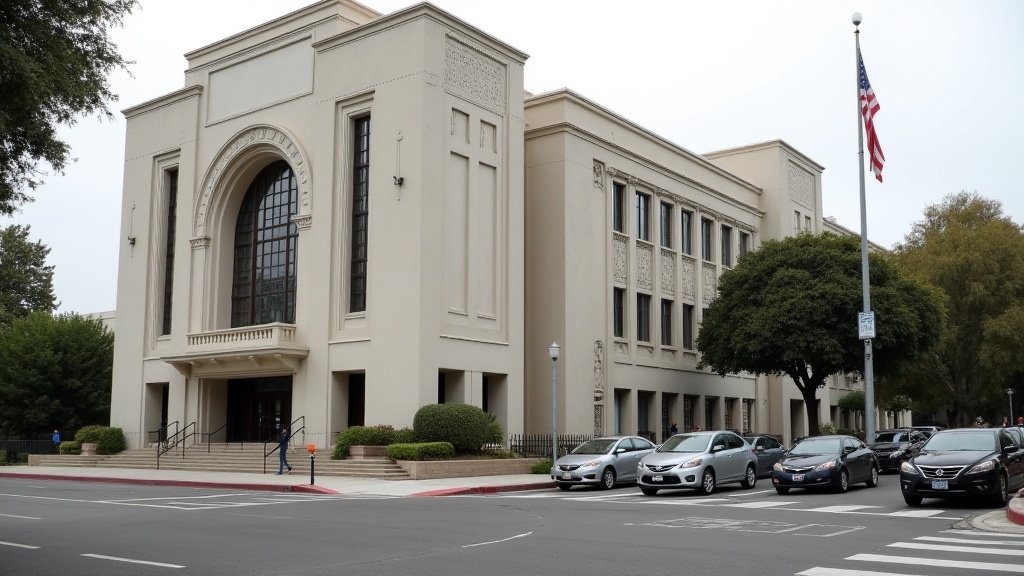
A Los Angeles judge has issued a preliminary injunction blocking a new Los Angeles Police Department policy that would have allowed officers to erase certain arrest records after 18 months, a move critics argued would obscure crucial public safety information. The ruling comes after a coalition of media organizations and public safety advocates filed a lawsuit challenging the policy.
Key Highlights:
- A Los Angeles judge has temporarily stopped a new LAPD policy regarding the expungement of arrest records.
- The policy would have allowed the removal of certain arrest records after 18 months.
- Critics argued the policy would hide important public safety information from the public and oversight bodies.
- The injunction was granted following a lawsuit filed by media and public safety groups.
- The ruling is a significant victory for transparency advocates in the ongoing debate over access to criminal justice data.
Legal Battle Over Arrest Record Secrecy
The policy, introduced by the Los Angeles Police Department, aimed to “cleanse” arrest records that did not lead to conviction after a period of 18 months. Proponents of the policy suggested it was intended to give individuals a fresh start and remove the long-term stigma associated with non-conviction arrests. However, the Los Angeles Superior Court judge presiding over the case sided with plaintiffs who contended that the policy violated California’s public records laws and would severely hamper the public’s ability to access information vital for oversight and accountability.
The Lawsuit and its Implications
The lawsuit, spearheaded by organizations such as the First Amendment Coalition and the Los Angeles Times, argued that the LAPD’s policy was an unlawful attempt to circumvent the California Public Records Act (CPRA). They asserted that arrest records, even those not resulting in conviction, are public documents and that the LAPD’s unilateral decision to erase them was an administrative overreach. The judge’s injunction halts the implementation of this policy while the full merits of the case are litigated. This legal challenge underscores a broader tension between law enforcement agencies’ internal record-keeping practices and the public’s right to information concerning law enforcement activities.
Public Safety and Transparency Concerns
Opponents of the LAPD’s policy expressed grave concerns about its potential impact on public safety. They argued that non-conviction arrest data can be crucial for identifying patterns of behavior, assessing potential risks posed by individuals in certain professions, and informing law enforcement’s understanding of ongoing criminal activity. Without access to this information, journalists, researchers, and the public would be unable to conduct thorough investigations or hold law enforcement accountable for its actions. The injunction provides a temporary reprieve, ensuring that these records remain accessible during the legal proceedings.
Entities Involved
The case involves several key entities: The Los Angeles Police Department (LAPD), which sought to implement the policy; the Los Angeles Superior Court, which issued the injunction; and the coalition of media and public safety advocates, including the First Amendment Coalition and the Los Angeles Times, which challenged the policy. The outcome of this case could have far-reaching implications for public access to law enforcement records across California.
Secondary Angles
Historical Context: This legal battle echoes historical debates about the balance between privacy and public access to government records. For decades, various jurisdictions have grappled with how to manage and disseminate information related to arrests and criminal proceedings, often leading to legislative changes and court challenges. The current case is a modern manifestation of this enduring struggle, amplified by digital record-keeping and increased public demand for transparency.
Economic Impact: While not a primary focus of the lawsuit, the accessibility of arrest records can have indirect economic implications. For instance, employers conducting background checks, even if they are legally restricted from using certain non-conviction data, rely on the availability of accurate information to make informed hiring decisions. Furthermore, a lack of transparency can foster mistrust, potentially impacting community-business relations and economic development.
Future Policy Predictions: The outcome of this injunction and subsequent litigation could set a precedent for how other law enforcement agencies in California manage and potentially expunge arrest records. If the court upholds the plaintiffs’ arguments, it could lead to stronger legal protections for public access to such records, forcing agencies to be more transparent. Conversely, if the LAPD’s arguments prevail, it might encourage similar policies elsewhere, potentially leading to more restricted access to non-conviction arrest data.
FAQ: People Also Ask
What is a preliminary injunction?
A preliminary injunction is a court order issued early in a lawsuit to prohibit a party from doing a certain act until the court decides the case. It is granted when the moving party demonstrates a likelihood of success on the merits of their claim and that irreparable harm would occur without the injunction.
What is the California Public Records Act (CPRA)?
The CPRA is a state law that guarantees the public’s right to access public records maintained by state and local government agencies in California. It ensures transparency and accountability by allowing citizens to request and review documents and information held by public bodies.
Why is access to non-conviction arrest records important?
Access to non-conviction arrest records is considered important by transparency advocates for several reasons. These records can help identify patterns of behavior, inform public safety assessments, and provide a more complete picture of an individual’s history when relevant to public interest. They are also seen as critical for journalistic investigations and oversight of law enforcement practices.
What happens if the LAPD loses the full case?
If the LAPD ultimately loses the full case, the court may issue a permanent injunction, permanently blocking the challenged policy and potentially setting new guidelines for record management and public access. This could require the LAPD to maintain or make accessible certain arrest records that they had intended to erase.
Can all arrest records be erased after 18 months under the new policy?
The LAPD’s policy was reportedly intended to apply to specific types of arrest records that did not result in a conviction. It was not a blanket policy for all arrest records, and the exact criteria for which records would be eligible for cleansing were central to the legal challenge.