California is grappling with a severe drought, prompting urgent warnings from water experts about the state’s long-term water security. As reservoirs dwindle and snowpack diminishes, the Golden State faces a precarious future if significant changes aren’t made to water management and conservation efforts.
Key Highlights:
- Critical reservoir levels are at historic lows.
- Reduced snowpack in the Sierra Nevada significantly impacts water supply.
- Experts urge immediate, drastic water conservation measures.
- Potential for widespread water restrictions and agricultural impacts.
- Long-term solutions involving infrastructure and policy changes are needed.
California’s Water Crisis Deepens
The specter of drought has long loomed over California, but recent years have seen the situation escalate into a full-blown crisis. Compounding the issue is a combination of persistent dry conditions and a drastically reduced snowpack in the crucial Sierra Nevada mountain range. This snowpack typically acts as a natural reservoir, slowly melting throughout the spring and summer to replenish rivers and reservoirs. However, this year, the meager accumulation signals a severely diminished water supply for the coming months.
Declining Reservoir Levels
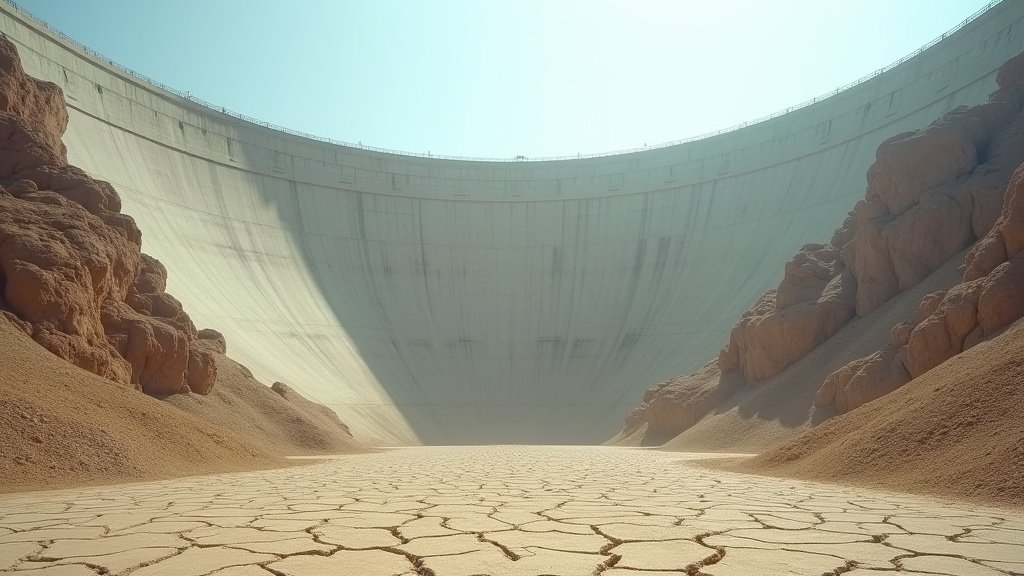
Major water sources across the state are experiencing alarming drops. Lake Oroville, a key reservoir for the State Water Project, is reportedly at its lowest point in decades. Similarly, Lake Shasta, the largest reservoir in California, is far below its capacity. These dwindling reserves put immense pressure on water deliveries to millions of Californians, as well as the state’s vital agricultural sector.
The Impact of Reduced Snowpack
For years, climate scientists have warned about the consequences of rising global temperatures on natural water storage. In California, this translates directly to less snow falling at higher elevations and warmer temperatures causing snow to melt earlier in the season, before it can be effectively captured and distributed. This year’s critically low snowpack is a stark reminder of these predictions, forcing state officials to consider more aggressive water conservation measures.
Agricultural Strain
California’s agricultural industry is a massive economic driver, but it is also a significant water consumer. With reduced water availability, farmers are already facing difficult decisions. Some are being forced to fallow fields, reduce crop yields, or switch to less water-intensive crops. The long-term implications for food prices and the state’s agricultural economy are substantial.
Expert Recommendations and Future Outlook
Water experts are unanimous in their call for action. They emphasize that conservation must be a year-round commitment, not just a response to immediate shortages. Beyond individual conservation efforts, there’s a growing consensus that California needs significant investment in water infrastructure, including repairing aging dams, expanding water storage capacity, and improving water recycling and desalination technologies. Policy reforms to encourage more efficient water use and better inter-agency coordination are also deemed critical for navigating the state’s water future.
FAQ: People Also Ask
What are the main causes of California’s drought?
The primary causes are a combination of prolonged periods of below-average precipitation, higher temperatures leading to increased evaporation, and a diminished snowpack in the Sierra Nevada mountains, which typically serves as a natural water reservoir.
How does the snowpack affect California’s water supply?
The snowpack in the Sierra Nevada acts as a critical water reserve. As it melts throughout the spring and summer, it feeds rivers and replenishes reservoirs, providing a substantial portion of the state’s water supply. A low snowpack means less water available during the dry months.
What are the economic impacts of the drought on California?
The drought severely impacts the state’s large agricultural sector, leading to reduced crop yields, increased irrigation costs, and potential job losses. It also affects industries reliant on water, such as tourism and recreation, and can lead to higher water and energy prices for consumers.
What measures are being implemented to combat the drought?
Measures include voluntary and mandatory water use restrictions for residents and businesses, increased investment in water recycling and desalination projects, efforts to improve water storage infrastructure, and programs to assist farmers in adopting more water-efficient irrigation techniques.
What is the long-term outlook for California’s water supply?
Climate change projections suggest that California may face more frequent and intense droughts in the future. Long-term solutions focus on adapting to these conditions through enhanced water conservation, improved infrastructure, sustainable agricultural practices, and robust water management policies.