U.S. Immigration and Customs Enforcement (ICE) is significantly increasing scrutiny on Form I-9 compliance, exposing businesses to substantially higher fines and leaving no margin for error in employment eligibility verification.
- Employers face unprecedentedly steep penalties for I-9 violations.
- ICE’s enhanced enforcement targets all businesses, regardless of size.
- Proactive auditing and meticulous record-keeping are now critical.
- Failure to comply can lead to severe financial and operational disruptions.
The New Era of I-9 Enforcement
In a notable shift, U.S. Immigration and Customs Enforcement (ICE) has intensified its focus on the proper completion and retention of Form I-9, Employment Eligibility Verification. This heightened enforcement posture translates into significantly increased fines for employers found to be non-compliant. The agency’s message is clear: the era of leniency is over, and businesses must prioritize meticulous adherence to these federal regulations to avoid severe financial penalties and operational disruptions. The updated fine structure, which can reach thousands of dollars per form, means even minor errors can accumulate into substantial liabilities. This crackdown affects all employers, regardless of their industry or size, making a thorough review of current I-9 practices an immediate necessity for any organization that hires employees in the United States.
Understanding the Form I-9
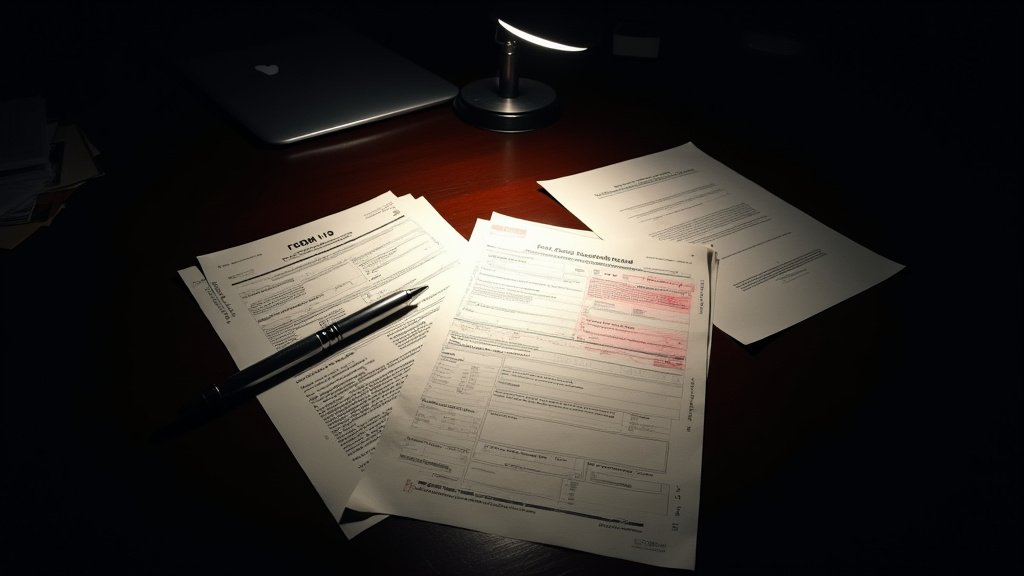
The Form I-9 is a crucial document used to verify the identity and employment authorization of individuals hired in the United States. Since its inception, employers have been required to complete and retain this form for every employee, ensuring that individuals are legally permitted to work in the U.S. The process involves employees presenting original documents proving their identity and work authorization, and employers examining these documents to ensure they appear genuine and relate to the employee.
The Escalation of Fines
Recent adjustments to the civil monetary penalties associated with Form I-9 violations have dramatically increased the financial risk for employers. These penalties are adjusted annually for inflation, meaning the potential fines are not static. For instance, a single instance of failing to properly complete or retain a Form I-9 can now result in fines ranging from several hundred to several thousand dollars. When multiplied across a workforce, especially for systemic errors found during an audit, these costs can become astronomical. This aggressive fine structure underscores ICE’s commitment to enforcing immigration and employment laws.
ICE’s Enforcement Strategy
ICE employs various methods to identify and investigate potential I-9 violations. This includes unannounced audits, responding to whistleblower tips, and cross-referencing employer data with other government databases. Employers can expect a rigorous examination of their I-9 records, including not only the forms themselves but also the process by which they are completed, updated, and stored. ICE auditors will look for timely completion, proper document examination, and accurate information for all employees hired on or after November 28, 1996. They also scrutinize whether employers are demanding specific documents or discriminating against employees based on their national origin or immigration status.
Best Practices for Compliance
To mitigate risks, businesses should implement a robust I-9 compliance program. This includes:
- Regular Audits: Conduct periodic internal audits of I-9 forms to identify and correct errors before an ICE audit occurs.
- Training: Ensure that all personnel involved in the hiring process are thoroughly trained on I-9 requirements and best practices.
- Document Retention: Maintain a clear and organized system for storing completed I-9 forms and associated documents, adhering to retention deadlines.
- Technology Solutions: Consider utilizing I-9 management software that can help automate compliance, track expiration dates, and flag potential issues.
- Stay Updated: Keep abreast of any changes in I-9 regulations and fine structures issued by the Department of Homeland Security.
FAQ: People Also Ask
What are the most common I-9 errors?
Common I-9 errors include failing to complete Section 1 or Section 2, not examining original documents, accepting expired or unexpired documents, not reverifying employment authorization when required, and improper retention or storage of forms.
Can employers be fined for minor I-9 errors?
Yes, even seemingly minor errors can lead to fines, especially if they are systemic or discovered during an ICE audit. The penalty amounts vary based on the type of violation and the number of affected forms.
How long must employers retain I-9 forms?
Employers must retain each Form I-9 for the longer of three years after the date of hire or one year after employment is terminated.
What is the role of the Department of Homeland Security (DHS) in I-9 compliance?
DHS, through agencies like ICE and USCIS, is responsible for setting the rules and enforcing compliance related to the Form I-9. They provide the form, issue regulations, and conduct audits to ensure employers are meeting their verification obligations.
What happens if an employer refuses an ICE audit?
Refusing an ICE audit or inspection can result in additional penalties and may lead to a more extensive investigation. Employers are legally obligated to present their I-9 records upon request by authorized government officials.