
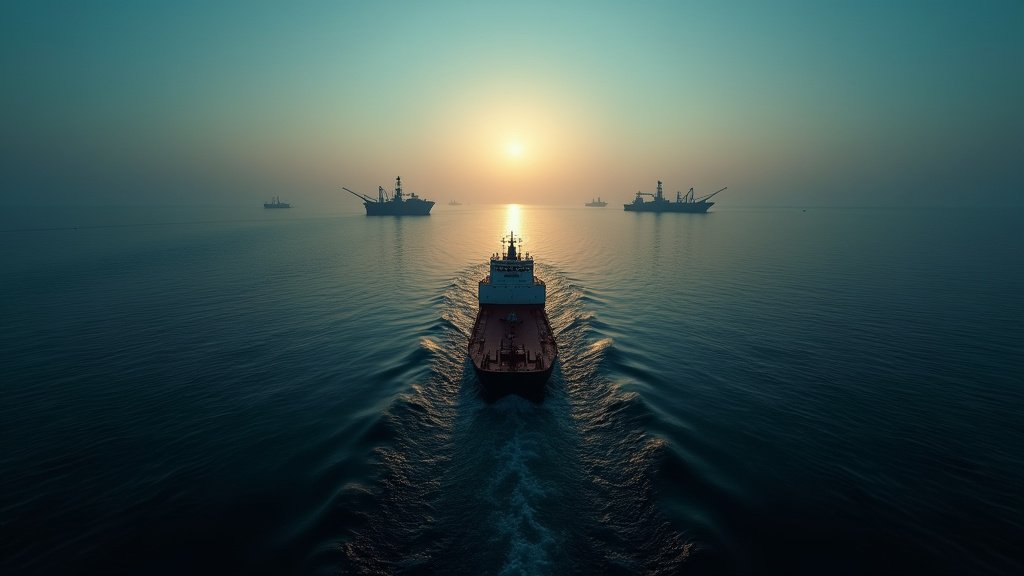
Iran is reportedly reviewing a significant US peace proposal aimed at de-escalating tensions in the Strait of Hormuz, a crucial global shipping lane. Concurrently, the US Secretary of State has engaged in high-level diplomatic discussions with Pope Francis, signaling a broad effort to foster international stability. The dual diplomatic initiatives underscore the complex geopolitical landscape, with critical maritime security and interfaith dialogue taking center stage.
Key Highlights:
- Iran is evaluating a US-led peace proposal concerning the Strait of Hormuz.
- Tensions in the vital waterway remain a primary global concern.
- The US Secretary of State met with Pope Francis, indicating a focus on diplomatic engagement.
- The meetings suggest a multi-faceted approach to international diplomacy.
Navigating the Strait: Diplomacy Amidst Maritime Tensions
The geopolitical chessboard has seen significant activity as Iran reportedly considers a US peace proposal, a development that could offer a pathway to reducing escalating tensions in the Strait of Hormuz. This vital waterway, through which a substantial portion of the world’s oil supply transits, has been a focal point of international concern due to recent maritime incidents and heightened rhetoric. The US initiative signals a proactive diplomatic stance, seeking to avert potential conflict and ensure freedom of navigation.
The US Proposal: A Diplomatic Gambit
Details of the US peace proposal remain undisclosed, but its core objective is understood to be the de-escalation of military posturing and the establishment of clearer maritime protocols. Sources suggest the proposal may include provisions for increased transparency, joint patrols, or confidence-building measures to prevent accidental clashes. The review process within Iran indicates a serious consideration of the US overtures, though official statements have been cautious, reflecting the complex internal and external pressures shaping Iran’s foreign policy.
The Papal Meeting: Interfaith and Geopolitical Synergy
In parallel to the Hormuz-related diplomacy, the US Secretary of State’s meeting with Pope Francis adds another significant layer to the US’s international engagement. The Vatican, through its long-standing role in mediating disputes and promoting peace, often serves as a unique diplomatic platform. This encounter likely focused on shared concerns regarding global stability, humanitarian issues, and the role of interfaith dialogue in fostering understanding. The synergy between addressing regional maritime security and engaging in broader diplomatic outreach highlights a comprehensive US foreign policy strategy.
Strait of Hormuz: A Flashpoint of Global Significance
The Strait of Hormuz, a narrow waterway connecting the Persian Gulf to the open ocean, is of paramount importance to the global economy. Its strategic location makes it a critical chokepoint for oil tankers, and any disruption to its traffic can have immediate and severe repercussions on global energy markets. Recent years have seen an increase in incidents involving commercial shipping, naval forces, and alleged acts of sabotage, heightening international vigilance and prompting calls for de-escalation and diplomatic solutions.
Iran’s Strategic Calculus
For Iran, the review of the US proposal involves a careful balancing act. On one hand, de-escalation could alleviate economic pressure stemming from international sanctions and reduce the risk of military confrontation. On the other hand, any agreement would need to be perceived as safeguarding national interests and sovereignty. The Iranian leadership will be weighing the potential benefits of a diplomatic resolution against domestic political considerations and regional security dynamics. The outcome of these deliberations could have far-reaching implications for stability in the Middle East.
The Vatican’s Diplomatic Role
Pope Francis and the Holy See have consistently advocated for peace, dialogue, and the protection of human dignity. The Vatican’s diplomatic influence, while not military or economic, is rooted in moral authority and its extensive network of relations. Engaging with the US Secretary of State, the Pope can lend his voice to calls for de-escalation and encourage a peaceful resolution to geopolitical disputes. Such meetings often serve to underscore the shared commitment to a more peaceful and just world order.
FAQ: People Also Ask
What is the Strait of Hormuz and why is it important?
The Strait of Hormuz is a strategically vital narrow waterway that connects the Persian Gulf to the Gulf of Oman and the open sea. It is one of the world’s most critical oil transit points, with approximately 20-30% of the world’s total oil consumption passing through it daily. Its strategic importance makes it a frequent point of geopolitical tension.
What are the typical tensions experienced in the Strait of Hormuz?
Tensions in the Strait of Hormuz often stem from disputes over maritime boundaries, freedom of navigation, international sanctions, and regional rivalries, particularly between Iran and its Arab neighbors, as well as the United States. Incidents can include seizures of vessels, harassment of shipping, and military posturing.
What is the role of the Pope in international diplomacy?
The Pope, as the head of the Catholic Church, often plays a significant role in international diplomacy through the Holy See. The Vatican engages in diplomatic relations with many countries and international organizations, advocating for peace, human rights, humanitarian aid, and interfaith dialogue. The Pope’s pronouncements and meetings can influence global opinion and encourage peaceful resolutions to conflicts.
How might a US peace proposal impact Iran’s economy?
If a US peace proposal leads to de-escalation of tensions and a reduction in international sanctions, it could have a significantly positive impact on Iran’s economy. This could lead to increased oil exports, renewed foreign investment, and greater access to international financial markets, thereby improving economic conditions for the country.
What are confidence-building measures in international relations?
Confidence-building measures (CBMs) are actions taken by states to reduce mistrust and increase transparency with potential adversaries. Examples include prior notification of military exercises, observation of military maneuvers, exchanges of military personnel, and the establishment of direct communication channels to prevent miscalculation and accidental escalation.