The arrival of Noma in Los Angeles has been less of a restaurant opening and more of a cultural earthquake. Nestled in a discreet location in Silver Lake, the 16-week residency from René Redzepi’s Copenhagen-based institution demands a $1,500-per-head entry fee—a figure that has ignited intense debate regarding the democratization of fine dining, the ethics of luxury, and the true cost of culinary excellence. As diners sit down to experience a menu that promises to reinterpret the California landscape through a Danish lens, the question remains: is this truly the future of food, or merely a performative excess in an era of heightened sensitivity? The experience is a study in contrasts, where hyper-local ingredients meet a global stage, and where every bite is laden with the weight of expectation and a brewing, public storm of criticism.
Key Highlights
- A $1,500 investment per person, inclusive of beverage pairing, tax, and service, sets a new benchmark for temporary dining experiences in the United States.
- The 16-course menu acts as a love letter to Southern California, utilizing ingredients like cactus, acorn, and wild-foraged desert flora alongside traditional fermentation techniques.
- Operational transparency: Redzepi has justified the astronomical pricing as a necessity to cover the relocation of over 130 staff members from Denmark, including housing and schooling for families.
- The residency is currently operating under the shadow of resurfaced abuse allegations against Redzepi, leading to public protests and the withdrawal of major corporate sponsors.
- The project serves as a test case for whether the world’s most elite culinary brands can successfully export their identity without becoming untethered from the community they are visiting.
The Anatomy of an Unprecedented Residency
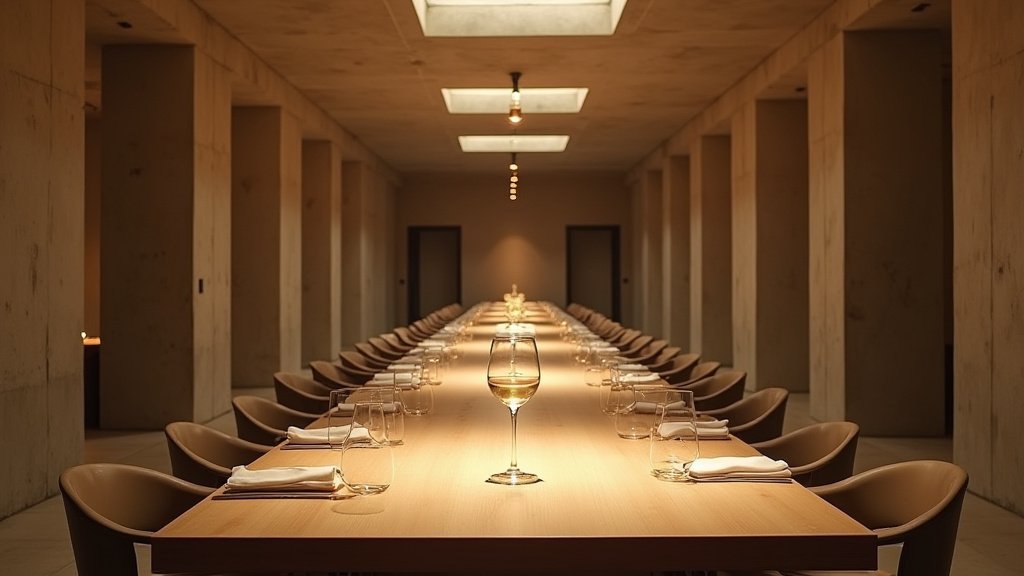
The Noma LA residency, slated to run through June 2026, is not merely a pop-up; it is a logistical fortress. Located in an undisclosed Silver Lake facility to preserve the privacy of the surrounding neighborhood, the dining room is a masterclass in atmospheric design—minimalist, hushed, and intensely focused. Upon arrival, the din of Los Angeles traffic fades, replaced by a curated soundscape and the rhythmic efficiency of a team that has perfected the art of the multi-course symphony. This is not the Noma of 2010; this is a globalized, nomadic Noma that has sharpened its skills in Japan, Mexico, and now, the sun-drenched Pacific coast.
The California Terroir
The menu, developed over months of research trips, is designed to challenge the palate. It is distinctively ‘Noma’—fermented, foraged, and occasionally challenging—but unmistakably Californian. There are courses that highlight the Central Valley’s regenerative agriculture, others that explore the depths of the Pacific, and some that draw from the desert landscapes bordering the city. The technical execution is flawless; the challenge lies in the conceptual bridge between Nordic preservation techniques and the abundance of local produce. Guests are treated to morsels that feel less like ‘dinner’ and more like ‘edible philosophy,’ with each plate serving as a testament to the team’s ability to find luxury in the unconventional.
The Logistics of a $1,500 Bill
Critics have been vocal about the price, questioning how a meal can justify a cost that exceeds the monthly grocery budget of an average family. However, looking at the backend reveals a starkly different economic model than a standard restaurant. Noma is effectively transporting an entire ecosystem. Moving 130 staff members, securing visas, paying for accommodation in the notoriously expensive LA housing market, and maintaining a high ratio of staff to guests creates an overhead that few restaurants, if any, could sustain without significant loss. Redzepi has long maintained that this project is not about profit, but about ‘big experiences’—a philosophy that rings true in the sheer scale of the operation, even if it feels jarring to the public.
A Clouded Success
Despite the culinary brilliance on display, the residency cannot be viewed in a vacuum. It is unfolding against a backdrop of serious allegations concerning the work culture within the Noma organization. Resurfaced accounts from former staff regarding physical, verbal, and psychological abuse have cast a pall over the residency. This has culminated in organized protests at the Silver Lake site, creating a jarring dichotomy: the quiet luxury inside the walls versus the vocal, urgent political discourse occurring on the sidewalk just outside. This tension is perhaps the most significant ingredient in the Noma LA experience—one that diners must reconcile with their own conscience as they prepare for the first course.
The Verdict: Worth It?
Is it worth $1,500? For the culinary purist, the answer may be yes—provided one separates the food from the controversy. It is a masterclass in technique, a unique opportunity to taste a specific, fleeting interpretation of California. However, for those who believe fine dining must now grapple with its societal impact, the price feels less like a reflection of ingredients and labor and more like a barrier to entry. The Noma LA residency is, ultimately, a mirror of the industry itself: incredibly talented, technically unmatched, and currently struggling to find its place in a world that is asking uncomfortable questions about who gets to eat at the table and how those meals are paid for.
FAQ: People Also Ask
1. Why is Noma in Los Angeles?
René Redzepi chose Los Angeles for a 16-week residency to explore the city’s unique cultural collision, biodiversity, and agricultural wealth, marking the most ambitious international project for the Copenhagen restaurant to date.
2. What does the $1,500 price tag include?
The fee is an all-inclusive package covering the multi-course tasting menu, beverage pairings, service, and tax. It is designed to cover the operational costs of relocating the entire Noma staff from Denmark to Los Angeles.
3. Is it still possible to get a reservation?
Reservations were released in late January via the Noma newsletter and sold out almost immediately. While waitlists exist, securing a table is statistically improbable for the general public.
4. Is the Noma Projects shop open to the public?
Yes, the Noma Projects shop in Silver Lake is accessible to the public and sells a range of retail items, including sauces, coffee, and pantry staples, independent of the dining residency.
5. How has the community reacted to the residency?
The reaction has been deeply divided. While food enthusiasts have praised the menu, the residency has faced significant backlash and organized protests regarding the cost of the meal and historical allegations of abusive labor practices at the restaurant.