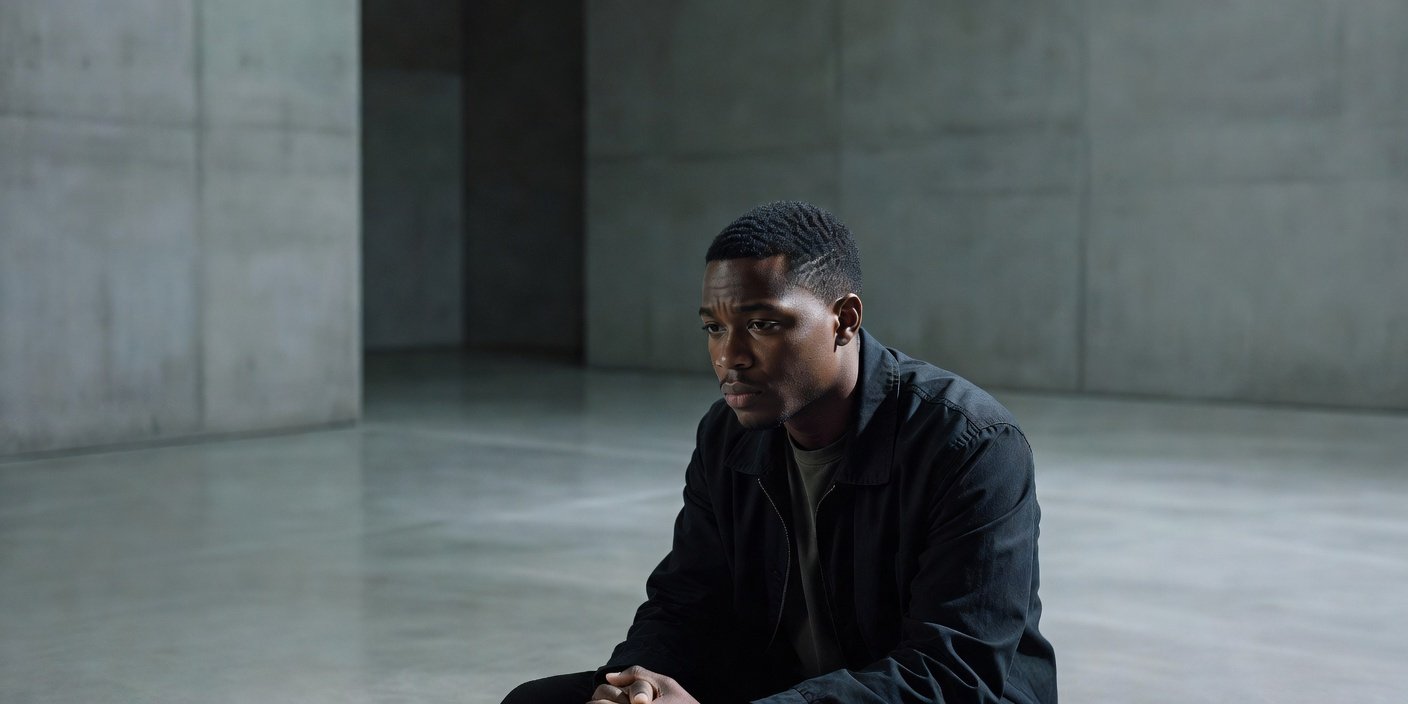
In a development that has sent shockwaves through the entertainment industry and legal circles alike, the murder case involving alt-pop singer D4vd—legally identified as David Anthony Burke—has reached a critical junction. As Los Angeles prosecutors and the defense team prepare for a protracted legal battle, a pivotal movement occurred this week regarding the public accessibility of evidence. The lifting of a long-standing court-ordered seal on the medical examiner’s report has provided new, granular details regarding the death of 14-year-old Celeste Rivas Hernandez, whose remains were discovered in a vehicle registered to the artist last September. This shift represents a aggressive pivot in the legal proceedings, with both sides navigating the complex intersection of high-profile celebrity and the stark realities of capital murder charges.
Key Highlights
- Autopsy Report Released: Following a months-long legal hold, the Los Angeles County Medical Examiner’s autopsy report for Celeste Rivas Hernandez has been unsealed, revealing the victim died from penetrating wounds to the upper body.
- Formal Charges: David Anthony Burke, known professionally as D4vd, remains held without bail, facing charges of first-degree murder, continuous sexual abuse of a child under 14, and mutilation of human remains.
- Defense Strategy: Attorneys for Burke have publicly stated that the evidence will prove his innocence, setting the stage for a defense that likely challenges the prosecution’s timeline and the integrity of the collected forensic data.
- Special Circumstances: The prosecution has leveled serious special circumstance allegations, including lying in wait, murder for financial gain, and witness intimidation, elevating the potential sentencing to life without parole or the death penalty.
The Path to Prosecution: Evidence and Allegations
The case against David Anthony Burke has evolved from a mysterious disappearance into one of the most high-profile homicide investigations in recent Los Angeles history. Since the discovery of Rivas Hernandez’s remains in a Tesla registered to the singer, investigators have utilized digital forensics and forensic pathology to build a narrative that suggests premeditation. For months, the investigation remained shielded by grand jury secrecy and court orders, creating a vacuum of information that only intensified public scrutiny. The recent decision to unseal the autopsy report is a tactical maneuver that strips away some of the procedural secrecy, allowing the public and the legal teams to engage with the physical realities of the crime.
The Autopsy Findings and Forensic Reality
The medical examiner’s report provides the first concrete, non-speculative details regarding the nature of Rivas Hernandez’s death. The findings point to penetrating injuries, specifically noting damage to the upper body and torso, with the autopsy limited by the ‘extensive postmortem changes’ caused by the timeline of the remains’ disposal. These findings serve as the foundation for the prosecution’s claim that the death was a violent homicide. By releasing this document, the court has allowed for a more transparent, albeit graphic, understanding of the state of the evidence, which will undoubtedly become a centerpiece of the testimony from expert witnesses in the coming months. For the defense, the focus will likely shift to the timing of these wounds and whether forensic limitations can cast doubt on the prosecution’s specific narrative of events.
The Legal Battle Over Evidence
The legal team representing Burke has signaled a strategy focused on dismantling the prosecution’s causal chain. While the defense previously attempted to maintain a posture of silence, the unsealing of evidence has necessitated a more proactive approach. Their public assertion—that the ‘actual evidence’ will clear Burke—suggests a strategy aimed at either refuting the forensic timeline or introducing alternative explanations for the presence of the victim’s remains. This is a high-stakes gamble; if the defense can successfully challenge the reliability of the forensic pathology or the timeline established by digital footprint data, they may erode the foundational credibility of the prosecution’s ‘lying in wait’ theory.
Prosecution’s Theory: Motive and Opportunity
The District Attorney’s office, led by Nathan Hochman, has constructed a motive centered on the protection of a burgeoning career. The prosecution alleges that Rivas Hernandez threatened to expose a long-term, illicit sexual relationship with Burke, and that this threat provided the catalyst for the murder. By alleging that the crime was committed for ‘financial gain’—to preserve his commercial viability—prosecutors have invoked special circumstances that drastically alter the sentencing calculus. This theory attempts to paint a portrait of a suspect who acted out of perceived necessity to safeguard his professional rise, a narrative that effectively bridges the gap between the mundane realities of the artist’s life and the horrific nature of the alleged crime.
Secondary Analysis: The Evolution of Digital Evidence
The investigation into the death of Celeste Rivas Hernandez highlights the modern reliance on digital forensics in homicide cases. In the absence of traditional eyewitnesses, prosecutors have increasingly turned to ‘silent witnesses’—GPS logs, cloud-based activity, and encrypted communication data. The D4vd case serves as a masterclass in this paradigm shift, where investigators spent months aggregating ’40 terabytes’ of data to piece together the movements of both the suspect and the victim. This reliance on digital trails creates a unique challenge for defense attorneys, who must now contest not just the physical evidence, but the algorithms and metadata that form the digital backbone of the prosecution’s case.
Secondary Analysis: Celebrity and Criminality
Perhaps the most striking element of this case is the public’s fascination with the fall of an emerging celebrity. The juxtaposition of D4vd’s rising career—known for his melancholic, introspective ‘alt-pop’ sound—and the brutal allegations against him provides a disquieting look at the public persona versus private reality. This case challenges the culture of celebrity, as fans and observers grapple with the disconnect between the artist’s aesthetic and the grotesque nature of the crimes described in the criminal complaint. It raises broader questions about how modern audiences process the moral failure of icons and the extent to which fame acts as both a shield and a spotlight during criminal proceedings.
Secondary Analysis: Forensic Pathology in High-Profile Scrutiny
The delay in the release of the autopsy report emphasizes the tension between the judicial system’s need for secrecy and the public’s right to information. In high-profile cases, the release of forensic data is often subject to intense negotiation between law enforcement, who fear that premature disclosure might compromise the investigation or witness reliability, and the media, which demands transparency. The decision to unseal these findings marks a tipping point in the trial, where the focus moves from investigative mystery to courtroom adjudication. It serves as a reminder that in the eyes of the law, forensic data is not merely a scientific document but a strategic asset, the release of which can either strengthen or weaken the state’s position in the eyes of a future jury.
FAQ: People Also Ask
Q: What specific charges is D4vd currently facing?
A: David Anthony Burke is charged with first-degree murder, continuous sexual abuse of a child under 14, and the unlawful mutilation of human remains. The case also includes special circumstances for lying in wait, murder of a witness, and murder for financial gain.
Q: How was the victim’s body discovered?
A: The remains of Celeste Rivas Hernandez were discovered in September 2025 by workers at a Hollywood impound lot. Her body had been dismembered and placed in bags inside the trunk of a Tesla registered to Burke, which had been abandoned.
Q: What is the defense’s stance on the allegations?
A: Attorneys for Burke have publicly denied his involvement in the death of Celeste Rivas Hernandez, stating that the evidence will ultimately exonerate him. They maintain a position of innocence and intend to contest the prosecution’s narrative.
Q: Could the death penalty be sought in this case?
A: Yes. The inclusion of special circumstances, such as murder for financial gain and lying in wait, allows prosecutors to seek a sentence of life without the possibility of parole or the death penalty. A final decision on whether to pursue the death penalty has not yet been announced.