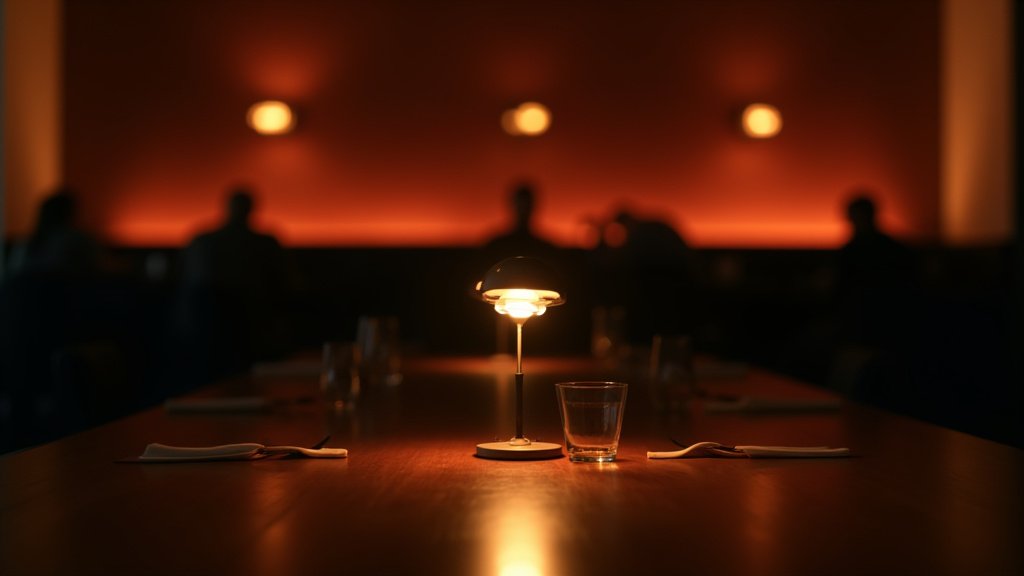
In the vibrant heart of Silver Lake, a new culinary landmark has emerged that challenges the traditional boundaries of Los Angeles restaurant design. Bar di Bello, the latest project from Dean Levin’s multidisciplinary studio 22RE, is not merely a restaurant; it is a meticulously crafted spatial experience that marries the kinetic energy of European café culture with the disciplined, sophisticated aesthetics of 20th-century Italian modernism. Spanning 2,000 square feet, the venue functions as an intimate, open-plan dining hall anchored by a centerpiece of Iranian red travertine, redefining how Angelenos interact with hospitality spaces.
Key Highlights
- Design Vision: Led by 22RE founder Dean Levin, the project draws heavily from Milanese design sensibilities and Italian modernists like Afra and Tobia Scarpa.
- Materiality: The interior features a signature red travertine bar, deep American walnut millwork, and stainless steel accents to create a balance of warmth and industrial sharpness.
- Spatial Engineering: The 40-seat layout utilizes a central banquette and strategic circulation paths to facilitate fluid movement for staff and a sense of openness for guests.
- Curated Atmosphere: Lighting plays a pivotal role, with custom grid ceilings, inset Disderot fixtures, and vintage table lamps creating a transformative ambiance that shifts from day to night.
The Architecture of Hospitality: A New Milanese Standard in Silver Lake
The arrival of Bar di Bello represents a significant evolution in the Los Angeles design landscape, particularly regarding the intersection of residential aesthetics and commercial utility. For Dean Levin, the founder of the Los Angeles-based 22RE, the project was an exercise in memory and precision. Levin, who grew up frequenting iconic city institutions like Musso & Frank Grill and La Scala, sought to translate the feeling of those ‘Italian-ish’ establishments into a language that feels both modern and timeless. The result is a space that operates less like a standard dining room and more like a carefully orchestrated social theater.
The Material Dialogue
At the heart of the project lies a conversation between materials. The red travertine bar is perhaps the most striking element—a geological focal point that feels ancient yet undeniably contemporary. This stone, with its warm, distinct veining, provides a necessary textural contrast to the dark American walnut that wraps the surrounding walls and ceilings. 22RE’s approach to millwork is architectural rather than decorative; the wood is used to define boundaries and guide circulation, creating a feeling of permanence that is rare in today’s often transient hospitality design trends. The inclusion of stainless steel and aluminum provides a ‘refined sharpness,’ cutting through the warmth of the wood and stone, suggesting a utilitarian efficiency that nods to the kitchen’s active role in the dining experience.
Designing for Movement and Intimacy
One of the primary challenges in designing a 40-seat restaurant is maintaining intimacy without sacrificing functional flow. 22RE addressed this through a layout that feels intuitive rather than forced. A central walnut banquette bisects the room, acting as a spine that organizes the seating without walling off sections of the dining hall. This layout decision is critical; it creates a ‘clear circulation path’ defined by beige floor tiles that leads from the kitchen pass around the central bank of seating. By integrating the kitchen pass directly into the flow of the room, 22RE has blurred the lines between the ‘front’ and ‘back’ of house, allowing diners to feel part of the culinary kinetic energy.
The Curator’s Touch: Modernist References
The furnishings within Bar di Bello read like a syllabus for Italian mid-century modernism. 22RE has carefully selected pieces that ground the room in history while maintaining a sleek, understated profile. Chairs by Vico Magistretti are paired with custom tables, creating a cohesive visual language that feels curated rather than collected. The lighting strategy, however, serves as the room’s ‘atmosphere engine.’ A custom ceiling grid punctuated with circular cutouts houses inset Disderot fixtures—a nod to French designer Olivier Mourgue—which cast a diffused, warm glow. This is supplemented by Hans-Agne Jakobsson table lamps and Afra and Tobia Scarpa sconces. These elements collectively transform the space as the sun sets, shifting the mood from a bright, airy lunch spot to an intimate, theatrical evening destination.
The Socio-Economic Impact of ‘Quiet’ Design
Bar di Bello is not shouting for attention. In an era of ‘Instagrammable’ restaurant design characterized by neon lights and maximalist decor, 22RE has taken the path of ‘quiet confidence.’ This strategy serves a specific economic function: longevity. By opting for a palette of timeless, high-quality materials and avoiding fleeting stylistic tropes, 22RE has created a space that is designed to age gracefully. For the partners—Wilmot, Kristin Olszewski, Michael Kassar, and Mike Moonves—this ‘permanent’ feel is an essential business asset. It encourages repeat visits by creating an environment that feels like a ‘neighbourhood staple’ rather than a destination novelty.
Future-Proofing Hospitality: A Synthesis of Form and Function
The project also signals a broader trend in professional interior design: the rise of the ‘service-architecture’ solution. As hospitality margins tighten, the physical environment must do more heavy lifting. By designing the layout to optimize guest turnover and staff efficiency, 22RE is demonstrating that high-end aesthetics can actually serve the bottom line. The ‘open dining hall’ concept, centered around a visible service hub, suggests a future where restaurants function more as cohesive, integrated platforms rather than fragmented rooms of tables and chairs.
FAQ: People Also Ask
1. Who is the design firm behind Bar di Bello?
Bar di Bello was designed by 22RE, a Los Angeles-based multidisciplinary design and architecture studio founded by Dean Levin. The studio is known for its work in residential, retail, and commercial spaces, including boutiques for brands like Malbon.
2. What is the design inspiration for the restaurant?
The design draws from Italian modernist history, classic Milanese cafes, and the mid-century rooms of architects like Mies van der Rohe. It aims to create a feeling of ‘familiar warmth’ using deep walnut, red travertine, and iconic modernist lighting fixtures.
3. How many seats does the restaurant have?
Bar di Bello is designed as a 40-seat open dining hall, emphasizing a balanced, symmetrical layout that promotes fluid circulation and intimacy.
4. What are the key materials used in the interior?
The primary materials include Iranian red travertine for the bar, dark American walnut for the millwork, stainless steel, and aluminum accents, all set against a floor of basalt and travertine tiles.