Andrew Meieran, the long-time proprietor of the iconic Clifton’s Republic, has officially shuttered the historic downtown Los Angeles venue, marking a painful conclusion to a years-long struggle against the deteriorating conditions of the city’s historic core. The decision, punctuated by Meieran’s stark admission that “we’ve lost our way,” underscores a deepening crisis within downtown Los Angeles where even the most storied cultural institutions are proving unable to weather the combined storms of rising operational costs, rampant vandalism, and a retreating urban populace. This exit signals more than just a business closure; it acts as a bellwether for the viability of commercial enterprise in the heart of the city.
Key Highlights
- Permanent Closure: Andrew Meieran has abandoned efforts to reopen the legendary Clifton’s Republic, ending a high-stakes, multi-year attempt to revitalize the historic property.
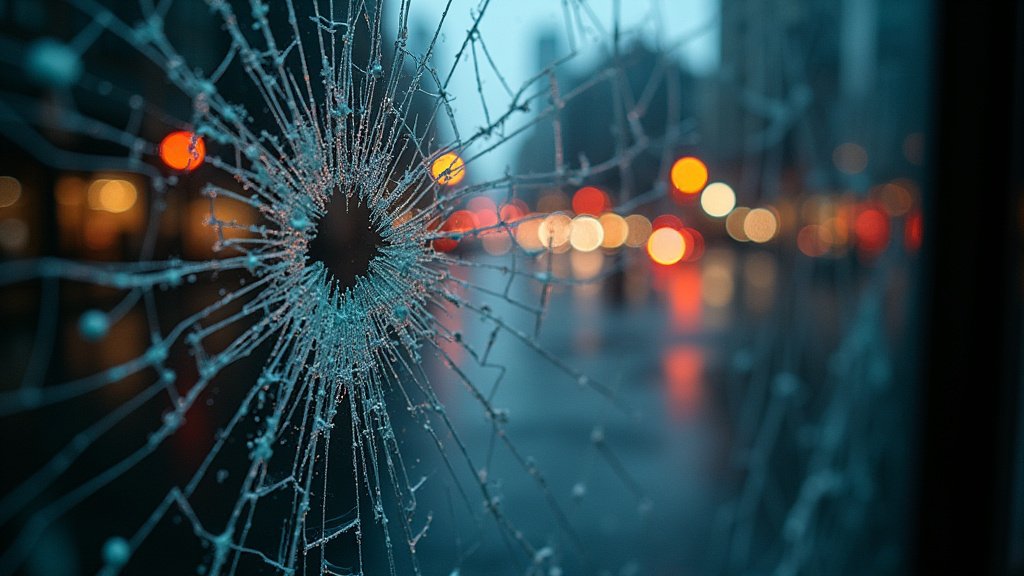
- The Cost of Vandalism: Meieran reported recurring costs of over $30,000 per incident to replace windows damaged by acid etching and graffiti, costs that became unsustainable even before factoring in massive insurance premium hikes of up to 600%.
- Systemic Decline: The closure is attributed to a “perfect storm” of decreased foot traffic, increased crime, and a lack of support for businesses trying to operate in the historic district.
- Urban Migration: The move mirrors a broader trend of commercial operators fleeing downtown for more vibrant, stable neighborhoods like Echo Park and Silver Lake, leaving the historic core increasingly hollowed out.
The Collapse of a Cultural Institution
The shuttering of Clifton’s Republic is not merely a business failure; it is the death of an institution that served as the heartbeat of downtown Los Angeles’ revival attempt. When Andrew Meieran acquired the building in 2010, he did so with a vision that extended far beyond profits. He saw a restoration project, a four-story labor of love that required $14 million in capital to reimagine the historic cafeteria into an immersive experience complete with tiki bars, forest-themed décor, and multiple dining environments. For years, Clifton’s stood as the gold standard for adaptive reuse—taking a Depression-era relic and turning it into a thriving hub for nightlife and tourism.
However, the optimism that fueled that initial investment has been systematically dismantled by the reality of the post-pandemic downtown. The venue, which attempted to pivot from its traditional cafeteria roots to a multi-faceted hospitality complex, became a target for the very urban decay it once sought to transcend. The financial toll of simply maintaining the physical structure—shielding it from daily graffiti, managing the security of patrons, and absorbing the shock of insurance hikes—eventually outweighed the potential for revenue. Meieran’s decision to walk away is a visceral admission that the “historic core” is currently unmanageable for small-to-mid-sized operators who lack the unlimited capital to combat persistent, unmitigated street-level disorder.
The Economic Bleeding: Why It Wasn’t Sustainable
The mechanics of the closure reveal a frightening reality for other downtown entrepreneurs. It is not just about a lack of customers; it is about the astronomical overhead of doing business in a high-crime area. Meieran described a cycle of destruction that is almost impossible to break. When vandals use diamond glass cutters or acid to etch the windows, the replacement cost hits $30,000. In a healthy business environment, these are one-off anomalies. In downtown Los Angeles, they became a recurring operational expense. When businesses attempt to insure against these losses, they are met with premiums that have skyrocketed by as much as 600%.
This creates a scenario where the business must generate significant profit just to cover the cost of maintaining the status quo, leaving zero margin for actual growth, innovation, or even basic labor costs. When you add the reality that major office employers have not returned to the downtown core in the numbers required to sustain a massive, four-story hospitality venue, the math simply fails. The “office worker” crowd, which once provided the steady, predictable foot traffic during the lunch and happy hour shifts, has vanished. Without them, and with tourists increasingly warned away from the historic district due to safety concerns, the revenue stream has dried up, while the cost of defense—security, repairs, insurance—remains at an all-time high.
A Tale of Two Cities: The Flight to the Periphery
Clifton’s closure is perhaps the most visible casualty, but it is far from an isolated incident. Across the city, commercial real estate brokers and restaurant operators are observing a mass migration of commerce. Brands and developers are increasingly skipping over downtown entirely, opting to lease spaces in neighborhoods like Echo Park, Silver Lake, and even parts of the Arts District, which are perceived as safer, more vibrant, and better managed.
This shift creates a “donut effect,” where the periphery of the city thrives while the center rots. For downtown, this is a dangerous downward spiral. As the number of active, well-maintained businesses decreases, the street-level activity diminishes. This creates more space for criminal activity and neglect, which in turn drives away the remaining businesses. It is a feedback loop that the city government has struggled to arrest. While city officials often point to long-term revitalization goals and infrastructure projects, those solutions offer little comfort to an operator who needs to pay rent and insurance premiums this month.
The Future of the Historic Core
The question now remains: what happens to the buildings left behind? Clifton’s Republic is a monumental structure in the history of Los Angeles. While Meieran is finished with the venue, the building remains. There is a possibility that another developer or a different type of operator may step in, hoping that the cost of entry is now low enough to justify the risk. However, until the underlying issues of safety, sanitation, and insurance costs are addressed at a municipal level, any successor is walking into the same minefield that ended Meieran’s tenure.
Ultimately, the closure serves as a stern warning for urban planning. A city’s historic core cannot survive on heritage alone. It requires the basic functional necessities of a business district: safety, sanitation, and a predictable cost of doing business. When these are stripped away, even the most “iconic” institutions—the places that define the city’s identity—will fall. If downtown Los Angeles is to survive this transition, it needs to be more than just a place to visit for a special event; it needs to be a place where businesses can operate with confidence that their windows won’t be etched and their customers won’t be threatened. Until that changes, the story of Clifton’s will likely repeat across the district.
FAQ: People Also Ask
1. Why did Clifton’s Republic finally decide to close?
Owner Andrew Meieran cited a combination of unsustainable costs, specifically regarding insurance and vandalism repair, alongside a declining downtown environment. Persistent safety concerns and a lack of office-worker foot traffic made the business model untenable.
2. Is this the end of the Clifton’s building?
While Meieran is ceasing his operations, the building itself remains. It is possible that another operator could lease the space in the future, though the ongoing challenges in the downtown historic core suggest it may remain vacant or face significant repurposing hurdles.
3. How much did vandalism contribute to this decision?
Significant. Meieran reported that vandalism to the building’s windows, which cost $30,000 per occurrence to repair, became a recurring and unmanageable expense, coupled with insurance premium hikes of up to 600%.
4. Is this part of a larger trend in Los Angeles?
Yes. Many business owners are migrating away from the historic downtown core to neighborhoods like Echo Park and Silver Lake, citing safer streets and more reliable customer bases, leaving large swaths of the downtown historic district increasingly empty.