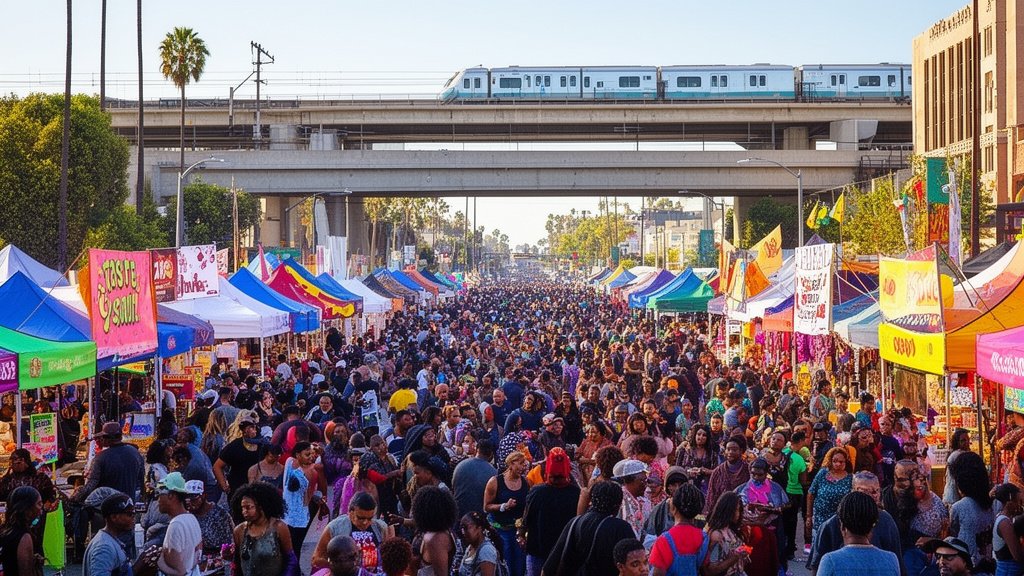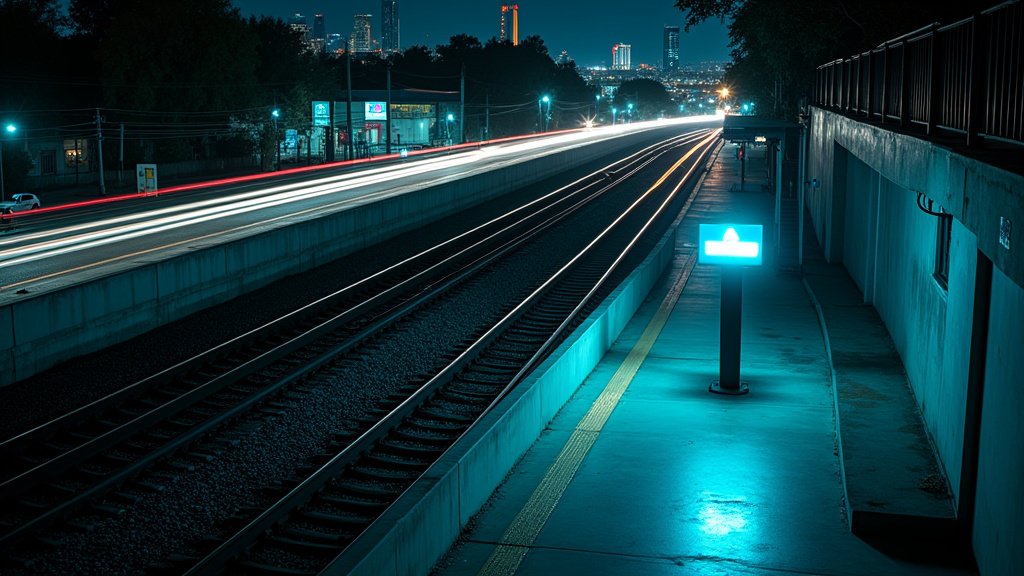
The weekend of April 17-19, 2026, marks one of the most vibrant stretches in Los Angeles’s cultural calendar. With the L.A. Times Festival of Books returning to USC and the roar of the Acura Grand Prix echoing through Long Beach, the city is set to be packed with thousands of residents and visitors. For the savvy Angeleno, however, this congestion is easily avoidable. By leveraging the L.A. Metro rail network, you can bypass the notorious Southern California traffic, eliminate the headache of surge-priced parking, and arrive at the heart of the action with time to spare. This guide outlines how to seamlessly navigate these high-profile events using the E Line and A Line.
Key Highlights
- Festival of Books Access: Take the Metro E Line directly to Expo Park/USC Station to avoid massive campus parking shortages.
- Long Beach Grand Prix: Utilize the A Line to reach the Downtown Long Beach Station, placing you steps away from the race circuit and festival atmosphere.
- Sustainable Travel: Commuting via Metro aligns perfectly with Earth Month environmental goals, with special event activations near Expo Park.
- Strategic Navigation: Download the Transit app or use your TAP card to ensure smooth transfers between rail lines.
Navigating the L.A. Pulse: A Transit-First Weekend
Los Angeles is often characterized by its dependence on the freeway, but this weekend offers a masterclass in why public transit is the superior choice for major city-wide activations. When massive events like the L.A. Times Festival of Books and the Acura Grand Prix of Long Beach collide, the surface streets become gridlocked arteries. Choosing to ‘Go Metro’ is not just an act of environmental stewardship; it is a tactical decision to reclaim your time.
The E Line: Gateway to Expo Park
For those heading to the University of Southern California (USC) for the L.A. Times Festival of Books, the E Line is your primary conduit. The station at Expo Park/USC drops riders off minutes from the main thoroughfare of the festival. Historically, parking at USC during this event has been a challenge, with lots filling up as early as 8:00 AM. By opting for the train, attendees can avoid the stress of hunting for a spot and instead enjoy the scenic transit route through the heart of the city.
This year’s festival, featuring major literary figures and panel discussions, is expected to draw record crowds. The proximity of the Expo Park/USC station allows for a frictionless transition from the train car to the festival grounds. Furthermore, the E Line connects seamlessly with other parts of the city, making it an excellent base of operations for travelers coming from the Westside or Downtown.
The A Line: Speeding to the Grand Prix
Simultaneously, the Acura Grand Prix of Long Beach commands the attention of racing enthusiasts. The A Line, formerly known as the Blue Line, serves as the most efficient way to access this event. By exiting at the Downtown Long Beach Station or First Street Station, you are deposited directly into the festival atmosphere. The Grand Prix is not merely a race; it is a three-day lifestyle festival. Navigating this through public transit allows you to enjoy the full scope of the event—including the lifestyle expo and food trucks—without the anxiety of losing your parked car or navigating one-way street closures.
The Economic and Cultural Impact of Transit-Oriented Events
The reliance on public infrastructure for massive events highlights a shifting paradigm in Los Angeles. Over the last decade, we have seen a noticeable trend toward ‘Transit-Oriented Development’ (TOD), where community hubs are built not just for cars, but for accessibility. The convergence of these April events demonstrates how the city’s rail network acts as a bridge between disparate communities—connecting the historic academic halls of USC with the bustling harbor front of Long Beach.
Earth Month and Environmental Consciousness
April is Earth Month, and Los Angeles is leaning into this with numerous activations. Beyond the high-energy festivals, events like those at the Natural History Museum of Los Angeles County (also in Expo Park, reachable via the E Line) focus on environmental education. Using public transit to attend these events reinforces the message of sustainability. When we choose the train, we are actively participating in the reduction of greenhouse gases that these environmental events seek to address. It is a harmonious circle: travel to the venue in a manner that honors the venue’s purpose.
Community Hubs and Local Vibrancy
Beyond the massive, high-profile attractions, the weekend also highlights smaller, community-focused events. The Somos NELA Block Party in Frogtown serves as a reminder that LA’s soul is found in its neighborhood pockets. While these smaller events may require a bus transfer from the rail line, the integration of the bus and rail network—now more robust than ever—makes these trips viable. The Metro’s ‘NextGen’ bus plan has drastically improved the frequency of service, meaning even your last-mile journey from the station to the neighborhood block party is likely to be serviced by a reliable route.
Future Predictions: The Continued Evolution of LA Transit
Looking toward the future, the integration of these events with Metro service is only the beginning. With the planned D Line Extension and ongoing discussions about the Sepulveda Transit Corridor, the ease of movement in Los Angeles is set to improve year-over-year. Events that draw hundreds of thousands of people require a robust skeletal structure of public transit to function. We are currently witnessing the city transition from a ‘car-culture’ city to a ‘multi-modal’ city. The weekend of April 17-19 is a microcosm of this transition; it is a preview of a future where attending a concert, a race, or a literary festival in different parts of the region is as simple as hopping on a train.
Ultimately, the ‘Go Metro’ initiative is about agency. By choosing to ride, you avoid the unpredictability of highway traffic, the cost of gas, and the environmental impact of solo driving. You gain a front-row seat to the city’s transformation, observing the diverse tapestry of Angelenos moving together toward the same cultural destinations. This weekend, embrace the rail.
FAQ: People Also Ask
1. Do I need to buy a specific ticket for event travel?
No, you do not need an event-specific ticket. You can simply load your TAP card with a day pass or sufficient fare for a round trip. The fare covers all rail and bus transfers, making it highly cost-effective.
2. Is the Metro safe and clean for families?
Yes. The L.A. Metro has increased its presence of transit ambassadors and security personnel on major lines. During high-traffic event weekends like this, the cars are usually filled with other event-goers, creating a communal and safe environment.
3. Are pets allowed on the Metro?
Yes, pets are allowed on the Metro as long as they are in a secure carrier, allowing you to bring your small companions to outdoor festivals.
4. Where can I find real-time updates on Metro delays?
For the most up-to-date information, use the Metro Transit app, follow @metrolosangeles on X (formerly Twitter), or check the live arrival screens on the station platforms.