Sacred Traditions and Cultural Landscapes
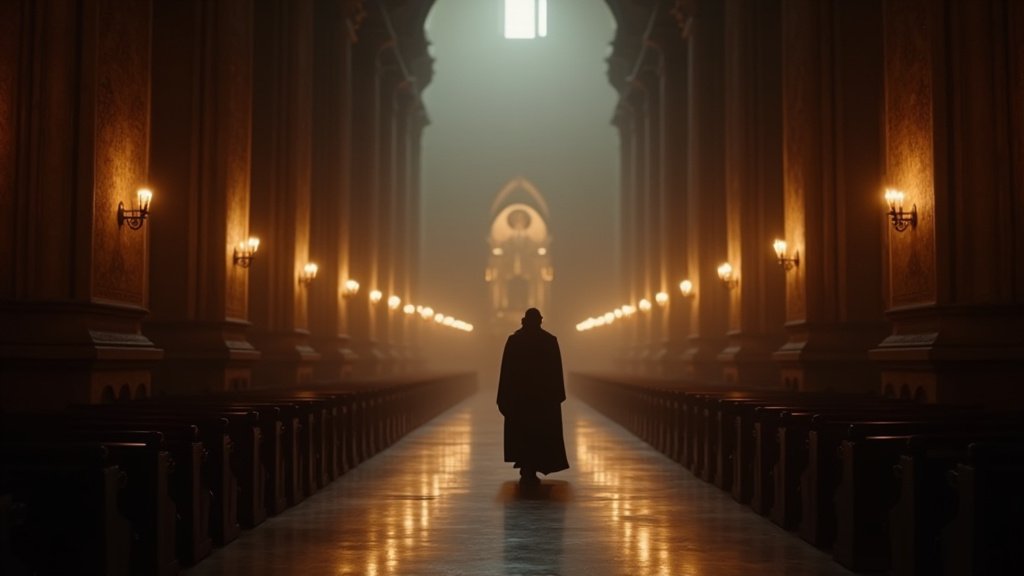
Easter remains one of the most profound times of the year for travelers seeking a connection between faith, history, and the awakening of spring. As we approach Easter 2026, the travel landscape offers a compelling mix of solemn religious observances and vibrant cultural celebrations. Choosing the right destination involves looking beyond the typical tourist paths to find locations where the spirit of the holiday is deeply woven into the fabric of daily life. Whether you are drawn to the meditative quiet of historic cathedrals or the energetic displays of local processions, these destinations promise a transformative experience.
Rome, Italy: The Epicenter of Tradition
No list of meaningful Easter destinations is complete without Rome. As the heart of the Catholic world, the city experiences a transformation during Holy Week. The atmosphere is palpable, beginning with Palm Sunday and culminating in the solemn yet joyful Easter Sunday Mass led by the Pope in St. Peter’s Square. Visitors find that the blend of ancient history and deep-rooted religious practice creates a unique gravity. Beyond the Vatican, the neighborhood churches host intimate, centuries-old services that offer a more personal connection to the holiday’s themes of renewal and hope.
Seville, Spain: A Masterclass in Semana Santa
For those seeking intensity and passion, Seville’s Semana Santa (Holy Week) is unparalleled. This is not merely a holiday but a profound communal event where dozens of brotherhoods carry ornate, life-sized statues known as pasos through the narrow streets of the city. The sensory experience is intense: the smell of incense, the haunting sound of flamenco-style laments called saetas, and the sea of penitents in traditional pointed hoods. It is a destination that demands presence and offers a glimpse into a centuries-old cultural dedication that is both visually stunning and emotionally resonant.
Jerusalem: Walking Through History
Visiting Jerusalem during Easter is a bucket-list experience for many, offering the unique opportunity to walk the Via Dolorosa and visit the Church of the Holy Sepulchre during the most significant week in the Christian calendar. The atmosphere in the Old City is an intricate tapestry of faiths and cultures, providing a stark, moving reminder of the origins of the holiday. The experience is profoundly reflective, allowing travelers to immerse themselves in history in a way that feels tangible and immediate, far removed from the commercialized aspects of the holiday often found elsewhere.
Antigua, Guatemala: Colorful Devotion
Antigua offers one of the most visually spectacular Easter celebrations in the Western Hemisphere. The cobblestone streets are covered in elaborate, hand-crafted alfombras—colorful carpets made from sawdust, flowers, and fruit—which are meticulously created by residents before being traversed by massive processional floats. The dedication required to create these fleeting works of art, combined with the backdrop of volcanic peaks and colonial architecture, creates a scene of immense beauty and spiritual commitment that is unmatched in the Americas.
FAQ: People Also Ask
Q: What is the best time to book travel for Easter?
A: You should aim to book your flights and accommodations at least four to six months in advance, especially for popular religious destinations like Rome or Seville, as these cities reach capacity quickly during Holy Week.
Q: Is it necessary to participate in religious services?
A: Not at all. Many travelers visit these destinations to appreciate the cultural, architectural, and historical significance of the celebrations. However, it is always recommended to dress modestly and be respectful of ongoing services in churches and cathedrals.
Q: Which destination is best for families during Easter?
A: Antigua, Guatemala, offers a wonderful mix of cultural spectacle and accessible local activities, making it an engaging destination for families who want to experience the artistry of the carpets and the excitement of the processions.