The Trump Immigration Crackdown, a central theme of Donald Trump’s second term, represents a radical and sweeping policy shift aimed at drastically reducing immigration. This approach marks a profound departure from America’s historical identity as a land of immigrants, ushering in a new era defined by stringent enforcement. This aggressive Trump Immigration Crackdown signifies a fundamental redefinition of the nation’s approach to newcomers.
A Vision of Reduced Immigration under Trump’s Policy
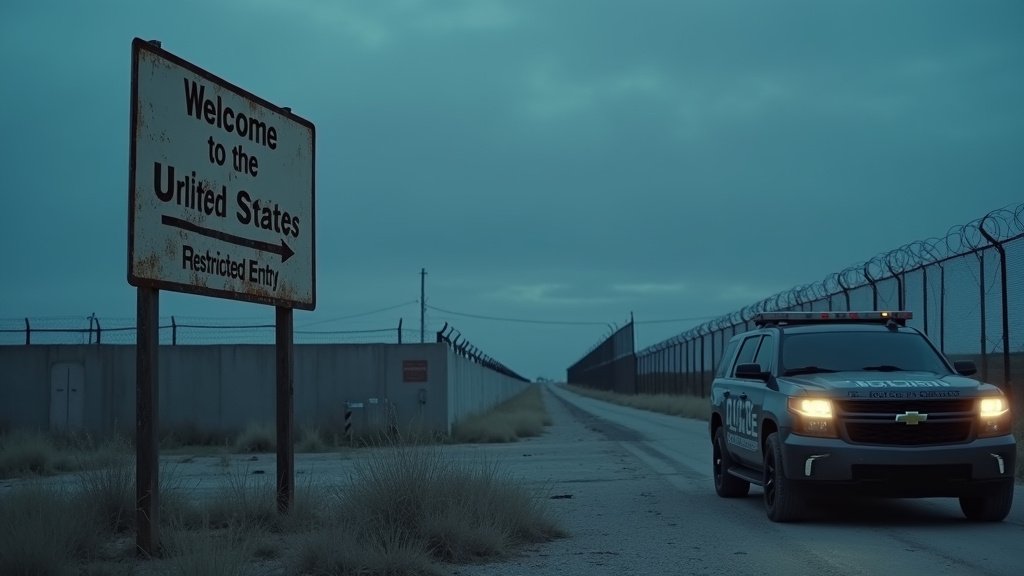
Trump’s vision centers on a United States with significantly fewer immigrants. His past rhetoric often framed immigration as a threat, and he vowed to “restore” the country. This vision translates into aggressive policy action, reflecting key Trump second term policies. Many long-standing immigration and asylum programs are now suspended. Travel bans have been expanded, targeting numerous countries, and visa requirements have tightened considerably. Citizenship and Immigration Services now vets applications for “anti-Americanism.” These measures reflect a core promise of his campaign and aim to reshape the nation’s demographic and cultural landscape through the Trump Immigration Crackdown.
Record Departures and Negative Net Migration during the Trump Immigration Crackdown
The results of the Trump Immigration Crackdown are stark. For the first time in at least 50 years, the U.S. is experiencing negative net migration. A Brookings Institution report estimates this trend continued into 2025. Net migration has fallen significantly, with researchers attributing this to fewer entries and increased enforcement, a hallmark of the US immigration crackdown. This reversal follows decades of immigration-driven population growth. The Brookings analysis projects continued low or negative net migration into 2026, a direct consequence of the Trump Immigration Crackdown. This trend is largely driven by policy changes, including strict enforcement and reduced admissions. Some data suggests over 595,000 noncitizens were arrested by year-end 2025 as part of ICE enforcement actions. Removals in 2025 were estimated between 310,000 and 315,000. The administration claims higher figures, but data transparency remains limited. The economic impact is also significant, as reduced migration may dampen labor force growth and affect consumer spending and GDP.
ICE Enforcement Actions and the Human Cost of the Trump Immigration Crackdown
Immigration and Customs Enforcement (ICE) operations are highly visible under the Trump Immigration Crackdown. Raids and detentions are widespread, designed to apprehend unauthorized immigrants and often targeting individuals with no or minor criminal records. The intensity of this Trump immigration policy has led to unprecedented federal force in U.S. cities. Family separation, a tactic used previously, continues to cast a shadow. These ICE enforcement actions have created widespread fear, leaving communities feeling insecure and questioning their place in society.
A Citizen’s Death Sparks Outrage over the Trump Immigration Crackdown
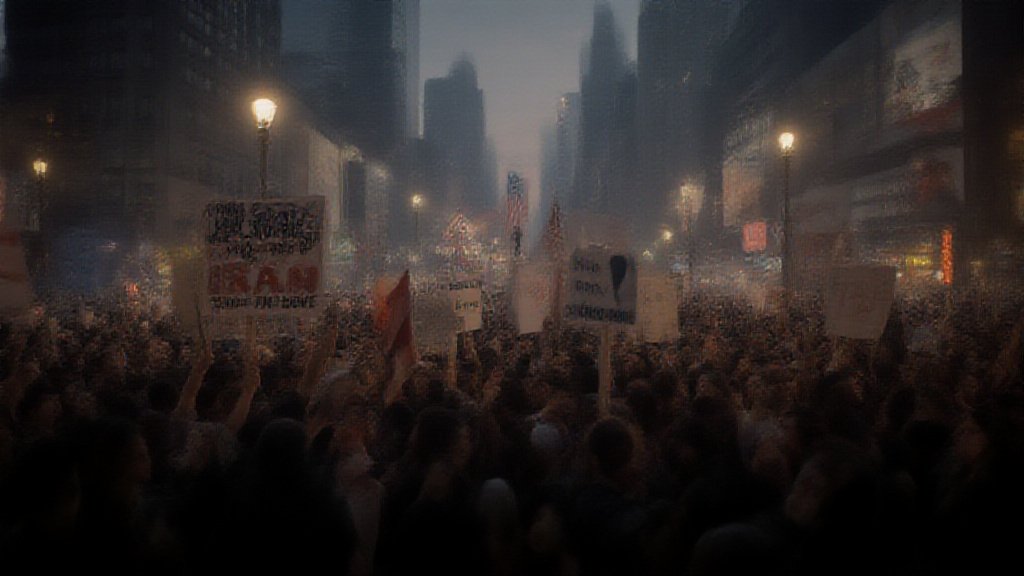
A tragic incident highlighted the human cost of the Trump Immigration Crackdown. On January 7, 2026, Renée Good, a 37-year-old U.S. citizen, was killed. She was shot by an ICE agent in Minneapolis. Good was a mother of three. The shooting occurred during a federal enforcement operation. The Department of Homeland Security defended the agent, citing “self-defense,” but video evidence contradicts this account. The incident ignited widespread protests and fueled national outrage against the aggressive immigration crackdown. This event underscored the risks that U.S. citizens can be caught in enforcement sweeps, and deaths during these operations are a grim reality, with at least four people killed in such raids recently.
Shifting National Identity under the Trump Immigration Crackdown
These policies challenge America’s national identity shift. For centuries, the U.S. has welcomed newcomers, building its strength on diversity. This new approach, driven by the Trump Immigration Crackdown, redefines who is welcome, prioritizing a vision of a less diverse nation. The crackdown signals a stark change, moving away from the “golden door” ideal. The consequences for individuals and the nation are profound and will likely be felt for years to come. The dream of a nation built by immigrants is being re-evaluated. The current administration’s actions define a new chapter marked by strict enforcement and reduced entry. The future holds uncertainty for many and poses questions about the nation’s very soul, all under the shadow of the Trump Immigration Crackdown.