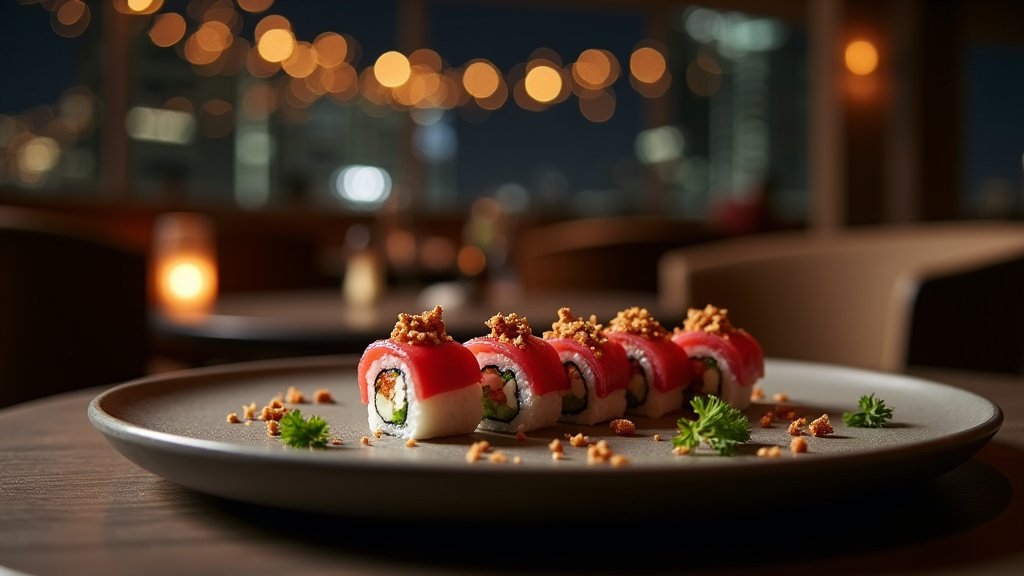
SUSHISAMBA has officially returned to the United States, unveiling a massive, 11,000-square-foot rooftop destination in the heart of West Hollywood’s Design District. The opening marks a pivotal moment for the globally recognized brand, which has spent the last decade expanding its footprint in international hubs like London, Dubai, and Singapore while remaining absent from the American market. Situated atop 639 N La Peer Drive, the venue represents not just a restaurant launch, but a calculated strategic pivot into the high-end, experiential dining landscape of Southern California.
Key Highlights
- Sprawling Footprint: The venue spans 11,000 square feet, featuring multi-level open-air dining, a private event space with a dedicated entrance, and a retractable roof.
- Design Inspiration: Interior architecture by Dizon Collective pays homage to Brazilian modernist Roberto Burle Marx, utilizing biomorphic forms, lush greenery, and an orange-and-white color palette.
- Culinary Fusion: Helmed by Executive Chef Maxwell Terheggen and Corporate Chef John Um, the menu focuses on the brand’s signature Japanese-Brazilian-Peruvian trifecta, including location-exclusive dishes like the A5 Wagyu Samba LA Roll.
- Strategic Homecoming: This launch serves as SUSHISAMBA’s first U.S. location in over a decade, signaling a renewed focus on American expansion and destination-style hospitality.
The Strategic Architecture of a Culinary Homecoming
The return of SUSHISAMBA to the U.S. is not merely a geographic expansion; it is a clinical demonstration of how global hospitality brands are adapting to the modern ‘experience economy.’ By selecting West Hollywood—a neighborhood that acts as the nexus of L.A.’s entertainment and fashion industries—the brand is positioning itself directly within the sights of its target demographic: a sophisticated, globally-minded clientele that values social capital as much as culinary precision.
Designing for the ‘See-and-Be-Seen’ Crowd
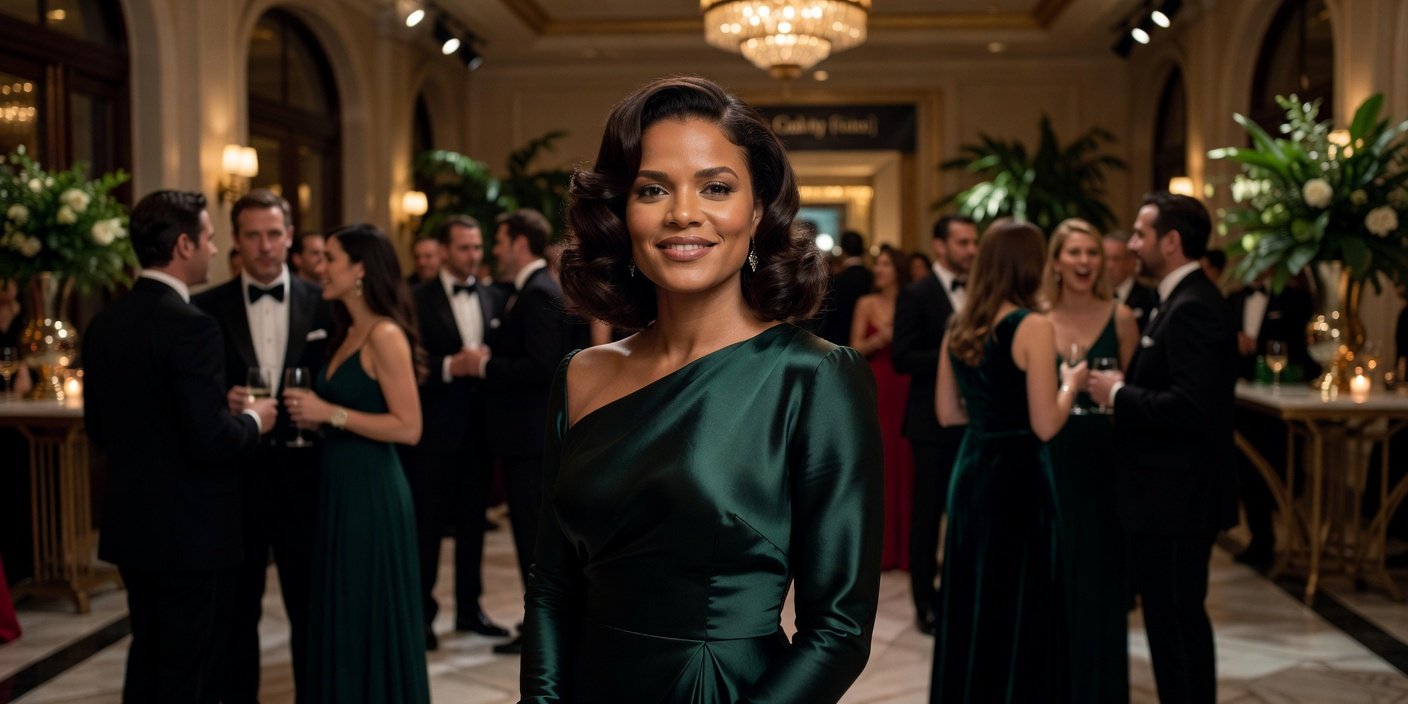
Under the direction of Dizon Collective, the physical space is engineered to facilitate social dynamism. The design language avoids the static, predictable layouts of traditional fine dining in favor of a fluid, multi-level environment. By incorporating a retractable roof, the operators have solved the perennial challenge of outdoor dining in Southern California: the transition from sun-drenched brunch to the cooler, more intimate atmosphere of nighttime service.
The aesthetic choice to channel Brazilian modernist Roberto Burle Marx is particularly astute. His influence—characterized by flowing, organic shapes and a rejection of rigid symmetry—aligns perfectly with the brand’s desire to appear ‘natural’ yet ‘curated.’ The use of lush, living greenery against the starker, industrial lines of the Hollywood Hills backdrop creates a visual tension that is highly ‘Instagrammable,’ a factor that remains an unspoken but essential component of modern hospitality success.
Culinary Engineering and Cross-Cultural Synthesis
The menu development reveals the brand’s attempt to reconcile its international identity with local preferences. The leadership team, comprising Executive Chef Maxwell Terheggen and Corporate Chef John Um, has walked a fine line between the recognizable SUSHISAMBA staples—such as their well-known robata grill offerings—and localized experimentation.
The inclusion of dishes like the ‘Samba LA Roll,’ which utilizes A5 Wagyu and chestnut puree, is a direct acknowledgement of the Los Angeles palate, which prizes premium sourcing and unconventional flavor pairings. By blending Japanese technical precision with the bolder, more aggressive spice profiles of Peruvian and Brazilian cuisine, the kitchen is offering a ‘fusion’ model that feels less like a relic of the 2000s and more like a contemporary exploration of globalized ingredients.
The Future of Destination Dining
Beyond the plate, the operational strategy for the West Hollywood location suggests a shift toward what industry experts call ‘nightlife-adjacent’ dining. The planned introduction of live entertainment, Bossa Nova-themed brunches, and a dedicated late-night menu indicates that the restaurant intends to capture the guest for the entire duration of their evening. This is a departure from the traditional model where diners consume a meal and vacate the table; instead, SUSHISAMBA is building a ‘sticky’ environment where the conversion rate from dinner guest to lounge patron is a primary KPI.
Furthermore, the incorporation of a private dining room with a separate, dedicated elevator and entrance is a nod to the high-net-worth individual (HNWI) and celebrity clientele for whom privacy is the ultimate luxury. In a city like Los Angeles, where the ability to dine in relative seclusion is a scarce commodity, this architectural feature likely ensures the venue’s longevity as a preferred choice for industry events, press junkets, and elite private gatherings.
As the brand looks forward, the success of this West Hollywood flagship will likely serve as the blueprint for future U.S. expansion. If they can successfully merge the high-energy, spectacle-driven culture of their Dubai and London outposts with the specific, demanding nuance of the Los Angeles dining scene, SUSHISAMBA is poised to re-establish itself as a dominant force in American hospitality.
FAQ: People Also Ask
Q: What is the primary cuisine served at the new SUSHISAMBA?
A: SUSHISAMBA specializes in a ‘tri-cultural’ fusion menu that blends Japanese techniques, Brazilian ingredients, and Peruvian heat. Key offerings include sushi, sashimi, robata-grilled meats, ceviches, and specialized fusion rolls.
Q: Does the West Hollywood location have outdoor seating?
A: Yes. The venue features a 11,000-square-foot, multi-level open-air rooftop space. It is equipped with a state-of-the-art retractable roof to accommodate changes in weather and transitions from day to night service.
Q: Is there a dress code for SUSHISAMBA Los Angeles?
A: While the brand does not publicly specify a rigid dress code, the atmosphere is described as high-energy and ‘see-and-be-seen.’ Guests typically dress in upscale, fashionable attire consistent with West Hollywood’s trendy nightlife and fine dining scene.
Q: How does this location differ from other SUSHISAMBA restaurants?
A: This location is the brand’s first U.S. opening in over a decade. It distinguishes itself through a design that draws heavily from Brazilian modernist landscape architecture and specifically targets the L.A. market with location-exclusive dishes and a layout designed for both intimate dining and large-scale nightlife events.