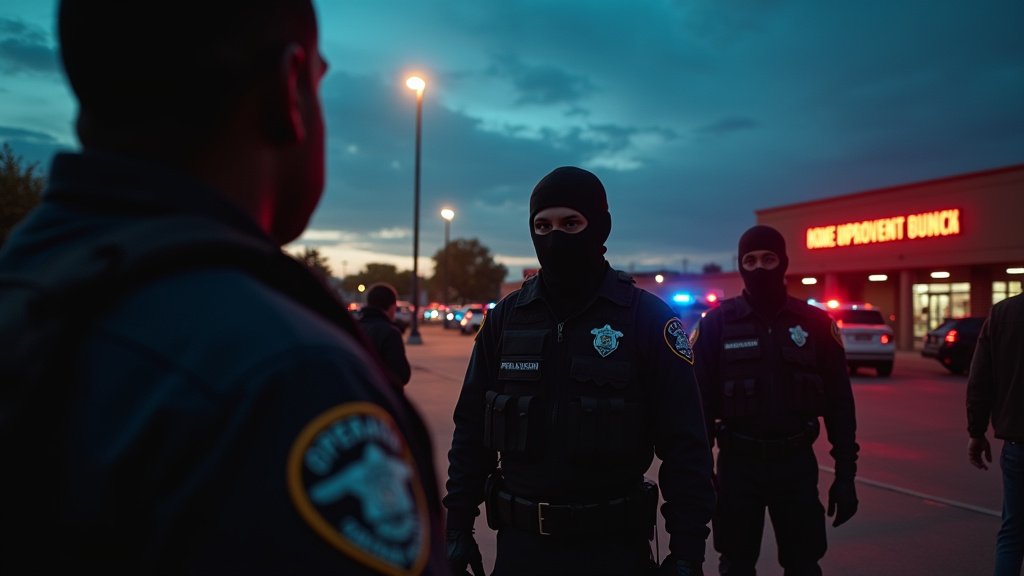
Recent New Orleans ICE Raids have sent ripples of concern through the city, marking a significant escalation in federal immigration enforcement. The Trump administration’s aggressive operation has put the city’s sanctuary status to the test, especially with the recent enactment of a new Louisiana state law aimed at penalizing interference with immigration operations. This initiative, dubbed “Operation Catahoula Crunch,” represents a concentrated wave of the broader New Orleans ICE Raids and has brought national debates about immigration enforcement into sharp focus, highlighting diverse public opinions on President Trump’s immigration policies.
Operation Catahoula Crunch: Examining the New Orleans ICE Raids
“Operation Catahoula Crunch,” a key component of the intensified New Orleans ICE Raids, commenced in early December. This operation saw federal agents deployed across the New Orleans area, with the Department of Homeland Security (DHS) spearheading the effort to apprehend undocumented immigrants, particularly those with criminal records. DHS indicated that these individuals were often released due to existing sanctuary policies, and “Catahoula Crunch” was designed to target what they termed “the worst of the worst.” Reports suggested a substantial deployment of hundreds of agents with the stated aim of making thousands of arrests over several weeks. Raids took place in various locations, including parking lots of home improvement stores, and visible patrols by masked agents in suburban areas amplified immigrant community fear and the overall impact of this immigration enforcement surge.
Sanctuary City vs. Louisiana State Law Amidst New Orleans ICE Raids
New Orleans has long maintained sanctuary policies, which generally limit local law enforcement’s cooperation with federal immigration enforcement, including ICE. The city’s police department typically refrains from assisting ICE operations, a policy rooted in past legal agreements and a commitment to preventing profiling. However, a new Louisiana state law has introduced a significant challenge, criminalizing actions perceived as hindering federal immigration efforts. This legislation created a complex and potentially conflicting situation for local officials during the New Orleans ICE Raids. State Attorney General Liz Murrill issued warnings against any interference, further complicating the landscape for city leaders concerned with safeguarding residents’ rights. The clash between federal immigration enforcement actions and local sanctuary policies has made these New Orleans ICE Raids a particularly contentious issue.
Community Impact and Economic Concerns Surrounding New Orleans ICE Raids
The pervasive atmosphere of immigrant community fear following the New Orleans ICE Raids led many residents to avoid work and school. Local businesses experienced a noticeable decline in customer traffic, with restaurants and shops reporting slowdowns and some opting to close temporarily to ensure staff safety. Day laborers faced difficulties finding employment, and the Hispanic community, in particular, reported feeling highly vulnerable. There were accounts of individuals hesitant to seek essential medical care, fearing detention during routine activities. Businesses that depend on immigrant labor grappled with staffing shortages, and concerns were raised about the potential negative economic impact on tourism. The palpable fear and uncertainty generated by the immigration enforcement actions created a sense of collective trauma, with children expressing anxiety about their parents being detained.
National Reactions and the Broader Context of New Orleans ICE Raids
Reactions to the New Orleans ICE Raids were diverse, reflecting wider national divisions. While some residents acknowledged the necessity of adhering to federal laws, others expressed deep distress over the swift detentions and tactics employed. Community organizers were active in disseminating “know your rights” information and preparing for an anticipated increase in legal consultations. Advocates strongly criticized the operation, labeling it a politically motivated stunt, with U.S. Representative Troy Carter echoing these sentiments, stating the operation was more political theater than a genuine public safety measure. Public opinion polls from late 2025 indicated that approximately 43% of Americans approved of President Trump’s immigration handling, a slight decrease from earlier in the year, underscoring the ongoing national debate. This operation highlighted the contentious issues surrounding federal vs local authority in immigration matters and raised questions about the fairness of immigration enforcement, including the New Orleans ICE Raids.
The Lingering Effects: An Ongoing Narrative of New Orleans ICE Raids
Operation Catahoula Crunch represented a critical juncture where federal immigration enforcement directly confronted New Orleans’ established sanctuary status, a conflict further intensified by the new Louisiana state law. The New Orleans ICE Raids instilled significant immigrant community fear and had tangible effects on local businesses and the broader economy. The events in New Orleans mirrored a national struggle to define immigration policy and balance federal powers with local values. The city and its residents remain watchful for continued federal pressure, and the long-term consequences of these New Orleans ICE Raids are still unfolding. This extensive immigration enforcement operation underscored the profound divisions in national discourse on immigration and demonstrated how such actions, including the New Orleans ICE Raids, can strain the social fabric of a community.