The intersection of high-concept retail and massive-scale festival commerce has reached a boiling point this week, with two distinct events redefining the industry landscape. In Los Angeles, the brick-and-mortar revival takes center stage as Aimé Leon Dore officially opens its West Coast flagship on Melrose Avenue, signaling a strategic expansion for Teddy Santis’s label. Simultaneously, in the Indio desert, Justin Bieber’s independent fashion imprint, SKYLRK, has irrevocably changed the economics of festival merchandise, generating an unprecedented $15 million USD in sales throughout Coachella 2026. These developments, occurring in tandem, illustrate the widening gulf between traditional retail models and the modern, direct-to-consumer power of community-driven, event-linked commerce.
Key Highlights
- Aimé Leon Dore’s new West Coast home at 8746 Melrose Avenue brings the brand’s signature Mediterranean-inspired design and community-focused retail experience to Los Angeles.
- SKYLRK, led by Justin Bieber, generated a historic $15 million USD in merchandise sales across Coachella’s two weekends, crushing the previous festival record of $1.7 million USD.
- The success of SKYLRK is attributed to an experiential retail strategy, moving beyond standard merch tents to include the “SKYLRK Oasis” and strategically limited releases that mirror the scarcity model of high-fashion.
- Aimé Leon Dore’s expansion includes the debut of the brand’s Women’s collection, marking a significant milestone in the label’s diversification.
The Retail Revolution: Culture Meets Commerce
The retail landscape in 2026 is no longer just about the transaction; it is about the destination. The opening of Aimé Leon Dore’s Los Angeles flagship on Melrose Avenue is a masterclass in this philosophy. For years, the New York-based label has meticulously crafted an image of aspirational, lived-in luxury—a blend of modern prep and streetwear that feels less like a brand and more like a club you want to join. By transplanting this ethos to the West Coast, Teddy Santis is not simply opening a store; he is exporting a specific cultural frequency.
The Architecture of Desire
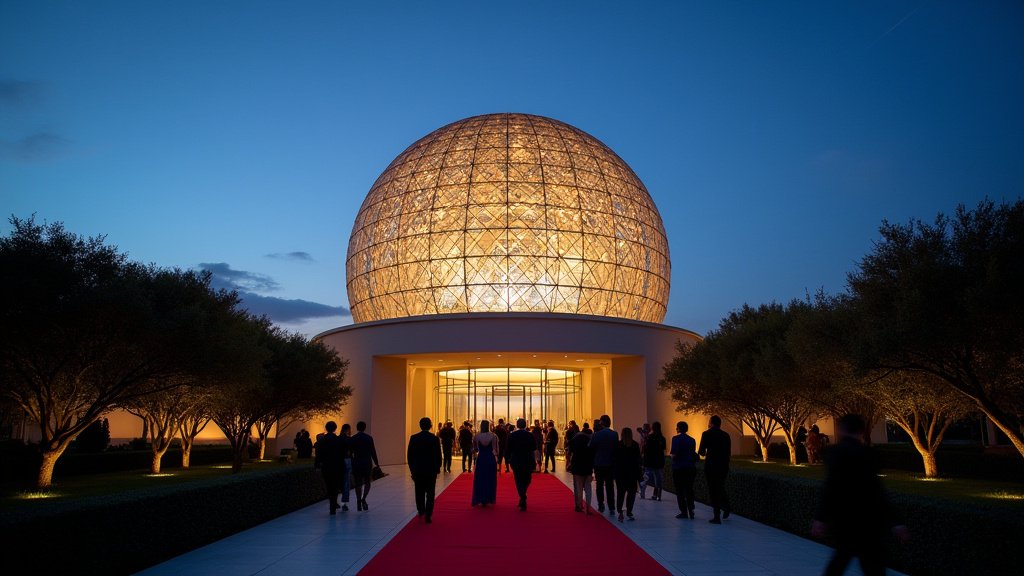
Developed in collaboration with Sarita Posada Interiors, the new space is a calculated departure from the high-turnover, sterile environments of traditional luxury retail. Drawing inspiration from old European homes, the flagship features soft stucco walls, custom wood windows, and a cobblestone courtyard anchored by an 80-year-old olive tree. This is architecture designed for dwell-time, not just walk-through traffic. By integrating the Café Leon Dore—complete with the brand’s signature La Marzocco espresso machine—the store creates a recurring reason for patronage. It functions as a third space, a concept that has become the gold standard for high-end retail brands looking to cultivate long-term brand loyalty in an era of waning attention spans.
Bridging the Gender Gap
Crucially, the LA location serves as the global debut for the Aimé Leon Dore Women’s collection. While the brand has historically appealed to a male-leaning demographic fascinated by the “New York aesthetic,” this expansion signals a deliberate move to broaden its market share. The collection, which focuses on elevated, vintage-inspired essentials, fits seamlessly into the brand’s established visual language, ensuring that the expansion feels organic rather than an opportunistic cash grab. By utilizing the West Hollywood opening to launch this category, the brand ensures maximum visibility among the industry’s trendsetters who frequent Melrose Avenue.
SKYLRK and the Economics of ‘Bieberchella’
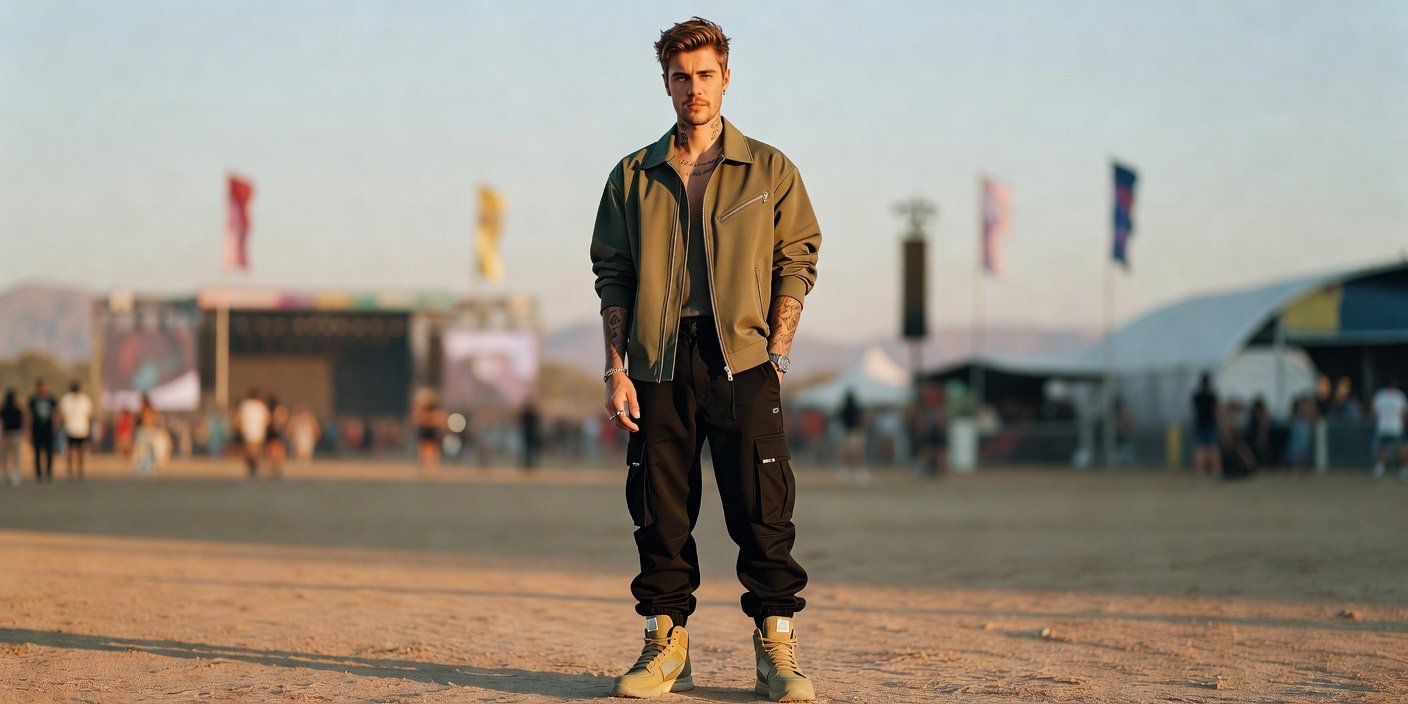
While Aimé Leon Dore is playing the long game of physical brand equity, Justin Bieber’s SKYLRK has effectively launched a hostile takeover of the festival merchandise sector. Generating $15 million USD in sales at Coachella 2026 is not merely a successful quarter; it is a fundamental disruption of how artists monetize their fanbases. Historically, concert merchandise has been treated as a souvenir—a secondary consideration compared to ticket sales and streaming revenue. SKYLRK, by contrast, treats festival gear as a primary fashion collection.
The Scarcity Model as a Service
Bieber’s team—including creative director Neima Khaila and designer Finn Rush-Taylor—has employed a model that mirrors the drops utilized by streetwear titans. By debuting unreleased pieces like the “Apple” green fleece hoodie during his headlining sets, Bieber created a feedback loop of desire that triggered immediate online and on-site sales. The establishment of the “SKYLRK Oasis,” a branded respite space for attendees, further cemented the brand as an essential participant in the festival experience, rather than a mere vendor. When attendees feel the brand is actively improving their comfort—providing shade and misting stations—the mental association between the brand and positive experience is amplified, driving conversion rates that traditional merch vendors simply cannot match.
The Financial Benchmark
The $15 million USD figure is particularly staggering when contrasted with the previous festival record of $1.7 million USD. This exponential growth suggests that consumers are no longer interested in generic tour tees. They demand the same design integrity, quality of materials, and cultural cachet that they expect from established fashion houses. SKYLRK is proving that for a celebrity of Bieber’s stature, the fashion label is a viable, high-margin business entity independent of his musical output. This shifts the power dynamic between artists and traditional touring partners, potentially leading to a wave of artist-led, fully independent fashion operations that control their own production, marketing, and distribution.
Future Implications: The New Retail Frontier
Looking forward, the success of both Aimé Leon Dore and SKYLRK points to a polarized but flourishing retail future. On one side, we have the “destination brand,” where the physical environment is an immersive, lifestyle-curated extension of the product. This model works for heritage-minded, community-focused brands like ALD. On the other side, we have the “event-velocity brand,” exemplified by SKYLRK, where the retail strategy is built on agility, FOMO (fear of missing out), and massive, concentrated sales events.
Both strategies share a common thread: total control over the brand narrative. In an age where third-party wholesale accounts and traditional advertising are becoming less effective, these brands are doubling down on direct connection. Whether through an 80-year-old olive tree in a Los Angeles courtyard or a $15 million, two-week festival blitz, the message is clear: the brands that thrive are those that define the context of their consumption.
FAQ: People Also Ask
Q: What makes Aimé Leon Dore’s LA store different from its other locations?
A: The LA flagship is the first location to introduce the brand’s global Women’s collection in a dedicated retail setting. It also features a unique, Mediterranean-inspired design, including an outdoor courtyard centered around an 80-year-old olive tree, distinguishing it from the more urban-centric aesthetic of the brand’s New York and London stores.
Q: How did SKYLRK manage to break the Coachella merchandise record so significantly?
A: SKYLRK utilized a multi-channel retail strategy that moved beyond the traditional merch tent. This included dedicated pop-up shops, the ‘SKYLRK Oasis’ experiential space, and a high-velocity online drop model that mimicked streetwear scarcity tactics, all backed by Bieber’s massive, highly engaged audience.
Q: Is SKYLRK considered a ‘merch’ brand or a fashion label?
A: While it utilizes the platform of Justin Bieber’s music career for exposure, SKYLRK operates as an independent fashion label. With a creative director, full design team, and a focus on high-quality, seasonal collections, it is positioned to function as a standalone business entity rather than just a touring souvenir brand.
Q: What does the Aimé Leon Dore expansion mean for the Melrose Avenue retail scene?
A: The arrival of a major player like ALD in West Hollywood further solidifies Melrose Avenue as a global destination for high-end streetwear and lifestyle brands. It creates a ‘cluster effect,’ where the presence of one influential, community-driving brand attracts foot traffic that benefits the broader retail ecosystem of the area.