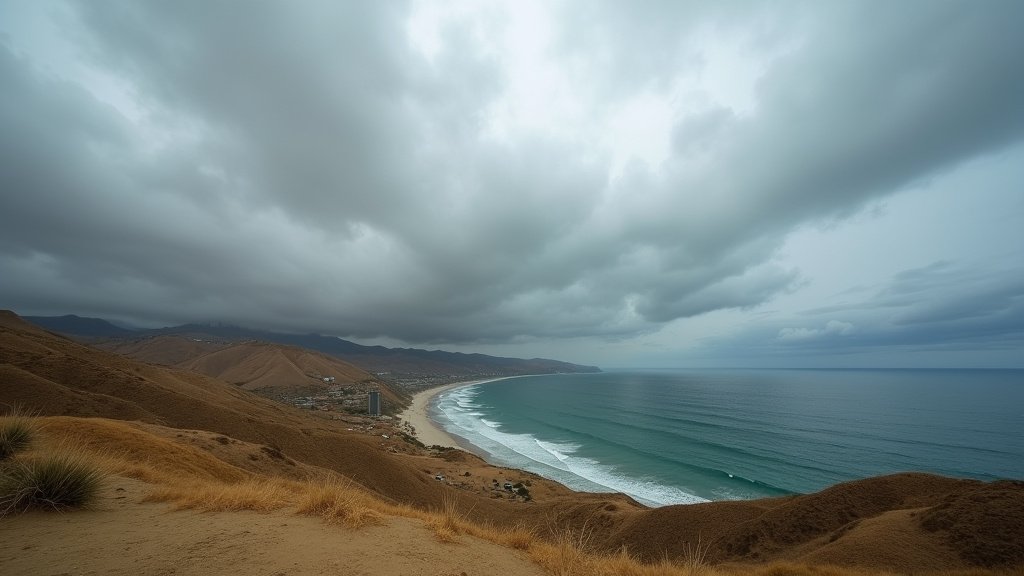
A significant California winter storm has prompted Governor Gavin Newsom to declare a state of emergency. The declaration, issued on December 24, 2025, specifically addresses the severe impacts the storm is having across Southern California. This powerful California winter storm has led to emergency measures in six key counties: Los Angeles, Orange, Riverside, San Bernardino, San Diego, and Shasta counties. Los Angeles Mayor Karen Bass followed suit, declaring a local emergency to ensure the city has adequate resources to manage the crisis. This holiday weather event, predicted to be one of the most intense Christmas storms in years, has caused considerable concern for residents.
Understanding the California Winter Storm’s Onslaught
The severity of this California winter storm is attributed to a series of atmospheric rivers delivering exceptionally high-intensity rainfall statewide. With soils already saturated from previous precipitation, the risk of hazards has been dramatically amplified. Excessive rainfall rates, with some areas experiencing over an inch per hour, are a major concern. Coastal and valley regions are expected to receive 3 to 6 inches of rain, while foothills and mountains could see 5 to 11 inches, with some mountain locations already surpassing 11 inches by Wednesday night. Accompanying the intense rain are strong winds, with gusts exceeding 60 mph reported in numerous locations, adding to the winter storm impact.
Official Declarations for the California Winter Storm
Governor Newsom’s declaration of a state of emergency is a critical step in mobilizing state resources to address the California winter storm. This proclamation enables the rapid deployment of aid and activates emergency authorities under the California Disaster Assistance Act. State agencies have been directed to pre-deploy resources, including 55 fire engines and 10 swiftwater rescue teams, with hundreds of personnel positioned statewide. Caltrans is authorized to seek federal aid for necessary repairs. Echoing the state’s response, Los Angeles Mayor Karen Bass declared a local emergency, ensuring city teams are equipped to handle the situation, and the county Board of Supervisors also issued a local emergency declaration.
Devastating Winter Storm Impact Emerges
Widespread flash flood warnings are in effect as urban flooding has rendered many roads and freeways impassable. Several major roadways, including parts of Malibu Canyon Road, Tuna Canyon Road, and Angeles Crest Highway, have been closed due to flooding. Rivers and creeks are rising rapidly, prompting the National Weather Service (NWS) to issue a rare High Risk warning for excessive rainfall through Thursday morning, warning of life-threatening conditions. The risk of dangerous rock and mudslides is significantly heightened, particularly in recent burn scar areas stripped of vegetation by wildfires. These mudslides California presents a severe danger to affected communities.
Evacuations and Power Outages from the California Winter Storm
Evacuation orders and warnings have been issued for communities near recent burn scar areas, including those affected by the Palisades and Eaton fires, as well as San Bernardino County mountain communities. Approximately 380 vulnerable homes in Los Angeles County have received direct evacuation orders. The California winter storm has also led to widespread power disruptions. Downed lines due to high winds have caused significant outages, with the Los Angeles Department of Water and Power (LADWP) and Southern California Edison reporting thousands of customers without electricity. At one point, over 100,000 homes and businesses across the state experienced power outages.
Warnings and Preparedness for the California Winter Storm
The NWS has maintained a High Risk designation for excessive rainfall across much of Southern California, including the Los Angeles metropolitan area. Forecasters are emphasizing the extreme danger of flash flooding and the potential for conditions to worsen. Residents are strongly advised to avoid unnecessary travel. NWS warnings highlight the pervasive threat of widespread flooding and the increased risk of dangerous rock and mudslides. State agencies have pre-positioned critical emergency response resources to ensure immediate support for local governments. Californians are urged to stay informed, follow official guidance, and crucially, avoid flooded roadways, as this winter storm impact is causing significant disruption during a popular travel period.