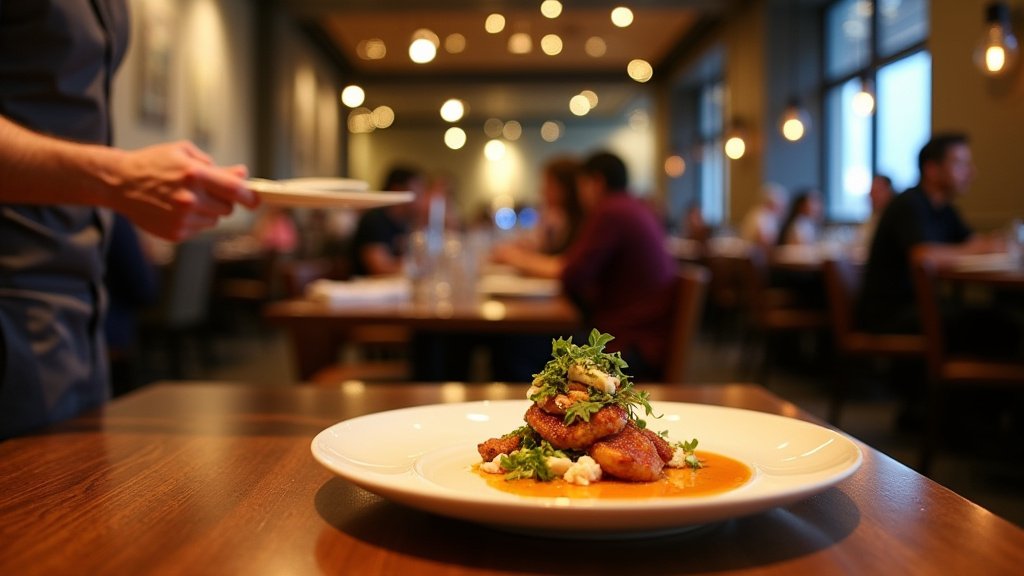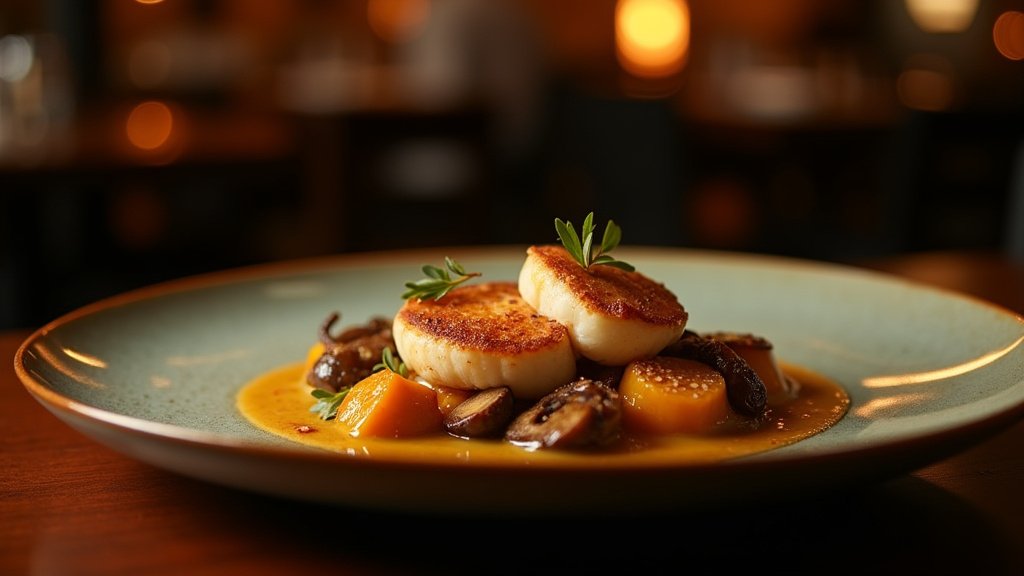
The culinary rhythm of Los Angeles is undergoing a distinct transformation this autumn, characterized by an intriguing blend of maximalist indulgence and a strategic return to comfort-driven, approachable gastronomy. While social media feeds are dominated by headline-grabbing, high-ticket items like the $365 steak boards currently making waves in the city’s top-tier establishments, a quieter, more significant evolution is occurring in kitchens across the city—most notably at the widely-regarded Saltie Girl LA.
The Rise of the ‘Experience’ Economy
The appearance of the $365 steak board on Los Angeles menus is not merely a pricing outlier; it is a symptom of the ‘experience economy’ that has come to dominate the post-pandemic dining scene. In a city where competition for the affluent diner is fierce, restaurants are increasingly utilizing ‘anchor items’—massive, sharable, and highly photogenic dishes—to command attention. These boards, often featuring premium cuts of Wagyu or dry-aged prime beef accompanied by elaborate sides, serve two purposes: they provide a justifiable per-person cost for large groups, and they offer a visual spectacle that thrives in the current algorithmic social media environment. Analysts of the hospitality sector note that this trend shifts the dining focus from ‘sustenance’ to ‘event,’ where the meal itself is the main attraction, much like a concert or a theatre production.
The Saltie Girl Pivot: A Shift Toward Refined Comfort
While the headline-grabbing steak boards demand attention, the sustainable success of Los Angeles restaurants often lies in their ability to adapt to seasonal shifts. Saltie Girl LA is currently leading a pivot toward ‘sophisticated comfort,’ a culinary philosophy that aligns perfectly with the cooling temperatures of an LA fall.
Management and kitchen teams at Saltie Girl are actively rolling out a new menu that emphasizes depth of flavor over sheer size. The focus has moved toward elevated preparations of classic comfort staples—think rich, brothy soups, robust grain bowls, and slow-cooked seafood preparations that highlight the local seasonal catch. This move is calculated to satisfy the diner’s desire for warmth and satiety as the year winds down. Furthermore, the restaurant has begun intensive preparation for a holiday dessert launch. By focusing on labor-intensive, pastry-forward items, the establishment is positioning itself as a destination for holiday gatherings, banking on the idea that diners are currently seeking ‘home-style’ luxury rather than just experimental concepts.
Economic Drivers and the ‘Autumn Menu’ Strategy
The decision by establishments to change their menus in autumn is driven by more than just tradition. It is a necessary economic maneuver. In Southern California, the fall harvest offers a specific bounty—squash, mushrooms, late-season stone fruits, and root vegetables—that are often more cost-effective to source locally than the exotic, out-of-season produce required for summer-centric dishes. By leveraging these seasonal ingredients, restaurants like Saltie Girl are able to manage food costs while maintaining high-quality outputs.
This trend also mirrors a broader shift in consumer confidence. While consumers are willing to spend heavily on ‘event’ meals, they are simultaneously becoming more selective about their day-to-day dining. The ‘middle’ is being squeezed, forcing restaurants to choose between being a ‘special occasion’ destination—hence the $365 steak board—or a ‘comfort staple’ that offers high value and consistency, such as the new Saltie Girl autumn menu. The restaurants that succeed in the coming months will likely be those that can master both ends of this spectrum.
The Future of LA Gastronomy
Looking ahead to the remainder of the year, the dichotomy between luxury and comfort will likely widen. We can expect to see further ‘event’ dishes emerge as restaurants jockey for holiday bookings, while neighborhood spots will continue to refine their menus to emphasize seasonality. This ‘bifurcation of the menu’ is a sign of a mature, sophisticated dining scene that recognizes that the modern diner is not a monolith. Sometimes they want the spectacle of a $365 shared entrée; other times, they want the quiet, sophisticated comfort of a carefully crafted seasonal dish. As we move deeper into the fall, the winners in this space will be those who can accurately read the mood of the city—balancing the hype with the heart.
FAQ: People Also Ask
Q: Why are ‘shareable’ luxury boards, like the $365 steak board, becoming so popular in LA?
A: These items are designed for social engagement and group dining. They offer a ‘centerpiece’ experience that justifies high-end price points, while simultaneously acting as high-visibility marketing tools on social media platforms.
Q: What is the primary focus of the new menu at Saltie Girl LA?
A: The focus is on ‘sophisticated comfort.’ This includes transitioning the menu to feature warmer, heartier dishes that utilize seasonal fall ingredients, moving away from lighter, summer-leaning profiles.
Q: Is the shift to fall menus purely about taste?
A: No. While flavor is paramount, the shift is also driven by supply chain economics. Using peak-season fall produce in California is more sustainable and cost-effective than relying on out-of-season summer inventory, allowing restaurants to maintain profit margins without sacrificing quality.
Q: When is the best time to visit LA restaurants to experience these fall menus?
A: October and November are the peak window. Restaurants typically roll out their full fall/winter programs by mid-October, and holiday-specific menus, including the upcoming dessert launches at Saltie Girl, usually debut in early November.