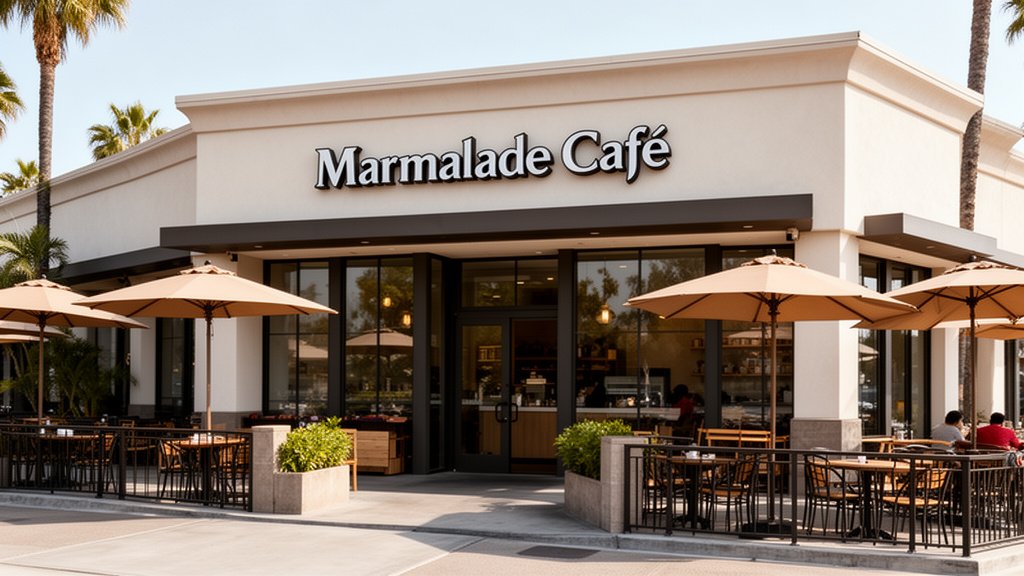
Marmalade Cafe, a quintessential fixture of the Southern California restaurant landscape known for its cozy, upscale-casual dining experience, has officially filed for Chapter 11 bankruptcy protection. This strategic financial maneuver marks a pivotal moment for the brand, which has served patrons in communities across Los Angeles and beyond for decades. The filing serves as a stark reminder of the persistent, high-pressure economic environment currently facing regional restaurant operators in one of the most competitive culinary markets in the United States.
Key Highlights
- Chapter 11 Reorganization: Marmalade Cafe has filed for Chapter 11, which allows the business to continue daily operations while restructuring its debts under court supervision.
- Financial Scope: Court documents indicate the restaurant group is managing significant liabilities, underscoring the broader struggle of post-pandemic recovery.
- Operational Continuity: Despite the legal filing, management intends to keep locations operational, prioritizing service for long-time customers while negotiating with creditors.
- Industry Climate: The filing reflects a wider trend of Southern California eateries grappling with rising labor costs, increased commercial rents, and shifting consumer spending habits.
Navigating the Financial Shift: A Path to Restructuring
The decision to file for Chapter 11 bankruptcy is rarely taken lightly by established hospitality groups. For Marmalade Cafe, an entity that has cultivated a loyal following since its inception in Santa Monica in 1990, the move is a deliberate attempt to gain the necessary “breathing room” to reorganize its capital structure. Unlike Chapter 7, which dictates liquidation, Chapter 11 functions as a legal mechanism that allows the restaurant chain to maintain its current footprint—or potentially trim underperforming assets—while formulating a plan to repay creditors and stabilize cash flow.
The Anatomy of the Financial Strain
Several converging factors have pressured independent and regional restaurant chains in California. The state’s unique regulatory environment, characterized by stringent labor laws and mandatory wage increases, creates a challenging overhead floor that many mid-sized operators struggle to absorb. When combined with the inflationary pressures of rising food costs and commercial real estate rent hikes that have outpaced revenue growth in some sub-markets, the margin for error has vanished.
Observers of the hospitality sector note that the “upscale-casual” segment is particularly vulnerable. These establishments often bear the high costs of premium sourcing and skilled staffing but lack the extreme volume capacity of fast-casual giants or the pricing power of ultra-luxury dining. Consequently, when discretionary spending among middle-income diners fluctuates, the business model faces an immediate liquidity crunch.
Impact on the Customer Experience
For the average patron, the immediate question is whether the quality and availability of their favorite menu items will change. In typical Chapter 11 scenarios, the goal is business as usual. The management team at Marmalade Cafe will focus on streamlining supply chain contracts and renegotiating lease agreements with commercial landlords. If these negotiations prove successful, customers may see minimal disruption to the dining room experience. However, the brand may also be forced to close the least profitable locations to consolidate resources, a common step in the court-supervised restructuring process.
The Broader Economic Context
This filing does not occur in a vacuum. It represents a broader cautionary tale for the Southern California restaurant scene. Many legacy brands, which weathered the immense shocks of the 2020-2021 pandemic lockdowns, are now discovering that the “recovery phase” is far more complex than anticipated. As federal support programs have concluded and interest rates remain elevated, the cost of servicing existing debt has ballooned. Marmalade Cafe is effectively testing a survival strategy that other regional players may soon be forced to emulate as they navigate a landscape that demands extreme fiscal agility.
FAQ: People Also Ask
Will Marmalade Cafe locations close during this process?
The goal of a Chapter 11 filing is to keep the business operational. While management may decide to close or renegotiate leases for specific underperforming locations as part of the restructuring, the primary objective is to maintain daily service for the majority of the chain.
Are gift cards still valid?
Generally, in Chapter 11 bankruptcy proceedings, existing obligations—including gift cards and loyalty points—remain honored unless a court specifically allows for their suspension. However, customers are advised to use them in the near term as a precaution.
Why do restaurants file for Chapter 11 instead of just closing?
Filing for Chapter 11 is an active, strategic choice to preserve the brand’s value and save jobs. It stops creditors from seizing assets and allows the company to “right-size” its financial obligations, potentially saving the company from total dissolution.