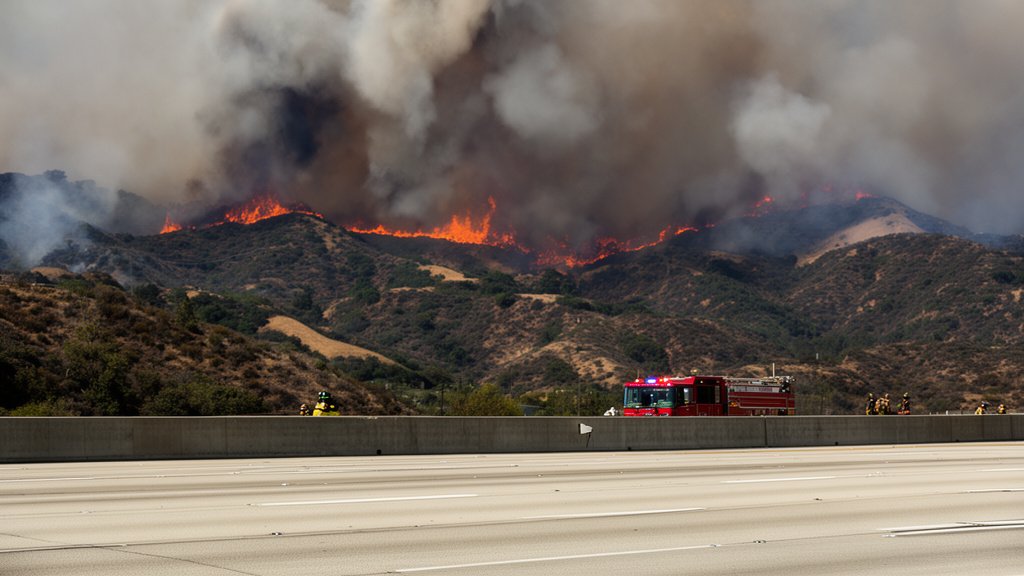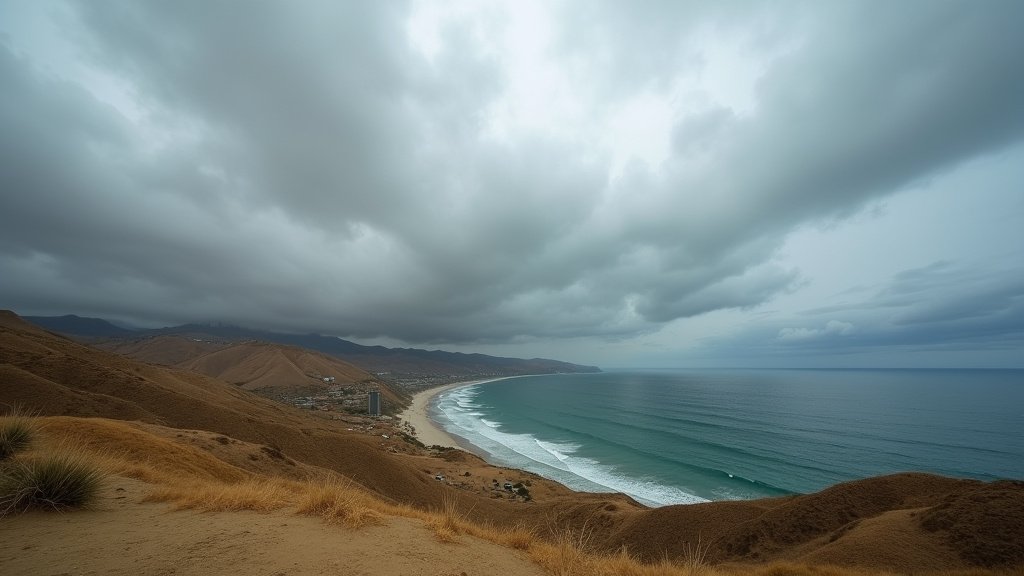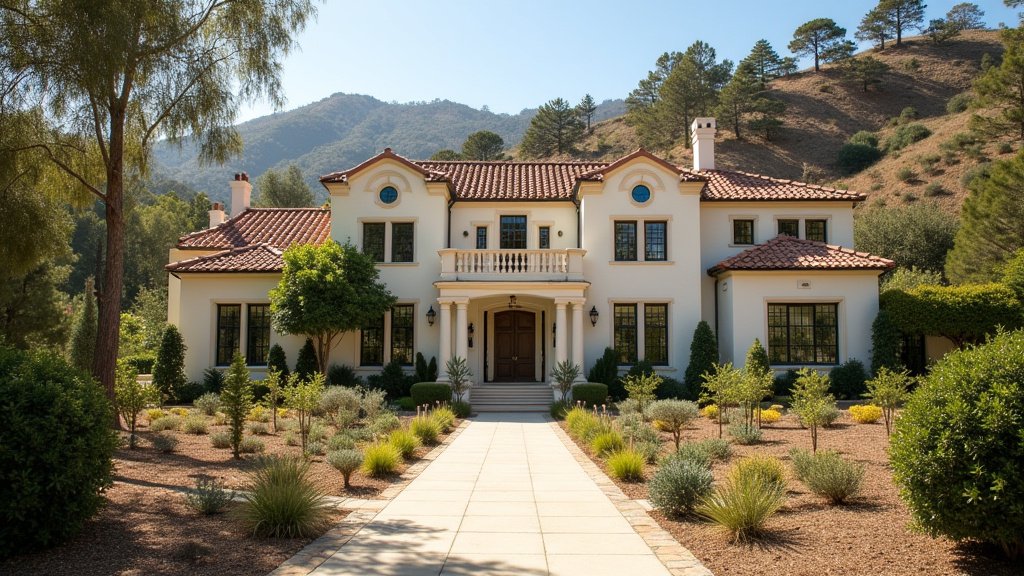
The Villa Aurora in Pacific Palisades, a legendary hillside estate that once served as a vital sanctuary for German intellectuals and artists fleeing the Nazi regime, has officially reopened its doors to the public. The milestone follows an intensive period of repairs and fire-mitigation enhancements, necessitated after the historic property narrowly escaped destruction during a recent wildfire event that threatened the canyon-side community. As a cornerstone of Southern California’s cultural heritage, the villa’s return marks a significant moment for both architectural preservation and the continued legacy of the ‘Weimar on the Pacific.’
The ‘Weimar on the Pacific’ Legacy
Villa Aurora was not merely a house; it was a fortress of intellect. Owned by the prolific German-Jewish author Lion Feuchtwanger and his wife, Marta, the villa became a focal point for exiled European luminaries. In the 1930s and 1940s, as the shadow of the Third Reich stretched across Europe, the Feuchtwangers transformed their Pacific Palisades home into a salon. Figures such as Bertolt Brecht, Thomas Mann, and Arnold Schoenberg found refuge, camaraderie, and a space to continue their work far from the reach of the Gestapo. This intellectual migration fundamentally altered the cultural landscape of Los Angeles, infusing the region with European modernism, political philosophy, and avant-garde art.
Today, the site is managed by the Villa Aurora & Thomas Mann House e. V., an organization dedicated to upholding the values of trans-Atlantic dialogue. The villa continues to host resident artists from Germany, serving as a living link between the past’s tragic displacements and the present’s artistic output.
Confronting Climate Realities
The recent wildfire event that necessitated the closure served as a stark reminder of the vulnerability of Southern California’s historic landmarks to climate change. As droughts intensify and wildfire seasons lengthen, heritage sites in the Pacific Palisades canyon areas face increased risk. The repairs undertaken during the closure were not strictly cosmetic; they included critical fire-hardening infrastructure, the clearing of flammable brush, and the installation of advanced fire suppression systems designed to protect the structural integrity of the 1920s architecture.
Restoration experts had to balance the delicate requirements of maintaining the historic aesthetic—characterized by its Mediterranean revival style and sweeping ocean views—with the modern demands of wildfire-resilient engineering. This balance is critical for the survival of Los Angeles’ architectural treasures, many of which are located in high-fire-severity zones. The success of the Villa Aurora project provides a potential template for other historic estates in the region looking to fortify their defenses against an evolving environmental threat.
The Intersection of History and Modern Arts
The reopening program includes a curated series of exhibitions and lectures that grapple with the themes of exile, resilience, and the role of the artist in times of crisis. By reconnecting with the community, the Villa Aurora aims to do more than preserve the past; it seeks to catalyze new conversations. The current exhibition features contemporary artists whose work mirrors the experiences of displacement, reflecting the historical mission that the Feuchtwangers championed nearly a century ago. This intentional programming bridges the gap between historical memorialization and current socio-political discourse.
Secondary Angles: Examining the Preservation Landscape
1. The Economics of Cultural Resilience: Beyond the cultural value, the preservation of Villa Aurora represents a significant economic interest for the Pacific Palisades area. Historic tourism and the maintenance of landmarked properties sustain local heritage sectors. The investment in wildfire-proofing ensures that these assets remain insurable and viable, protecting the real estate value of the surrounding canyon communities.
2. Technological Integration in Preservation: The restoration project utilized advanced mapping and material analysis to ensure that fire-proofing measures did not degrade the historic fabric of the building. This exploration into non-invasive fire mitigation is a growing field in structural engineering, offering a blueprint for owners of historic homes across the American West.
3. Exile Studies as a Modern Tool: The revival of interest in the ‘exile’ narrative—specifically the mass movement of European intellectuals—has gained renewed academic attention. As global migration patterns shift, the Villa Aurora’s archives provide a relevant study on how displaced communities can effectively transplant their intellectual capital to new soil, a lesson as relevant today as it was in 1940.
FAQ: People Also Ask
Was Villa Aurora damaged by fire during the incident?
No, the villa did not sustain direct fire damage. The closure was mandated to facilitate extensive safety upgrades and repairs following the near-miss to ensure the property could withstand future fire threats.
Who owns Villa Aurora today?
The property is managed by the Villa Aurora & Thomas Mann House e. V., a non-profit organization funded primarily by the German Federal Foreign Office. It operates as a residency for artists and a site for cultural dialogue.
Is the Villa open to the public?
Yes, the villa is open for scheduled tours and special events. Visitors are encouraged to check the official Villa Aurora & Thomas Mann House website for specific booking requirements and hours of operation.
Why is it called ‘Weimar on the Pacific’?
The term refers to the influx of German-speaking intellectuals—many from the Weimar Republic era—to the Los Angeles area during the 1930s. Pacific Palisades became a hub for this community, effectively creating a ‘second Weimar’ through the concentration of writers, composers, and artists in the neighborhood.