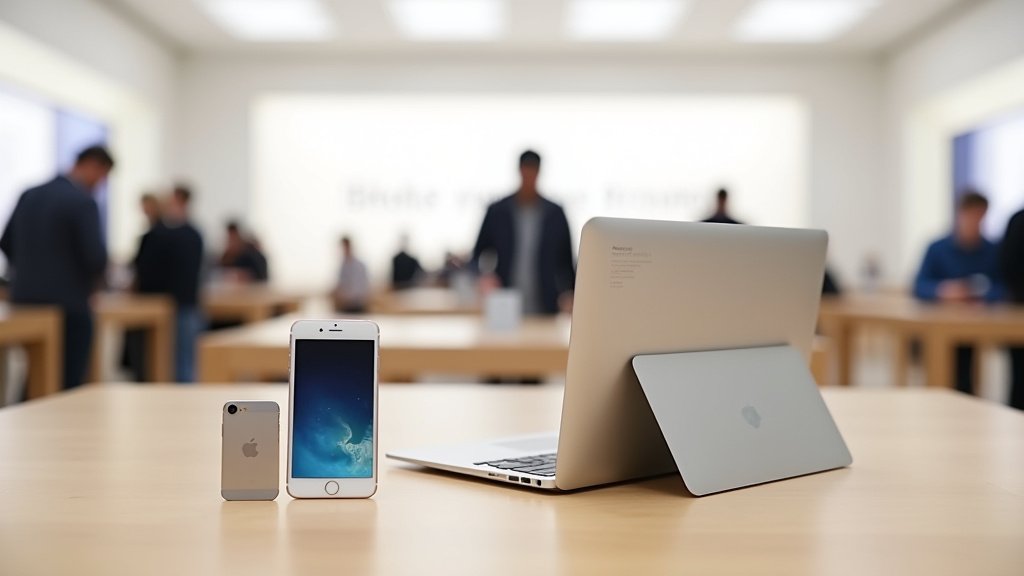
Apple has officially launched “Apple Upgrade,” a streamlined hardware leasing program in the United States managed through fintech leader Klarna. This strategic shift replaces previous installment payment models, marking a major transition in how consumers access iPhones, Apple Watches, Macs, and iPads. By pivoting the financial infrastructure to Klarna, Apple aims to modernize the credit approval process and offer a more integrated, subscription-style experience for its hardware ecosystem.
Key Highlights
- Klarna Integration: The entire leasing architecture is now powered by the Klarna platform, replacing legacy banking partnerships.
- Broad Device Coverage: The program extends beyond mobile devices to cover the entire spectrum of Apple’s personal computing hardware, including Macs and iPads.
- Simplified Financial Model: This new model supersedes older payment structures, centralizing user financial management under the unified Apple Upgrade banner.
Transforming the Hardware Ecosystem
The introduction of “Apple Upgrade” via Klarna represents more than just a change in service providers; it is a fundamental shift in Apple’s approach to the “Hardware as a Service” (HaaS) model. For years, Apple relied on traditional banking partnerships—most notably the Citizens One program—to facilitate monthly payments for its devices. While functional, that legacy system often involved separate credit applications and distinct, sometimes fragmented, management portals.
By migrating to Klarna, a company synonymous with modern Buy Now, Pay Later (BNPL) technology, Apple is significantly reducing the friction involved in high-ticket tech purchases. The integration allows for a seamless application process that leverages Klarna’s proprietary underwriting technology, which often provides faster decisions and a more user-friendly interface compared to traditional bank-led credit checks. This is a critical development for Apple, as it lowers the barrier to entry for consumers looking to upgrade to the latest, often more expensive, hardware iterations.
The Shift Toward Subscription-Style Purchasing
The move is clearly aimed at accelerating the transition of Apple’s user base toward a subscription-like consumption model. By bundling various hardware categories—iPhones, Apple Watches, Macs, and iPads—into one cohesive leasing program, Apple ensures that consumers are locked into the ecosystem longer. The psychology of this model is powerful: instead of viewing a MacBook or an iPhone as a one-time, lump-sum purchase, the consumer views it as a monthly service expense, similar to iCloud or Apple Music.
This strategy is economically prudent for Apple. By ensuring that a high percentage of users are on a recurring upgrade cycle, the company can better forecast revenue and inventory demands. Furthermore, it creates a recurring “refresh” point for users, who are more likely to stay within the Apple ecosystem when the process of upgrading to new hardware is digitized, simplified, and financed through a trusted partner.
Fintech Dynamics and Consumer Impact
The partnership with Klarna is also a testament to the changing tides in consumer finance. Traditional banks have struggled to match the speed and UX-centric approach of fintech giants. For the end user, this means the Apple Upgrade program will likely be managed entirely through the Apple ecosystem, with Klarna serving as the invisible backend engine. This invisibility is the “holy grail” of fintech partnerships: the consumer interacts with the brand (Apple) while the heavy lifting of credit risk, payment processing, and regulatory compliance is handled by the specialized partner (Klarna).
However, this shift also invites scrutiny regarding debt accumulation. While the program makes “upgrading” easier, it also encourages consumers to commit to long-term monthly payments for depreciating assets. Analysts suggest that while this will undoubtedly boost short-term sales velocity for Apple, the long-term impact on consumer debt-to-income ratios—particularly in a fluctuating economy—remains a factor for financial regulators to monitor.
Strategic Implications for Apple’s Services Division
It is impossible to ignore the “Apple Upgrade” launch without considering the broader “Services” goal of the company. With hardware sales reaching market saturation in some demographics, growth must come from maximizing the lifetime value of every customer. By controlling the financing of the hardware, Apple essentially gains a new touchpoint for cross-selling its other services. Expect to see deeper integration of Apple One bundles within the Apple Upgrade leasing experience in the near future. The goal is to move the user from just owning an iPhone to living within the full, vertically integrated Apple suite of products and services.
FAQ: People Also Ask
Q: How does Apple Upgrade differ from the old Citizens One program?
A: The primary difference lies in the backend provider. Apple Upgrade is managed through Klarna, utilizing modern fintech underwriting for potentially faster, more streamlined approvals compared to the traditional banking infrastructure of the previous program.
Q: What devices are covered under the new program?
A: The program is comprehensive, covering Apple’s core personal computing and mobile lineup, specifically iPhones, Apple Watches, Macs, and iPads.
Q: Will this affect my credit score?
A: As with any financing agreement, Klarna will conduct credit checks as part of the application process. Users should consult the specific terms and conditions provided at checkout regarding reporting and hard/soft inquiries.
Q: Is Apple Upgrade a subscription or a loan?
A: It functions as a hardware leasing/financing program. You are making monthly payments to finance the device, with the option to upgrade to new hardware after a certain period, effectively mirroring a subscription model for hardware ownership.