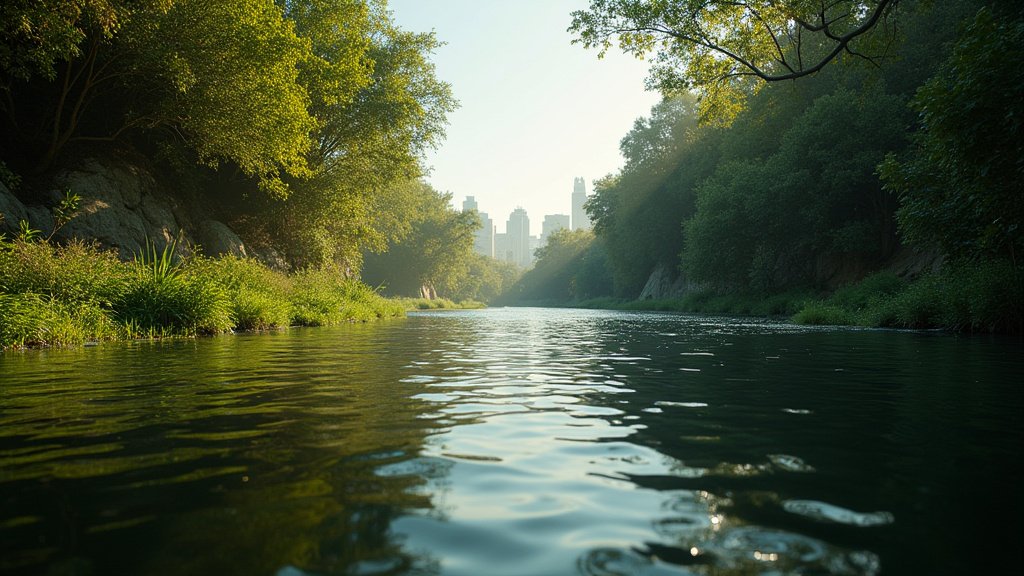
Musicians, including renowned cellist Yo-Yo Ma, have begun using the revitalized L.A. River as a unique stage, performing in natural settings to draw attention to the waterway’s beauty and ecological potential. These events, ranging from classical recitals to underground electronic music sets, are part of a broader movement to highlight the river’s transformation from a concrete channel to a vibrant urban ecosystem. While these artistic interventions and the concurrent public works projects aim to enhance the river’s accessibility and ecological health, they also raise significant concerns about ‘green gentrification’ – the potential for environmental improvements to inadvertently displace existing low-income communities and alter neighborhood character.
Key Highlights:
- The L.A. River is increasingly becoming a venue for musical performances, spotlighting its natural beauty and ecological restoration efforts.
- Events feature diverse genres, from classical music with artists like Yo-Yo Ma to electronic dance music.
- Revitalization projects include new parks and habitat enhancements along the river.
- Significant concerns exist regarding ‘green gentrification,’ potentially leading to community displacement.
- A tension persists between ecological progress and social equity in the river’s development.
L.A. River’s Artistic Renaissance and Social Undercurrents
The L.A. River, once a symbol of urban control over nature, is now echoing with the sounds of music and the promise of ecological recovery. This transformation is not merely infrastructural; it’s cultural. Artists and musicians are embracing the riverbanks as a new frontier for expression, staging impromptu concerts and performances that celebrate the waterway’s renewed natural aspects. These events serve a dual purpose: fostering a deeper appreciation for the revitalized river corridor and drawing attention to the ongoing efforts to restore its ecological functions and public accessibility. The presence of prominent figures like Yo-Yo Ma underscores the cultural significance being attributed to these revitalization efforts, turning the river into a symbol of hope and natural beauty within the sprawling urban landscape.
The Sound of Revitalization
From the sophisticated melodies of classical ensembles performing amidst burgeoning green spaces to the pulsating beats of EDM emanating from hidden riverfront spots, the L.A. River is becoming an unlikely yet vibrant stage. These musical gatherings are more than just entertainment; they are a powerful statement about the river’s evolving identity. They highlight the success of numerous projects aimed at transforming the concrete-lined flood control channel into a more naturalized and accessible waterway. Plans for new parks, improved wildlife habitats, and recreational pathways are all part of a comprehensive strategy to reintegrate the river into the fabric of the city. The aim is to create a green lung for Los Angeles, offering much-needed natural respite and recreational opportunities for its residents.
Echoes of Gentrification
However, this wave of revitalization and cultural spotlighting is not without its shadows. The very improvements that make the L.A. River more appealing – its enhanced natural beauty, new recreational facilities, and artistic vibrancy – also contribute to rising property values and increased desirability of adjacent neighborhoods. This phenomenon, often termed ‘green gentrification,’ poses a significant threat to the established communities, many of which are historically low-income and diverse. As the area becomes more attractive to wealthier residents and developers, long-term residents risk being priced out, losing their homes and their connection to the community they helped build. The tension between the undeniable benefits of ecological restoration and urban renewal, and the potential for social displacement, forms a critical conflict at the heart of the L.A. River’s future.
Navigating the Future: Equity and Environment
The challenge for Los Angeles is to balance the ecological and aesthetic improvements along the L.A. River with the imperative of social equity. Ensuring that the benefits of revitalization are shared broadly, and that existing residents are not displaced, requires proactive planning and community engagement. Strategies such as affordable housing initiatives, rent stabilization, and inclusive development policies are crucial to mitigating the adverse effects of ‘green gentrification.’ The goal must be to create a river corridor that serves all Angelenos, fostering both environmental health and social justice, and ensuring that the artistic and natural renaissance of the L.A. River uplifts the entire community, rather than fracturing it.
FAQ: People Also Ask
What is ‘green gentrification’?
‘Green gentrification’ refers to the process where environmental improvements, such as the creation of parks, greenways, or ecological restoration projects, lead to increased property values and rents in the surrounding area, potentially displacing lower-income residents and long-term communities.
Who is performing along the L.A. River?
While the article specifically mentions Yo-Yo Ma, a variety of musicians are performing along the L.A. River, spanning genres from classical music to underground electronic dance music, as part of efforts to highlight its beauty and revitalization.
What are the revitalization efforts for the L.A. River?
Revitalization efforts include the creation of new parks, enhancement of wildlife habitats, and the development of recreational pathways along the L.A. River, transforming it from a concrete channel into a more natural and accessible urban ecosystem.
What are the concerns surrounding the L.A. River’s improvements?
The primary concern is ‘green gentrification,’ which involves the potential displacement of existing, often lower-income, communities due to rising property values and neighborhood desirability spurred by the river’s environmental and aesthetic enhancements.
How can Los Angeles address gentrification concerns?
Los Angeles can address these concerns by implementing policies focused on social equity, such as affordable housing initiatives, rent stabilization, inclusive community development, and robust public engagement to ensure that revitalization benefits are shared widely and do not lead to displacement.