U.S. Customs and Border Protection (CBP) and other federal agencies have intercepted a large-scale alien smuggling operation approximately 30 miles off the coast of Miami, Florida. The operation, involving a fast-moving vessel, was brought to a halt by a coordinated interagency effort, resulting in the apprehension of multiple individuals.
Key Highlights:
- A significant alien smuggling attempt was thwarted near Miami.
- A fast-moving vessel was intercepted by law enforcement.
- Multiple individuals were taken into custody.
- The operation highlights ongoing efforts to secure maritime borders.
Interception at Sea
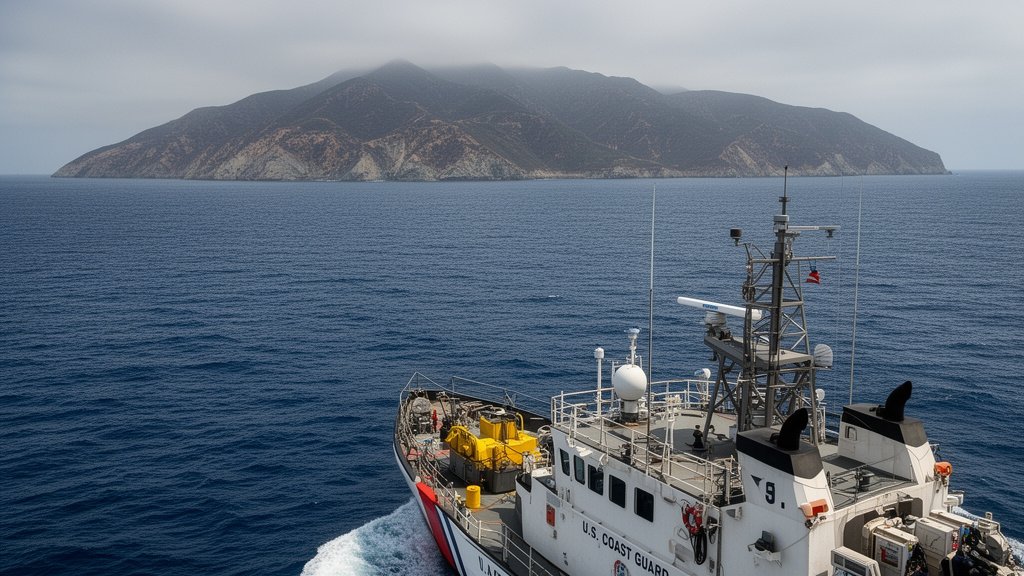
The early morning hours off the coast of Miami saw a critical interdiction by the Department of Homeland Security (DHS), successfully disrupting a sophisticated alien smuggling attempt. A CBP Air and Marine Operations (AMO) aircraft and a U.S. Coast Guard (USCG) cutter were instrumental in locating and intercepting a vessel suspected of carrying undocumented migrants. The vessel, reportedly moving at high speed, was identified as a threat, prompting a swift response from multiple federal agencies.
Coordinated Maritime Interdiction
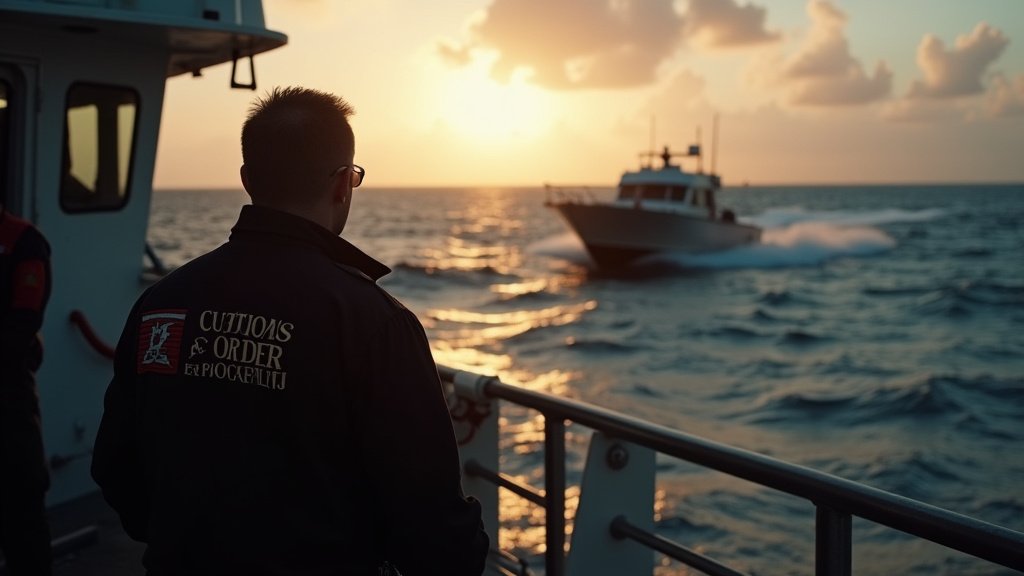
This successful operation underscores the complex and often dangerous nature of maritime smuggling routes. The interagency cooperation between CBP, USCG, and potentially other DHS components like Immigration and Customs Enforcement (ICE) is vital in such scenarios. These operations are not just about intercepting vessels but also about ensuring the safety of those on board, who are often subjected to perilous conditions by smugglers. The speed and evasive maneuvers of the smuggling vessel indicated a deliberate attempt to evade law enforcement, a common tactic employed by these criminal organizations.
The Human Element and Criminal Networks
Behind every intercepted vessel is a network of criminal actors exploiting vulnerable individuals seeking a better life. These smuggling operations are frequently controlled by transnational criminal organizations that profit from human misery. The individuals apprehended will likely face federal prosecution for smuggling offenses. For the migrants, the outcome can range from repatriation to being processed under immigration laws, depending on their circumstances and the policies in place.
Strategic Importance of Maritime Patrols
The waters off South Florida have long been a critical area for interdiction due to its proximity to the Caribbean and Latin America. Continuous aerial and surface patrols are essential for detecting and deterring illegal maritime activities. The technology employed, from advanced aircraft radar to high-endurance cutters, plays a crucial role in maintaining a vigilant watch over these vast expanses of ocean. The success of this operation is a testament to the ongoing commitment to border security, extending beyond physical land borders to include the maritime domain.
FAQ: People Also Ask
What federal agencies were involved in the operation?
Multiple Department of Homeland Security (DHS) agencies, including U.S. Customs and Border Protection (CBP) and likely U.S. Coast Guard (USCG), were involved in the interdiction.
Where did the interception take place?
The operation occurred approximately 30 miles off the coast of Miami, Florida.
What type of vessel was intercepted?
The vessel was described as moving at high speed, characteristic of smuggling operations attempting to evade detection.
What are the typical consequences for those involved in alien smuggling?
Individuals apprehended for alien smuggling can face federal charges, including significant prison sentences and substantial fines. Those being smuggled may be repatriated or processed under immigration law.
Why are maritime smuggling attempts common off the coast of Florida?
South Florida’s geographical location makes it a prime area for interdiction due to its proximity to Cuba, the Bahamas, and other Caribbean nations, as well as points further south in Latin America.